ایپلیکیشن سیاق و سباق ایک HTD پللی کے ارد گرد ڈیوٹی سائیکل، رسائی، ماحول، حفاظت اور خدمت کی ضروریات کی وضاحت میں مدد کرتا ہے۔ یہ ماڈل کی سطح کے تکنیکی ڈیٹا یا مشین ڈیزائنر کے ڈرائیو کیلکولیشن کو تبدیل نہیں کرتا ہے۔
چھ عملی مشین سیاق و سباق
ایک سیاق و سباق کھول کر دیکھیں کہ کون سی آپریٹنگ تفصیلات پللی RFQ کے ساتھ ہونی چاہئیں۔
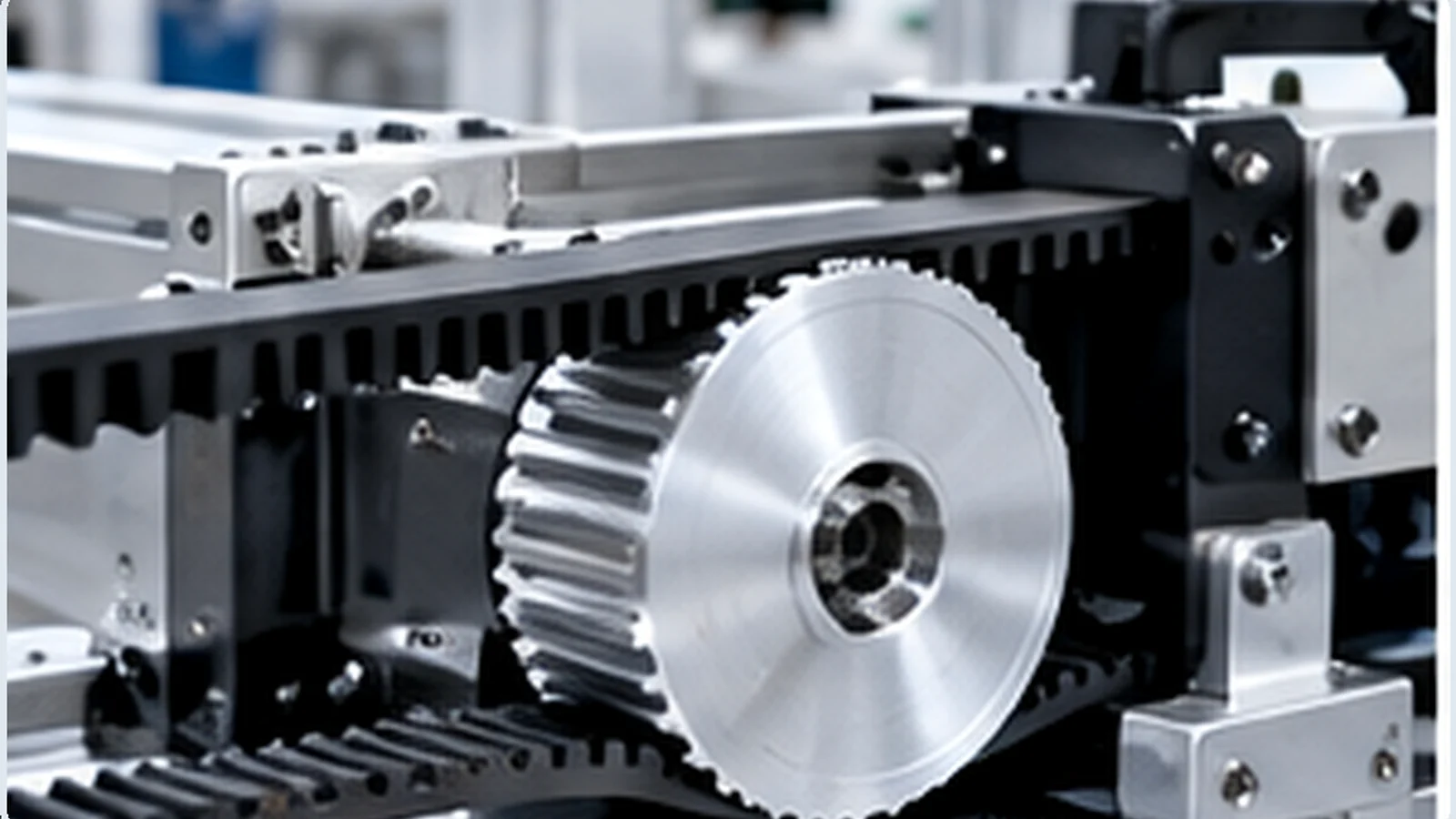 صنعتی آٹومیشن
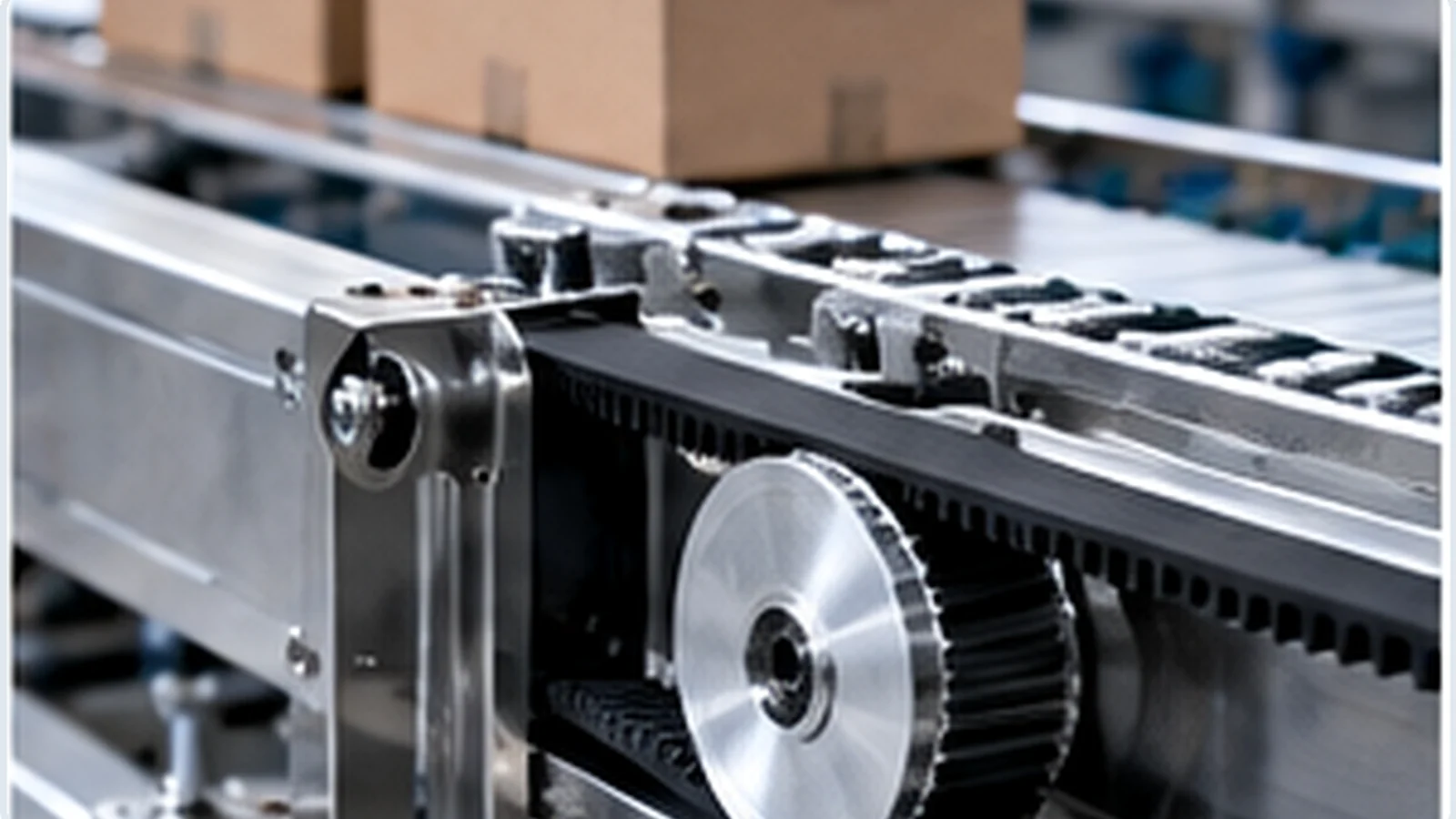 پیکیجنگ مشینری
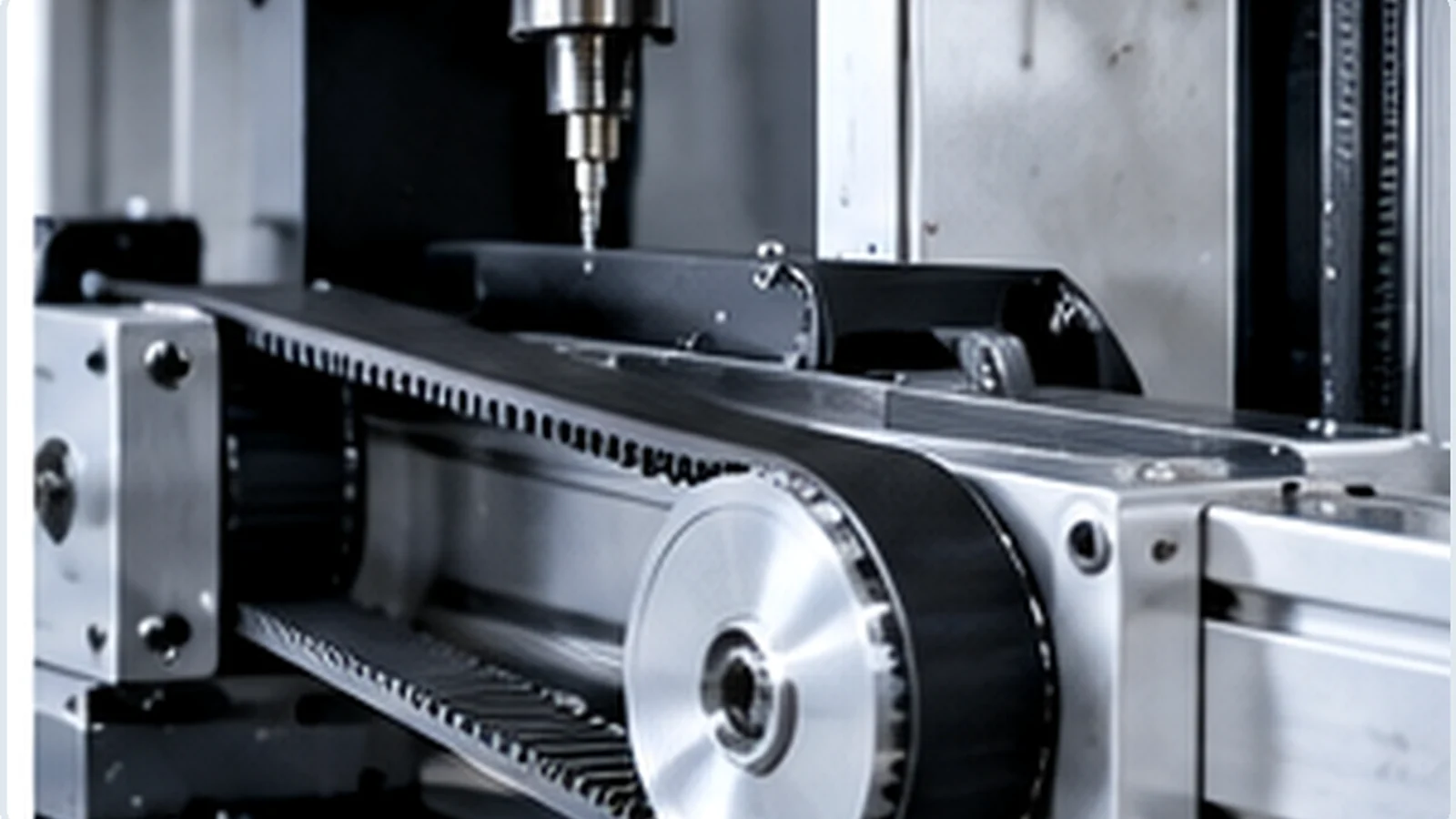 مشینی اوزار
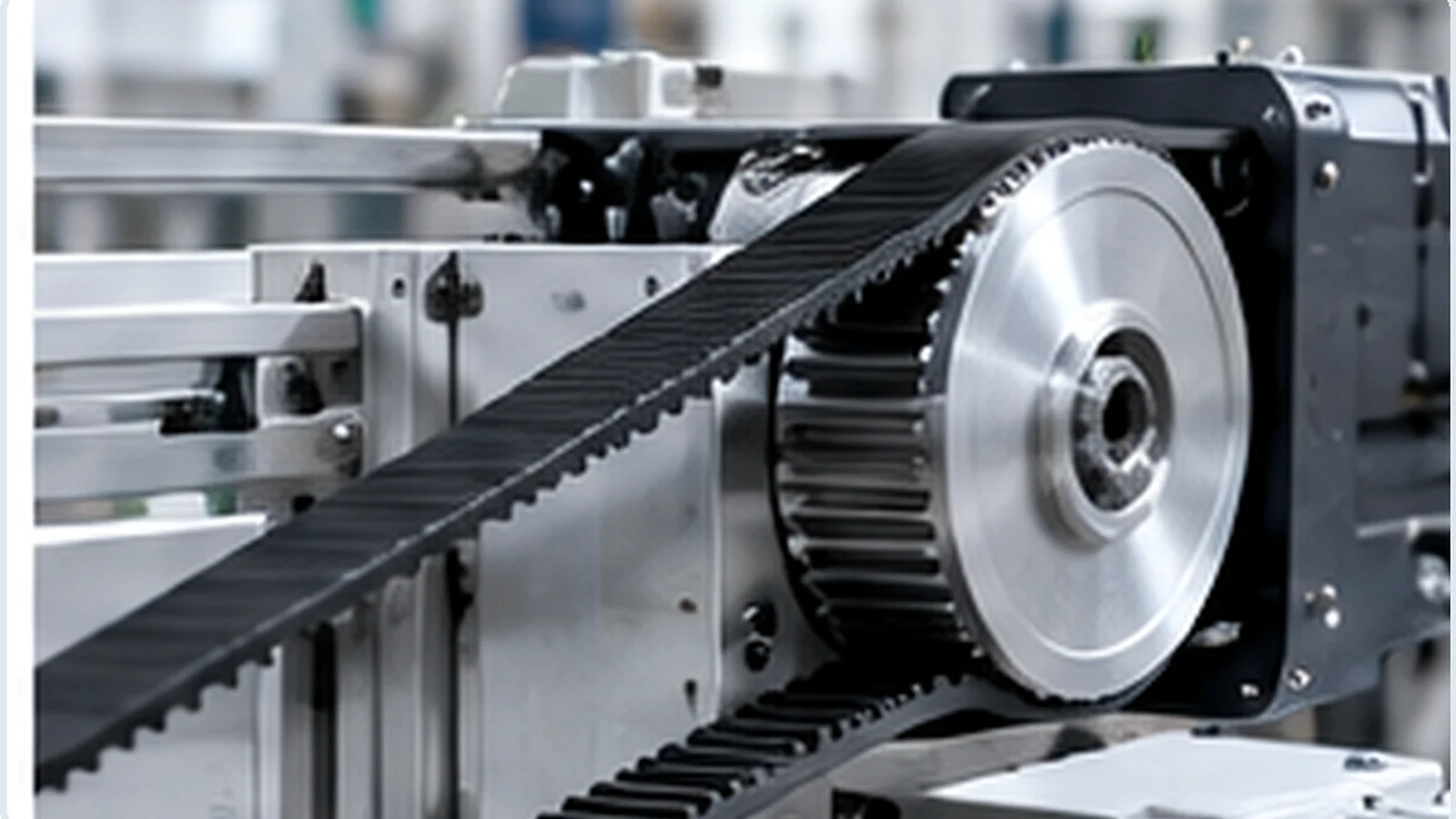 پہنچانے کا سامان
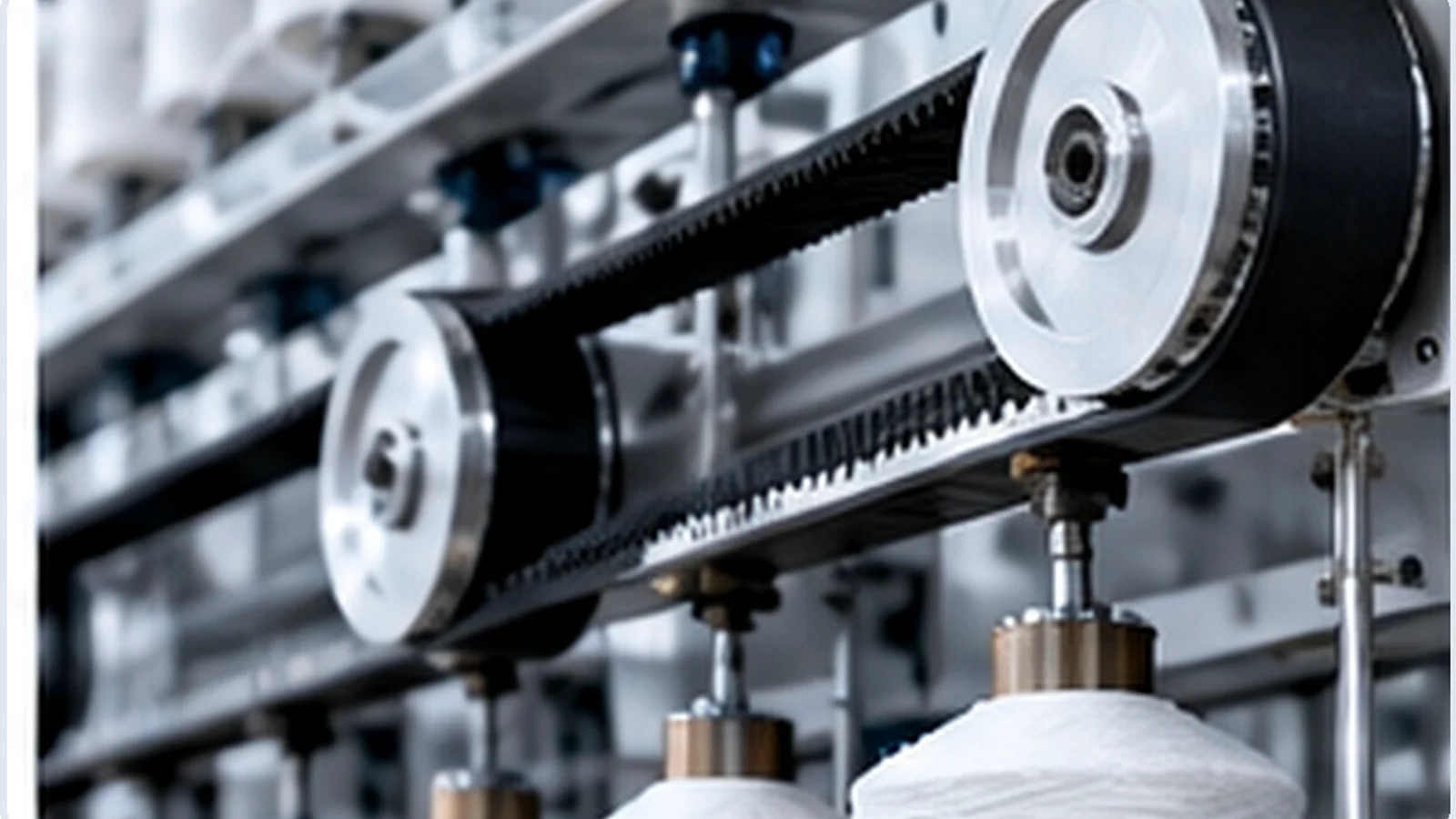 ٹیکسٹائل اور کاغذی مشینری
 پروسیسنگ مشینری
جدا کرنے سے پہلے انسٹال شدہ ڈرائیو پر قبضہ کریں۔
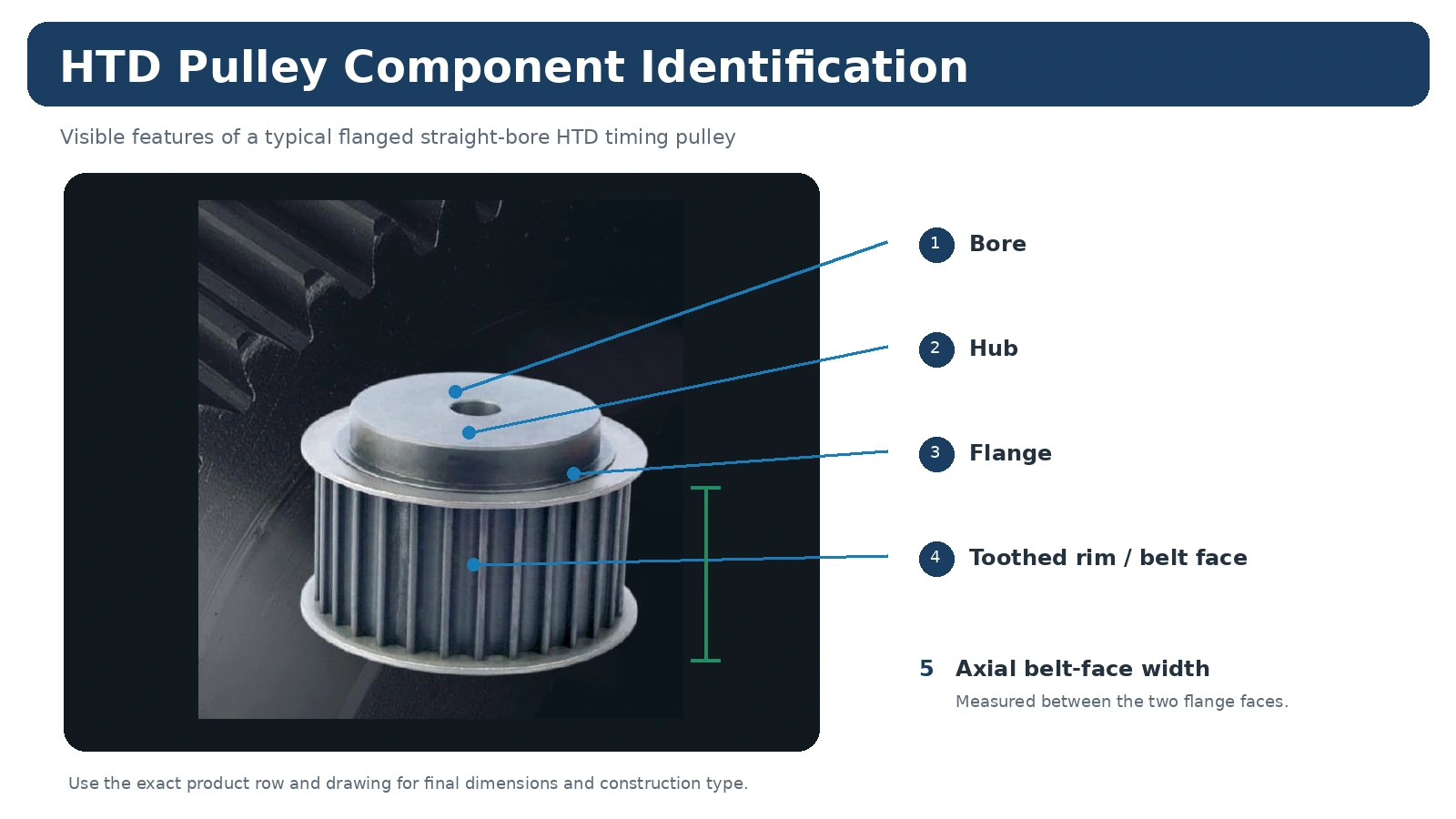
بیلٹ لائن، پللی چہروں، شافٹ اینڈ، گارڈ کلیئرنس اور ملحقہ بیرنگ کی تصویر کھینچیں جبکہ ڈرائیو ابھی بھی اسمبل ہے۔ بیلٹ مارکنگ اور دانتوں کی گنتی ریکارڈ کریں، پھر دونوں اطراف سے حب اور شافٹ انٹرفیس کی پیمائش کریں۔ یہ ایسی معلومات کو محفوظ رکھتا ہے جو بنچ پر ڈھیلے گھرنی سے دوبارہ تعمیر کرنا مشکل ہو سکتا ہے۔
اگر ناپی گئی قیمت پرانے خریداری کے ریکارڈ سے متصادم ہے، تو دونوں بھیجیں۔ ایک تکنیکی جائزہ انکوائری میں ایک غیر یقینی قدر کو مجبور کیے بغیر تضاد کو حل کر سکتا ہے۔
سپیڈ ریلیشن شپ، لوڈ اور انسٹالیشن لفافے سے شروع کریں۔
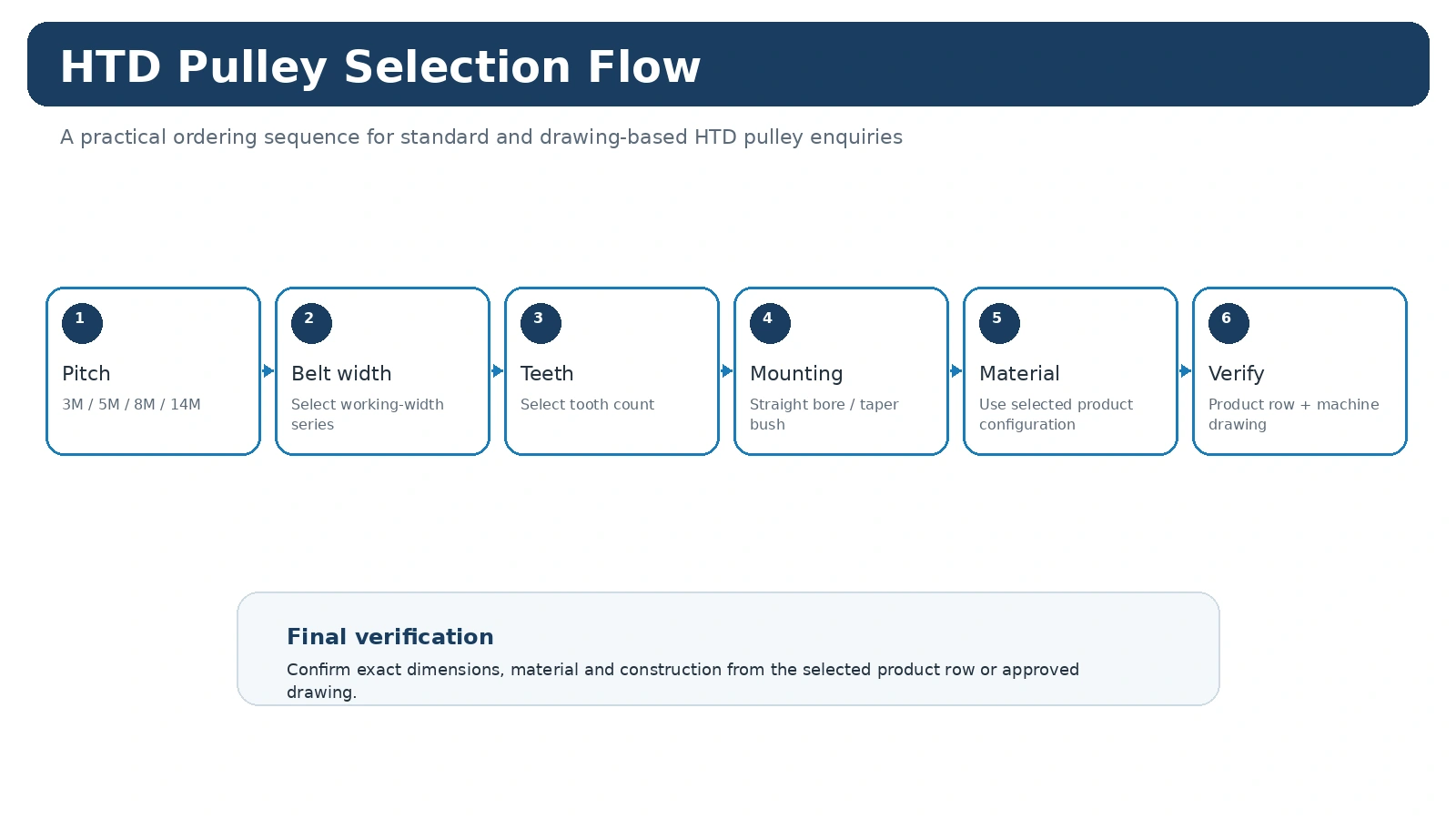
نئی مشین کے لیے، ڈرائیور کی رفتار، چلنے والی رفتار یا ہدف کا تناسب، طاقت یا ٹارک، مرکز کا فاصلہ، ڈیوٹی سائیکل اور متوقع آپریٹنگ ماحول فراہم کریں۔ شافٹ کے طول و عرض، دستیاب محوری جگہ اور سروس تک رسائی کی رکاوٹیں شامل کریں۔ یہ ان پٹ اس بات کا تعین کرنے میں مدد کرتے ہیں کہ آیا کیٹلاگ فیملی موزوں ہے یا اس پروجیکٹ کو ڈرائنگ کے زیر کنٹرول کنفیگریشن کی ضرورت ہے۔
ایپلیکیشن پیجز مشین کے حالات کا پللی ان پٹس میں ترجمہ کرتے ہیں۔
ایپلیکیشن سیاق و سباق اہم ہے کیونکہ ایک ہی HTD پچ بہت مختلف آپریٹنگ پیٹرن والی مشینوں میں ظاہر ہو سکتی ہے۔ ایک آٹومیشن محور انڈیکسنگ اور ایک کمپیکٹ لفافے کو ترجیح دے سکتا ہے۔ ایک کنویئر ڈیوٹی سائیکل، آلودگی اور سروس تک رسائی پر زیادہ زور دے سکتا ہے۔ مشین ٹول سے متعلق معاون ڈرائیو بیلٹ لائن کی سیدھ اور متبادل مرکز کے مقام کے لیے حساس ہو سکتی ہے۔ اس لیے درخواست کے صفحات ایک عالمگیر گھرنی کا سائز تجویز نہیں کرتے ہیں۔ وہ دکھاتے ہیں کہ تکنیکی انتخاب کے ساتھ کون سی مشین کی معلومات ہونی چاہیے۔
نئی ڈرائیو کے لیے، ڈرائیور اور چلنے والی رفتار یا مطلوبہ تناسب، ٹرانسمٹڈ پاور یا ٹارک، مرکز کا فاصلہ، آپریٹنگ اوقات، آغاز اور اسٹاپس، ماحول اور دستیاب شافٹ/گارڈ لفافہ ریکارڈ کریں۔ متبادل کام کے لیے، پہلے نصب شدہ بیلٹ مارکنگ اور پللی جیومیٹری کو کیپچر کریں۔ جو تبدیلیوں پر غور کرنے سے پہلے نظام کی اصل شناخت کو محفوظ رکھتا ہے۔
مشینوں میں کامن انٹیگریشن چیک
گھرنی اور بیلٹ کو ایک ہی HTD پچ فیملی اور ہم آہنگ ورکنگ چوڑائی کا استعمال کرنا چاہیے۔
حب پروجیکشن، فلینج پوزیشن اور شافٹ لوکیشن کے لیے بیلٹ کو مطلوبہ ہوائی جہاز میں رکھنا چاہیے۔
آلودگی، درجہ حرارت اور صفائی کے حالات مواد اور دیکھ بھال کے فیصلوں پر اثر انداز ہوتے ہیں۔
تنصیب، تناؤ کا جائزہ لینے، معائنہ اور مستقبل کے متبادل کے لیے کافی رسائی کی اجازت دیں۔
انکوائری کو بہتر بنانے کے لیے درخواست کے سیاق و سباق کا استعمال کریں، پروڈکٹ کا اندازہ لگانے کے لیے نہیں۔
ایک صنعتی لیبل جیسے "پیکیجنگ" یا "آٹومیشن" ایک گھرنی کو منتخب کرنے کے لیے کافی نہیں ہے۔ ایک ہی صنعت میں دو مشینوں میں بہت مختلف تناسب، مرکز کے فاصلے، ڈیوٹی سائیکل اور شافٹ کی رکاوٹیں ہوسکتی ہیں۔ درخواست کا صفحہ پوچھے جانے والے سوالات کی شناخت میں مدد کرتا ہے۔ حتمی انتخاب اب بھی صحیح پروڈکٹ فیملی اور اس کے ٹیبل پر واپس آتا ہے۔
جب کسی مشین میں بار بار ناکامی ہوتی ہے، تو تاریخ کو RFQ میں شامل کریں۔ بار بار کنارے پہننا، بیلٹ کی تبدیلی کی فریکوئنسی، آلودگی، الٹنا اور حالیہ بیئرنگ یا شافٹ کا کام تفتیش کا راستہ بدل سکتا ہے۔ یہ ناکامی کے موڈ کو بیان کیے بغیر مضبوط گھرنی کی درخواست کرنے سے زیادہ مفید ہے۔