Komponenty napędu synchronicznego HTD
Koła rozrządu HTD do precyzyjnego przenoszenia mocy
Rodziny łożysk prostych i stożkowych 3M, 5M, 8M i 14M z tabelami technicznymi na poziomie modelu dla projektów napędów przemysłowych.
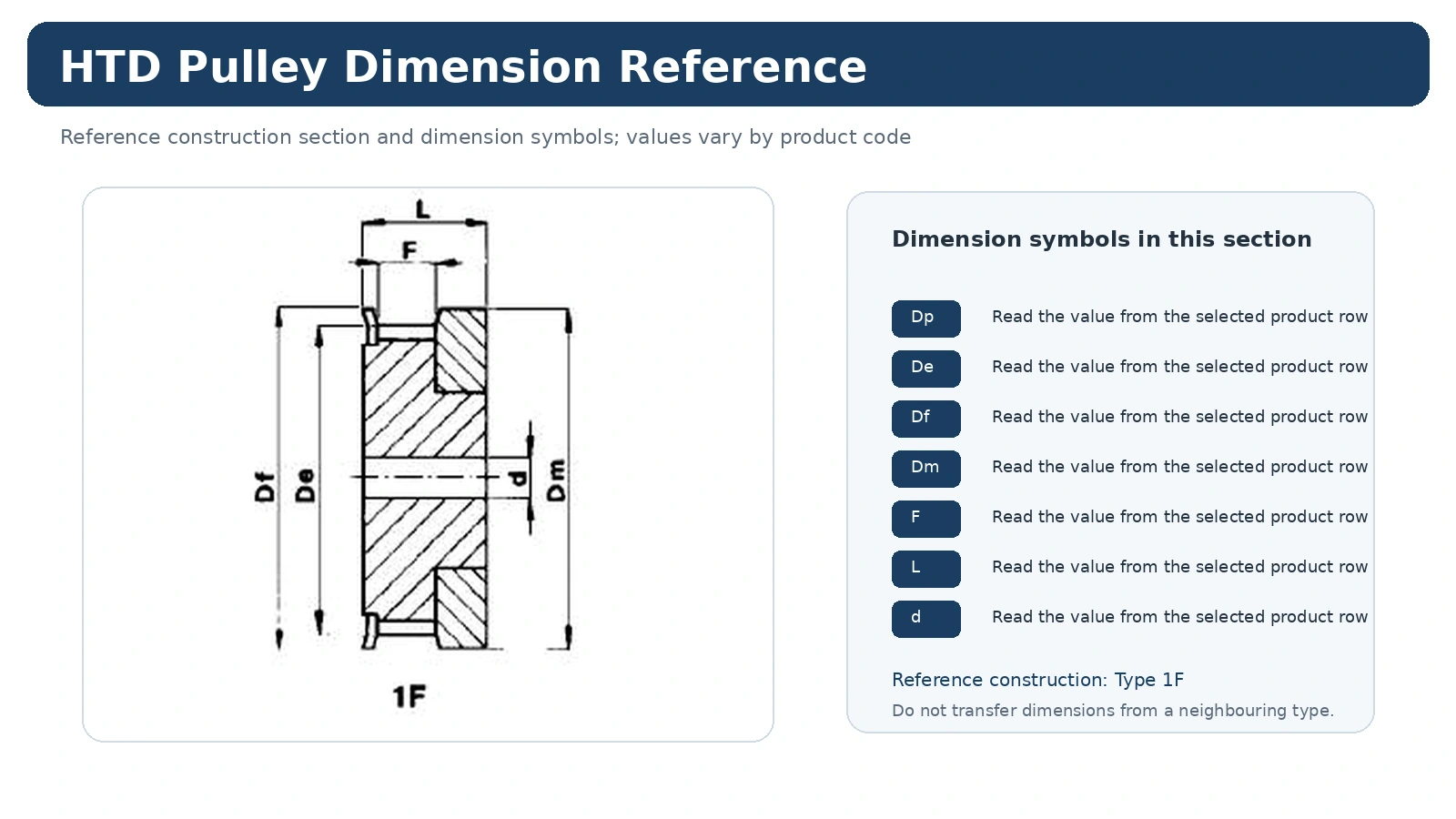
Dobór koła pasowego HTD jest najpewniejszy, gdy napęd jest traktowany jako system. Przed porównaniem rzędów katalogowych należy sprawdzić pasujący profil HTD, liczbę lub przełożenie zębów, szerokość roboczą pasa i połączenie wału. Asortyment obejmuje koła pasowe z serii 3M, 5M, 8M i 14M z otworami prostymi, konfiguracje z tuleją stożkową, koła pasowe niestandardowe wg rysunku oraz pasujące paski rozrządu.
Otwórz rodzinę, aby porównać obsługiwane serie szerokości, referencje konstrukcyjne i tabele na poziomie modelu. Liczba zębów pozostaje w wierszach specyfikacji na odpowiedniej stronie produktu, dzięki czemu kontekst wymiarowy, typ konstrukcji i kod zamówienia pozostają razem.
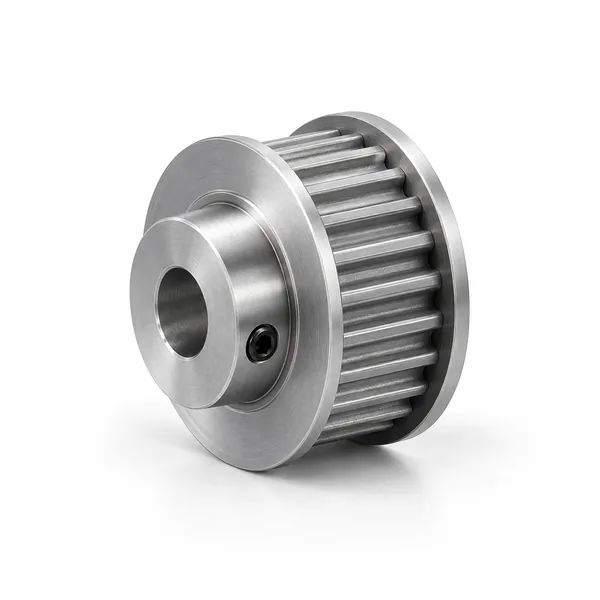
Kompaktowe rodziny kół pasowych synchronicznych do małych napędów automatyki i pozycjonowania.
Odkryj rodzinę →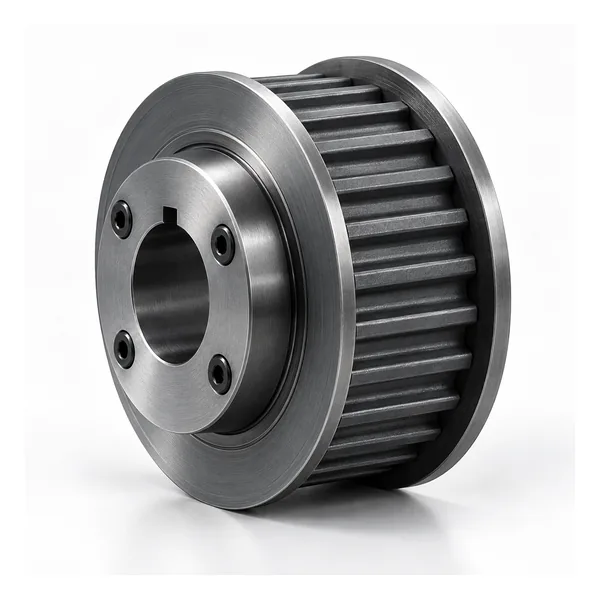
Rodziny kół pasowych rozrządu 5M łączą w sobie kompaktową geometrię z szerszym zakresem zastosowań przemysłowych.
Odkryj rodzinę →
8M przemysłowych kół zębatych do obrabiarek, urządzeń transportowych i produkcyjnych.
Odkryj rodzinę →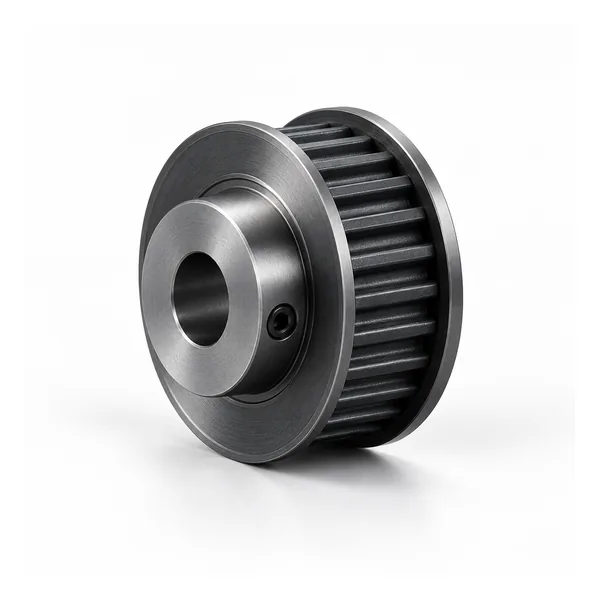
Większe rodziny kół pasowych HTD przeznaczone do napędów przemysłowych, w których szczególnie ważne jest połączenie wału i konstrukcja piasty.
Odkryj rodzinę →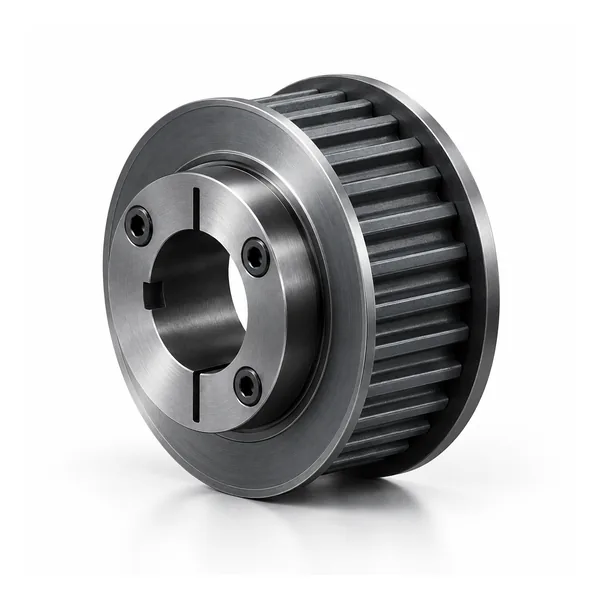
Rodziny kół pasowych HTD z tulejami stożkowymi, z katalogowymi kodami tulei i zakresami średnic.
Odkryj rodzinę →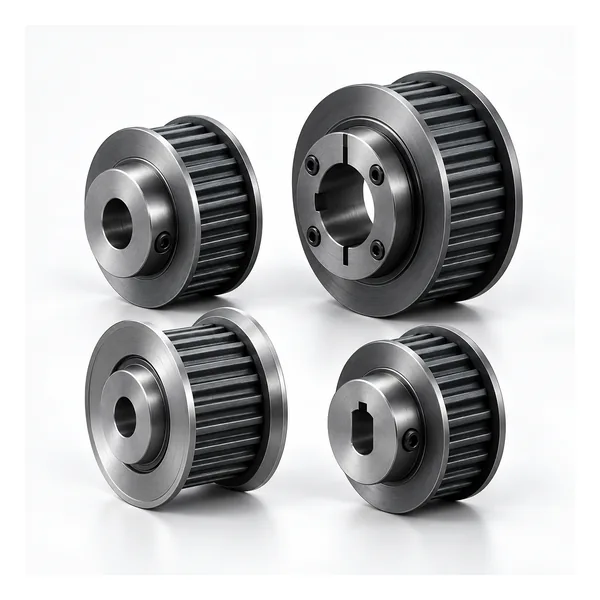
Obróbka skrawaniem kół pasowych HTD sterowana rysunkiem w przypadku niestandardowych wałów, piast, kołnierzy i wymagań kontrolnych.
Odkryj rodzinę →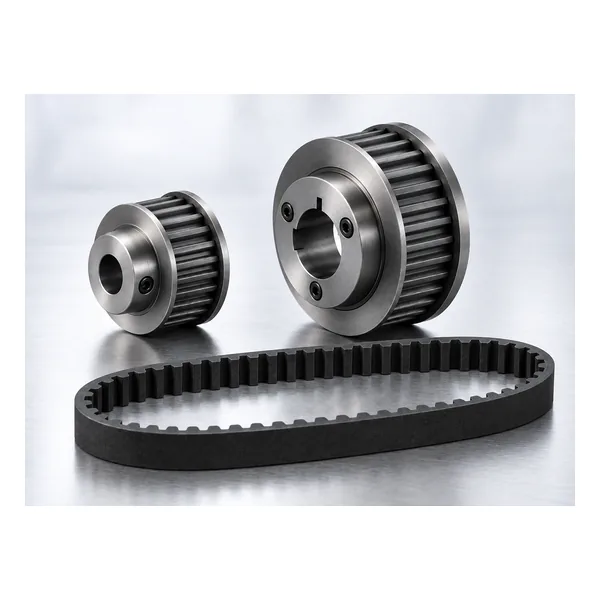
Pasujące paski rozrządu HTD do układów kół pasowych 3M, 5M, 8M i 14M.
Odkryj rodzinę →Rodzina podziałek identyfikuje podstawowy układ synchroniczny, ale nie stanowi ostatecznego wyboru. Szerokość robocza musi być zgodna z układem pasa, liczba zębów musi zapewniać wymaganą relację prędkości i geometrię napędu, a połączenie wału musi być dopasowane do maszyny. Projekty wymiany powinny również uwzględniać wystawanie piasty, układ kołnierzy i linię pasa przed demontażem starego koła pasowego.
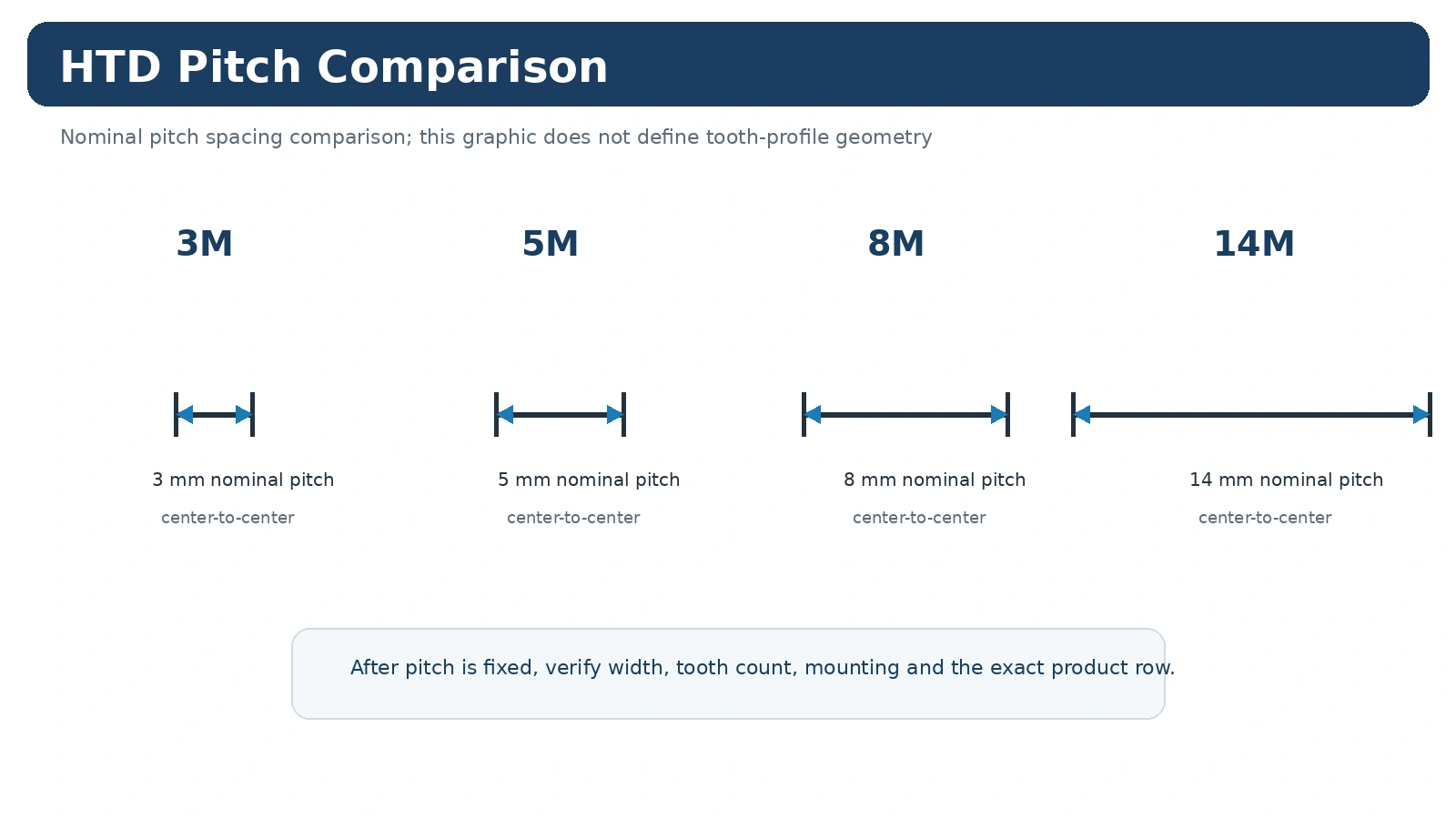
Nominalny skok to jeden z pierwszych filtrów, a nie uniwersalna wartość znamionowa wydajności. Konstrukcja pasa, szerokość, liczba zębów, obciążenie, prędkość i geometria maszyny nadal wymagają analizy dla konkretnego napędu.
Nominalny skok 3 mm dla kompaktowych układów napędowych HTD.
Szerokość nominalna 5 mm, strony katalogu o szerokości 09, 15 i 25.
Rozstaw nominalny 8 mm, strony o szerokości 20, 30, 50 i 85.
Rozstaw nominalny 14 mm, strony o szerokości 40, 55, 85, 115 i 170.
Strony aplikacji pomagają uchwycić cykl pracy, warunki środowiskowe, dostęp, zabezpieczenia i ograniczenia wymiany. Nie zastępują one tabel technicznych specyficznych dla danego modelu.
Użyj niestandardowej trasy, gdy znana jest geometria pasa, ale interfejs wału lub obwiednia montażowa nie są objęte standardową konfiguracją. Prześlij dane dotyczące współpracującego pasa/profilu, zębów, szerokości, danych wału, szczegółów piasty i kołnierza, ilości oraz wersji rysunku kontrolującej część.

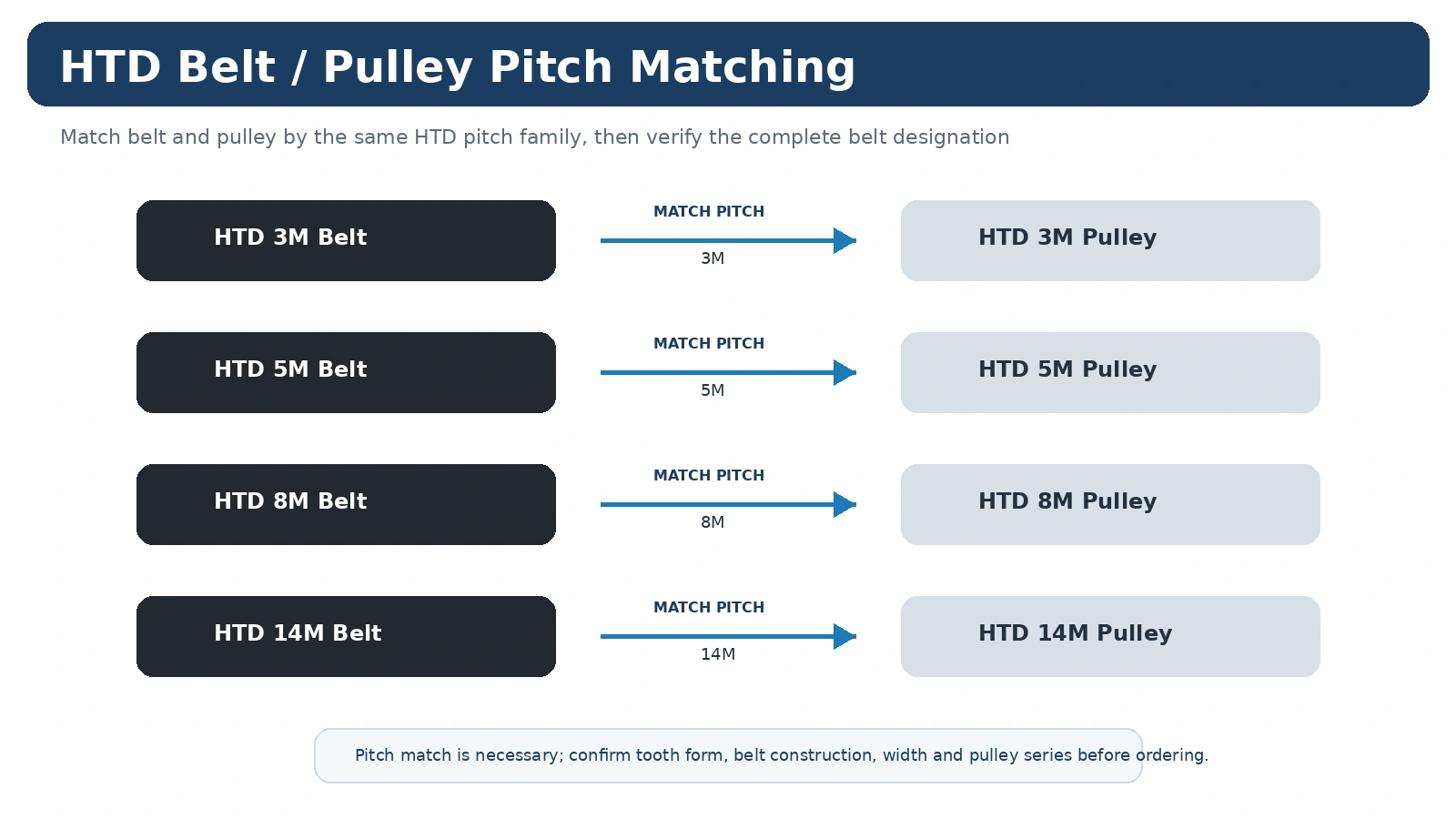
Sprawdzenie zgodności oznaczenia podziałki jest niezbędne, ale wymiana powinna również zachować pełną tożsamość pasa, szerokość roboczą i kształt zęba. Strona poświęcona pasom jest uzupełnieniem katalogu kół pasowych, a nie substytutem doboru rozmiaru napędu.
Wymagania dotyczące produkcji i kontroli powinny być zgodne z zamówioną konfiguracją. Wymagania dotyczące specjalnych materiałów, tolerancji, oznakowania lub raportów powinny zostać zawarte w zapytaniu ofertowym (RFQ) lub rysunku przed rozpoczęciem produkcji.
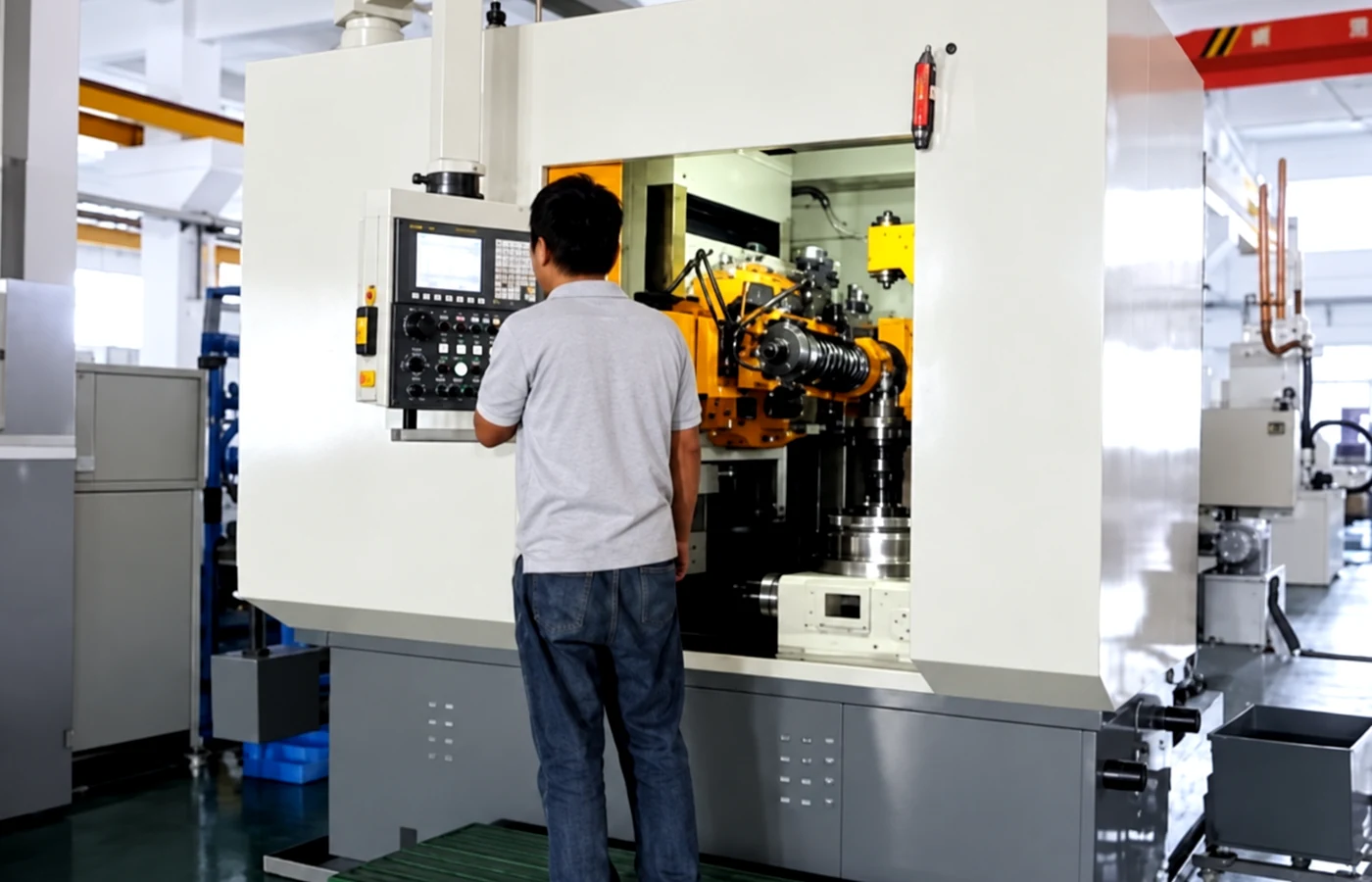
Zachowaj rodzinę zębów i wybrane odniesienie do produktu powiązane z zamówieniem.
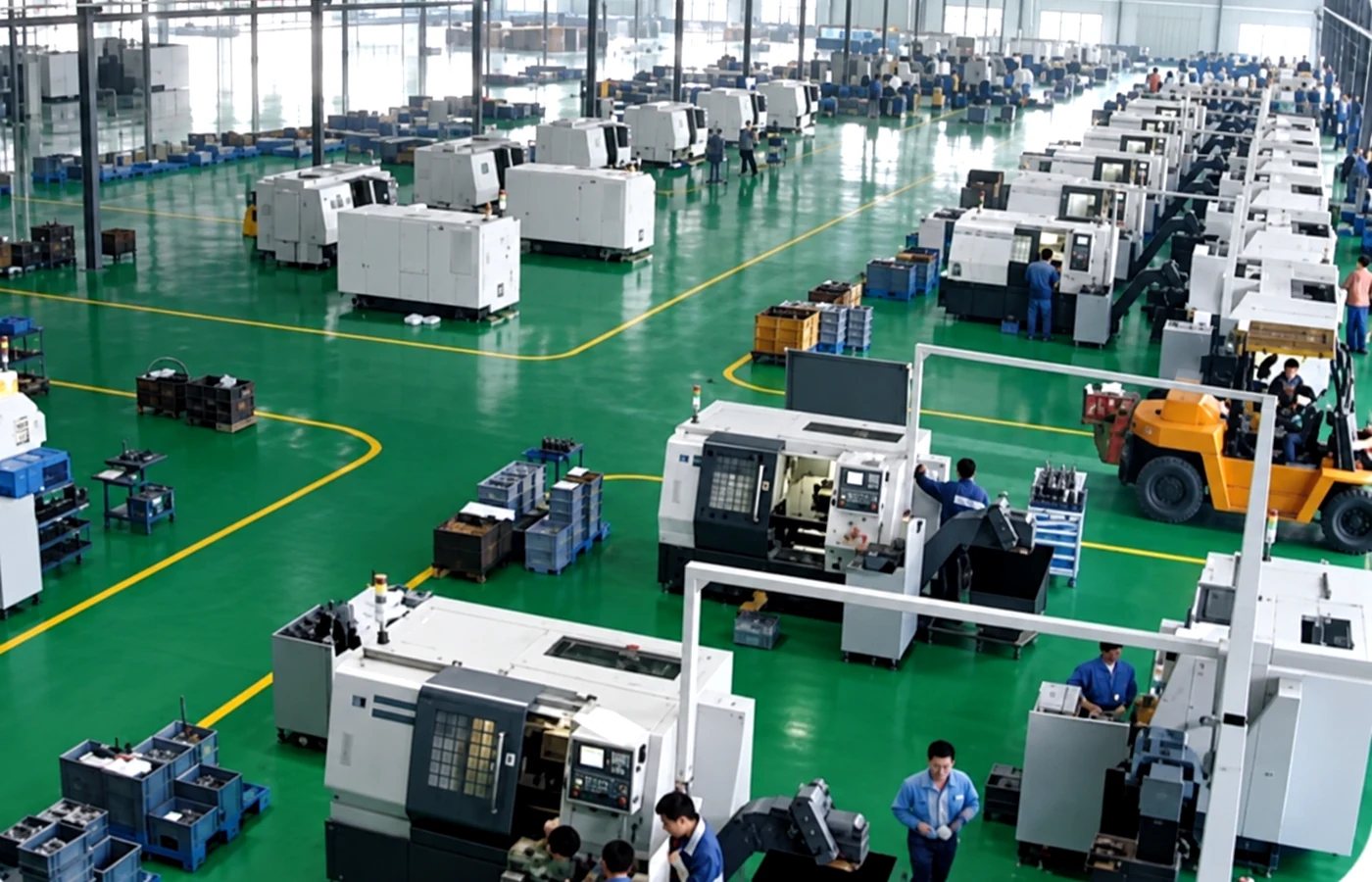
Cechy otworu i piasty są zgodne z ustaloną konfiguracją, a nie ogólnym założeniem.
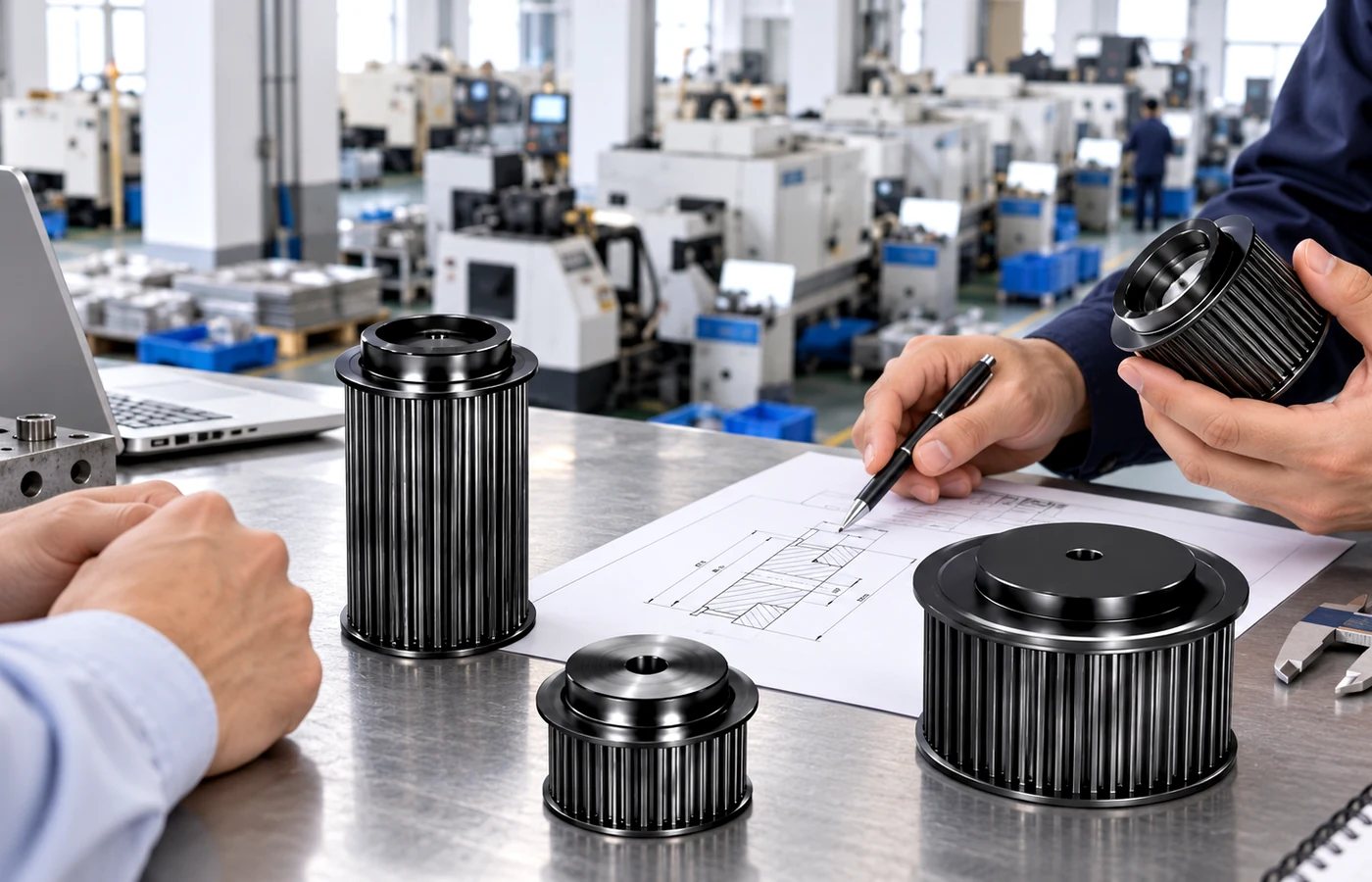
Punkty kontroli ustalane są na podstawie rysunku i wymagań zamówienia.
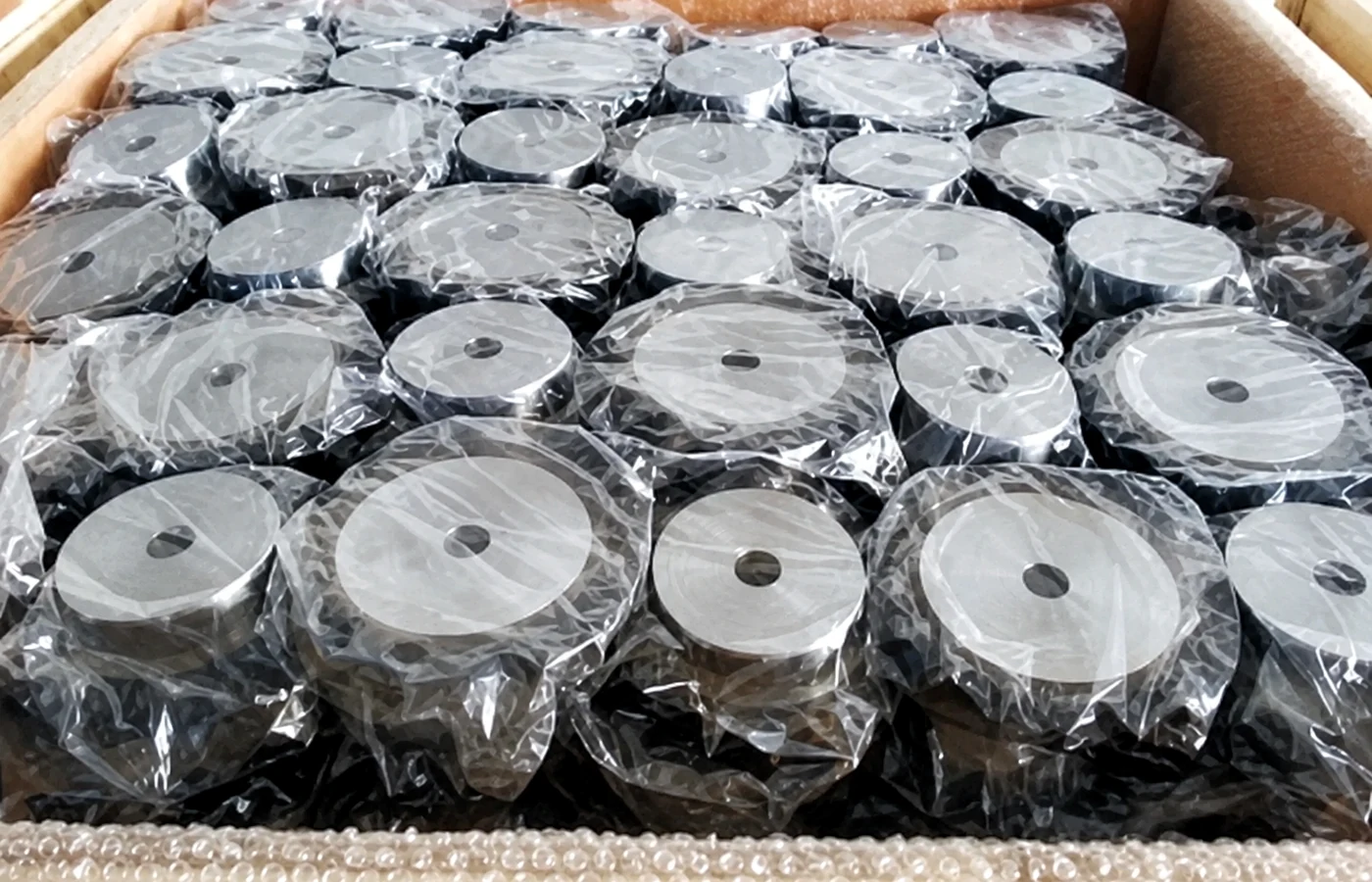
Model i tożsamość zamówienia powinny pozostać możliwe do prześledzenia w trakcie pakowania i wysyłki.
Biblioteka inżynierska obejmuje porównanie podziałki, dopasowanie pasów, interfejsy wałów, pomiary zamienne, liczbę zębów oraz decyzje dotyczące materiałów/kołnierzy. Skorzystaj z tych przewodników, aby przygotować dane wejściowe do wyceny na poziomie modelu, zamiast kopiować pojedynczy wymiar z innego napędu.
Praktyczne artykuły dla inżynierów, zespołów ds. utrzymania ruchu i nabywców przemysłowych przygotowujących zapytanie ofertowe dotyczące wyboru lub wymiany koła pasowego.

Zapytanie ofertowe i lista kontrolna zamówień na koła pasowe rozrządu powinny być traktowane jako decyzja dotycząca układu napędowego. Punktem wyjścia jest pas współpracujący z maszyną, a następnie zęby…
Przeczytaj więcej →
Listę kontrolną do rysowania niestandardowych kół pasowych rozrządu należy traktować jako decyzję dotyczącą układu napędowego. Punktem wyjścia jest pas współpracujący z maszyną, a następnie liczba zębów…
Przeczytaj więcej →
Koło rozrządu HTD kontra XL: Dlaczego podziałka i kształt zęba mają znaczenie przy podejmowaniu decyzji o układzie napędowym. Przydatnym punktem wyjścia jest pas pasowy…
Przeczytaj więcej →
Lista kontrolna wymiany koła pasowego rozrządu dla zespołów konserwacyjnych powinna być traktowana jako decyzja dotycząca układu napędowego. Punktem wyjścia jest pas współpracujący z maszyną, a następnie…
Przeczytaj więcej →Bicie i współśrodkowość koła pasowego: To, co należy określić, powinno być traktowane jako decyzja dotycząca układu napędowego. Użytecznym punktem wyjścia jest pas współpracujący z maszyną, a następnie…
Przeczytaj więcej →Listę kontrolną konserwacji i przeglądu koła pasowego rozrządu HTD należy traktować jako decyzję dotyczącą układu napędowego. Punktem wyjścia jest pas współpracujący z maszyną, a następnie…
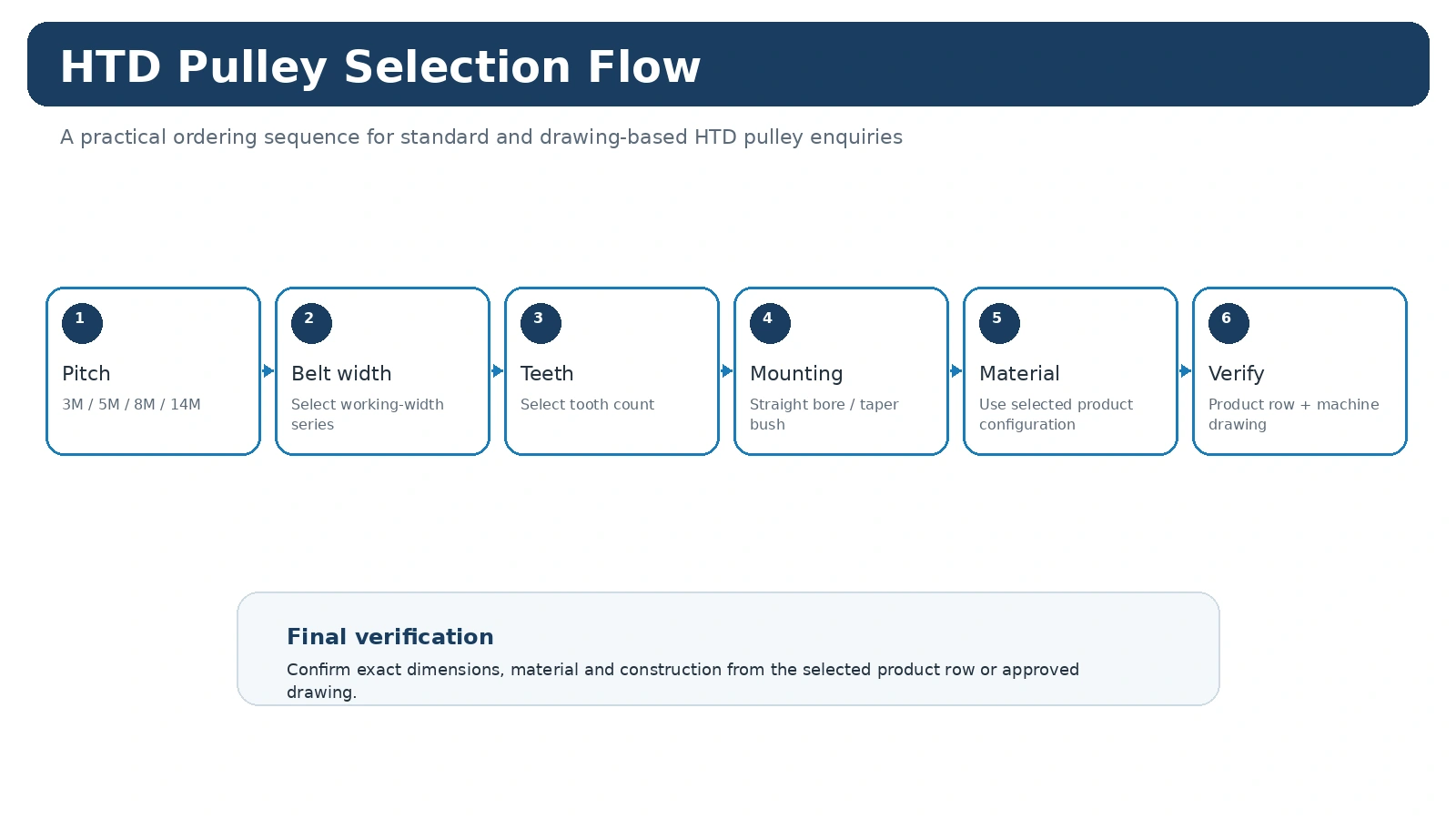
Przeczytaj więcej →Zapytanie o koło pasowe rozrządu HTD staje się znacznie łatwiejsze do kontrolowania, gdy kolejność wyboru pozostaje spójna. Najpierw należy zidentyfikować pasującą rodzinę pasów HTD, następnie szerokość roboczą i liczbę zębów, a dopiero potem określić interfejs wału. Strona przestrzega tej kolejności, dzięki czemu strony produktów, przewodniki inżynieryjne i pola zapytań ofertowych (RFQ) są napisane tym samym językiem.
Zanotuj oznaczenie pasa, liczbę zębów, powierzchnię roboczą, występ piasty, otwór lub tuleję oraz dostępną przestrzeń osiową przed demontażem starego koła pasowego. Zdjęcie obu końców wału jest przydatne w przypadku braku oryginalnego rysunku.
Zacznij od wymaganej prędkości obrotowej, obciążenia, rozstawu osi i zakresu instalacji. Katalog następnie zawęża geometrię koła pasowego; ostateczne połączenie wału i kontrolowane wymiary powinny znajdować się na opublikowanym rysunku.
Zachowaj pełny profil, serię, liczbę zębów i wymagania dotyczące styku wału z wałem w każdej pozycji zamówienia. Ułatwia to wycenę zamówień mieszanych modeli bez utraty tożsamości technicznej pojedynczego koła pasowego.
W przypadku standardowego koła pasowego z katalogu, prosimy o przesłanie informacji o podziałce HTD, szerokości serii, liczbie zębów, wałku lub tulei stożkowej oraz ilości. W przypadku części niestandardowej, prosimy o dołączenie rysunku wymiarowego i wskazanie wymiarów funkcjonalnych. Jeśli naprawiana jest istniejąca maszyna, prosimy o dołączenie oznaczenia pasa oraz wyraźnych zdjęć obu stron starego koła pasowego.
Części standardowe są zazwyczaj planowane w oparciu o wielkości produkcji. Zakwalifikowane próbki dla nowych klientów można poddać przeglądowi, gdy konfiguracja i proces produkcyjny są odpowiednie, natomiast modele mieszane można skonsolidować w celu uzyskania praktycznej wartości zamówienia. Materiały specjalne i procesy specjalne podlegają własnym minimalnym wymaganiom procesowym.
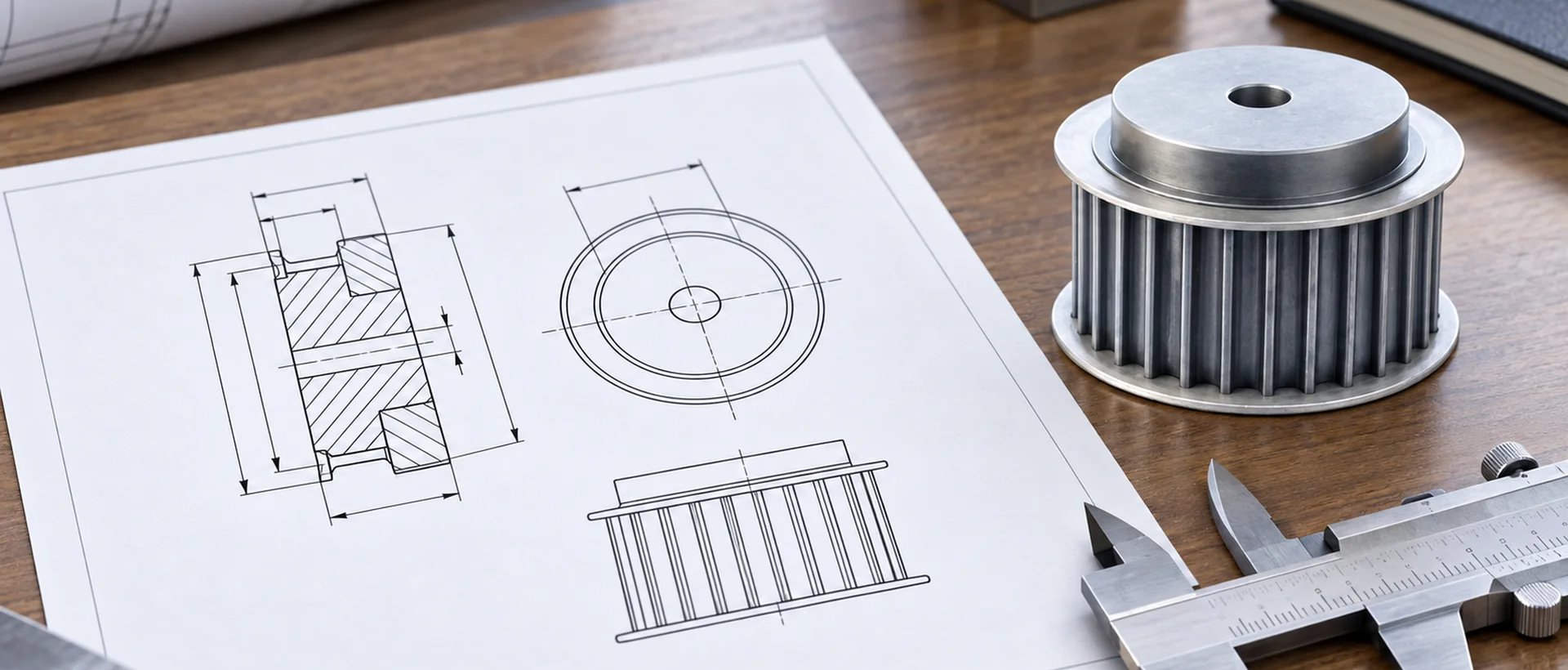
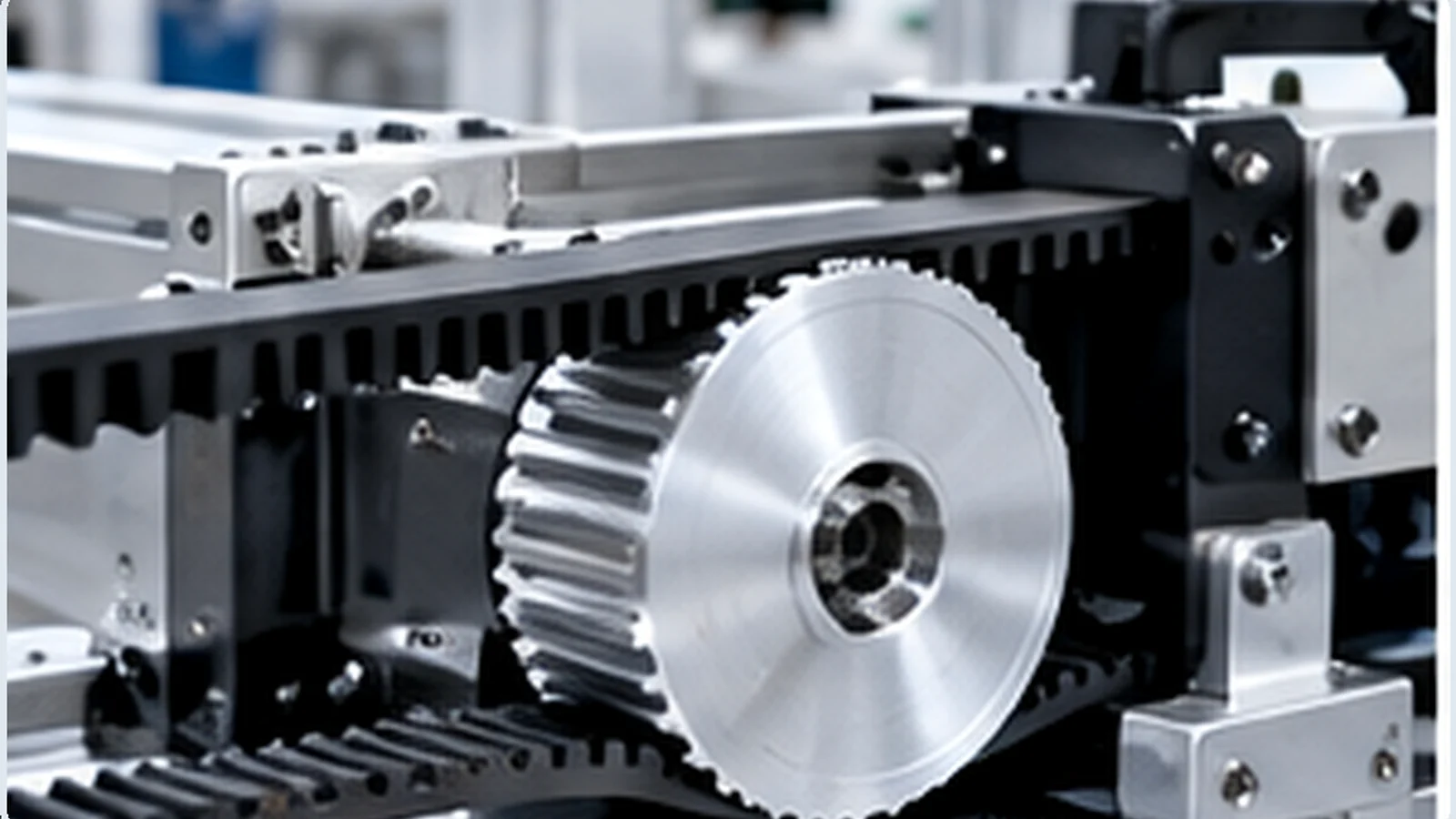 Automatyka przemysłowa
 Maszyny pakujące
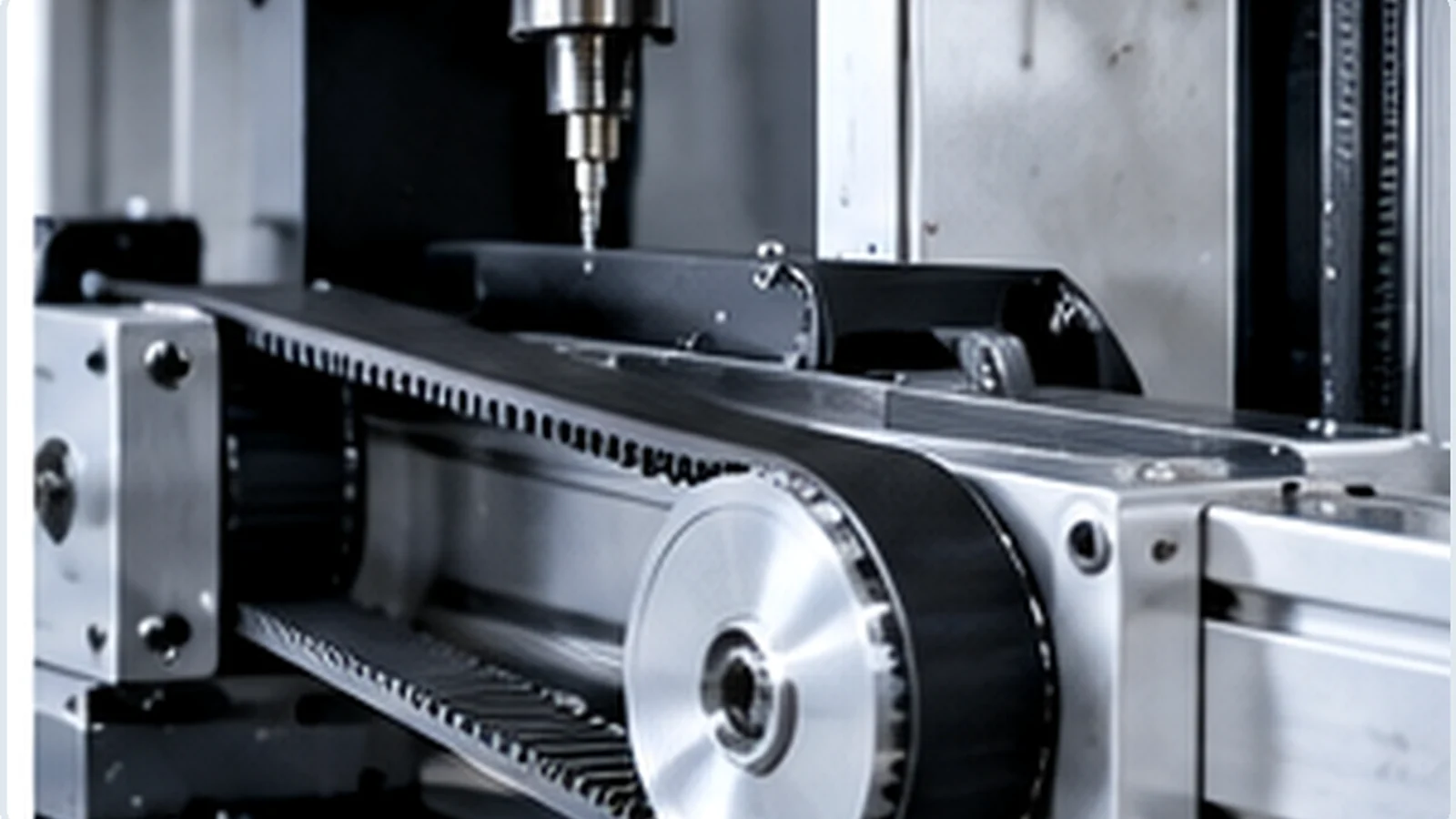 Obrabiarki
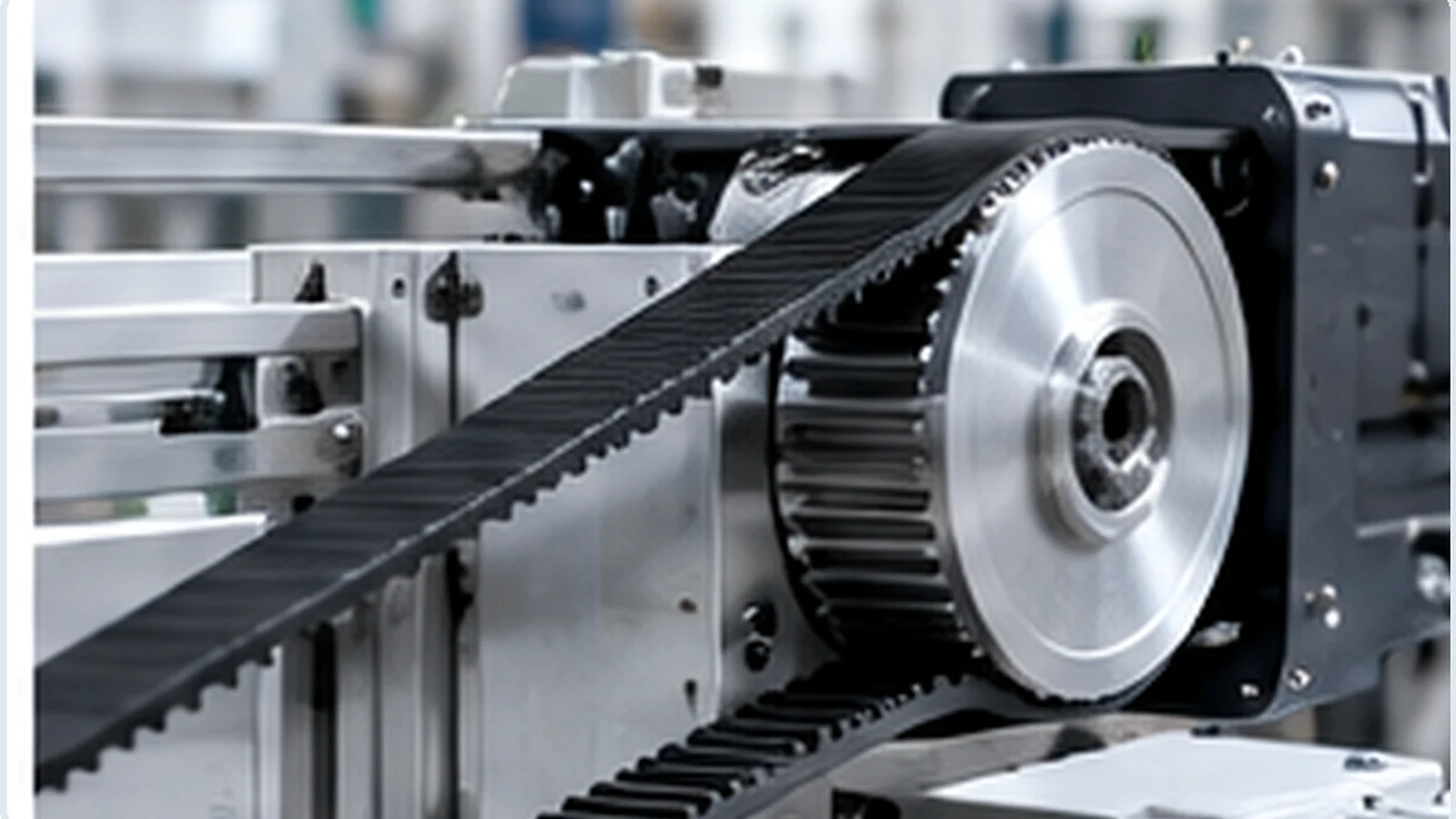 Sprzęt transportowy
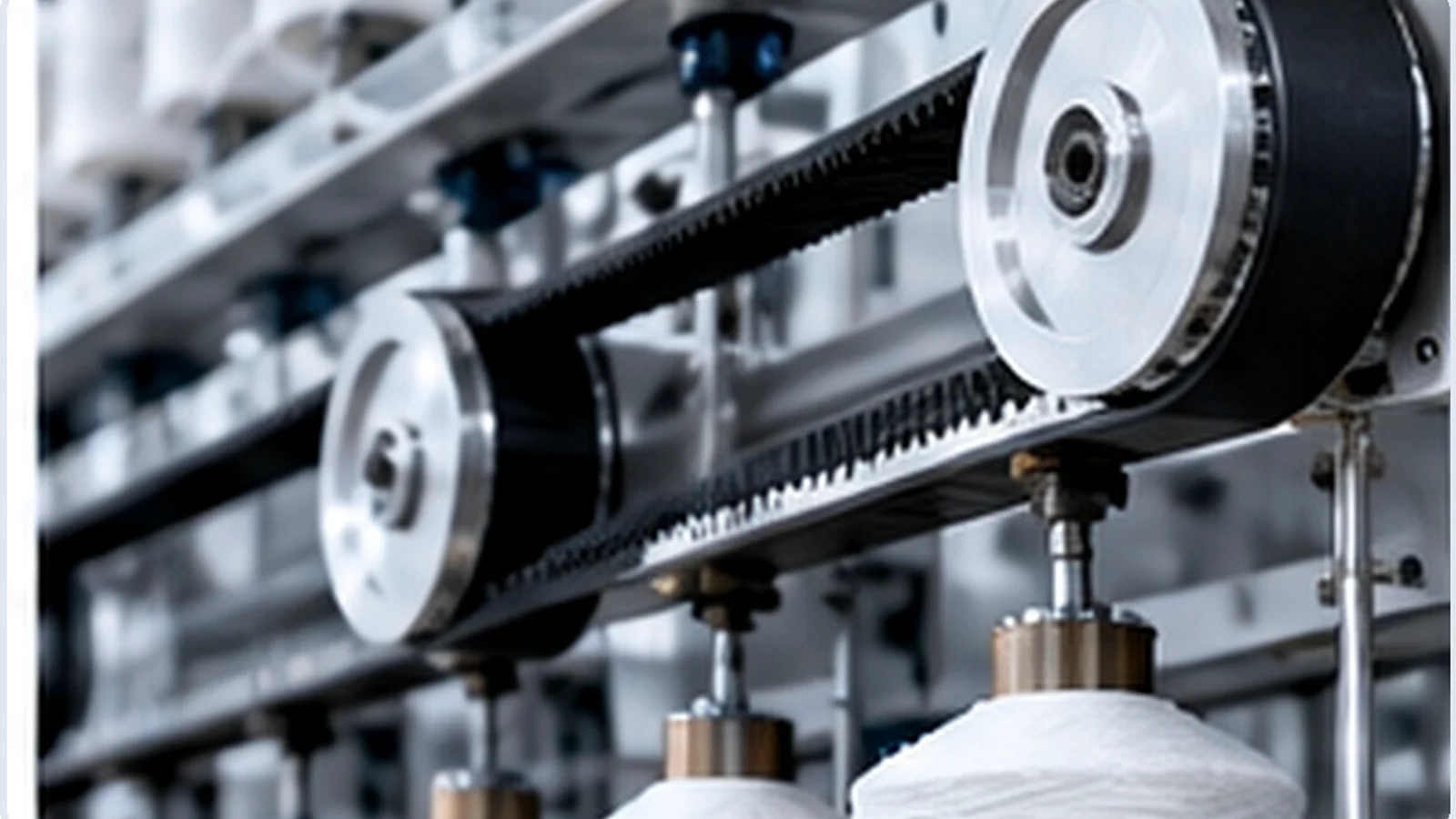 Maszyny tekstylne i papiernicze
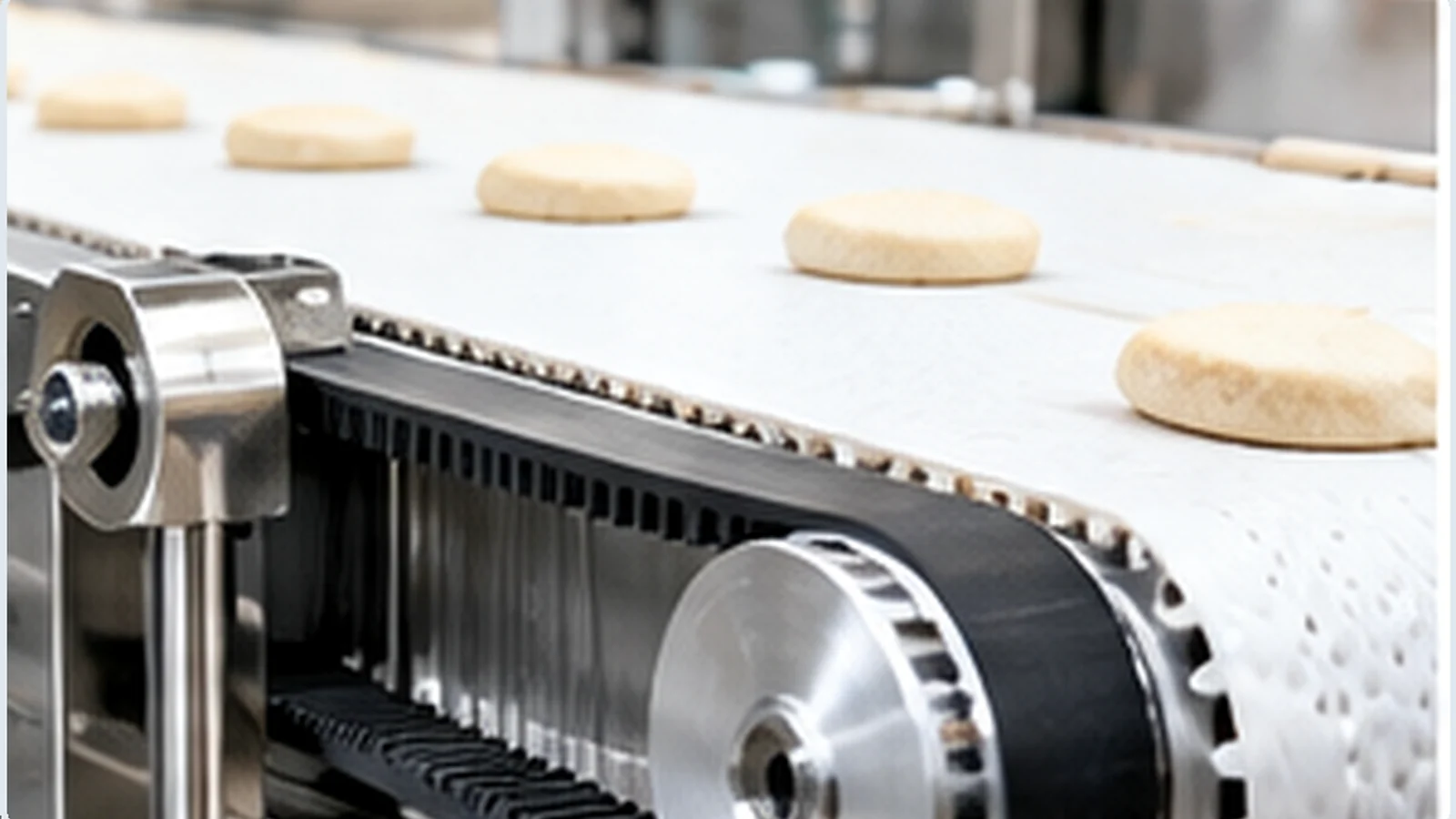 Maszyny przetwórcze