Dây đai truyền động HTD
Cung cấp dây đai truyền động HTD phù hợp cho các hệ thống puly 3M, 5M, 8M và 14M; việc nhận dạng dây đai được xác nhận trước khi lựa chọn puly.
Tổng quan sản phẩm
Tổng quan về cấu hình dây đai truyền động HTD
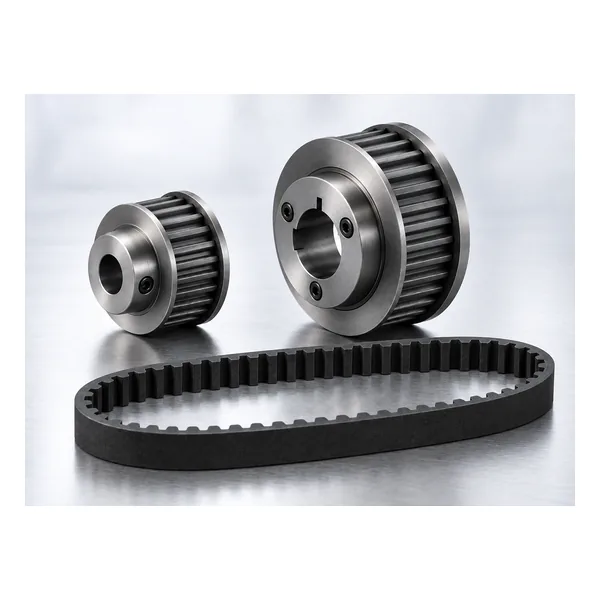
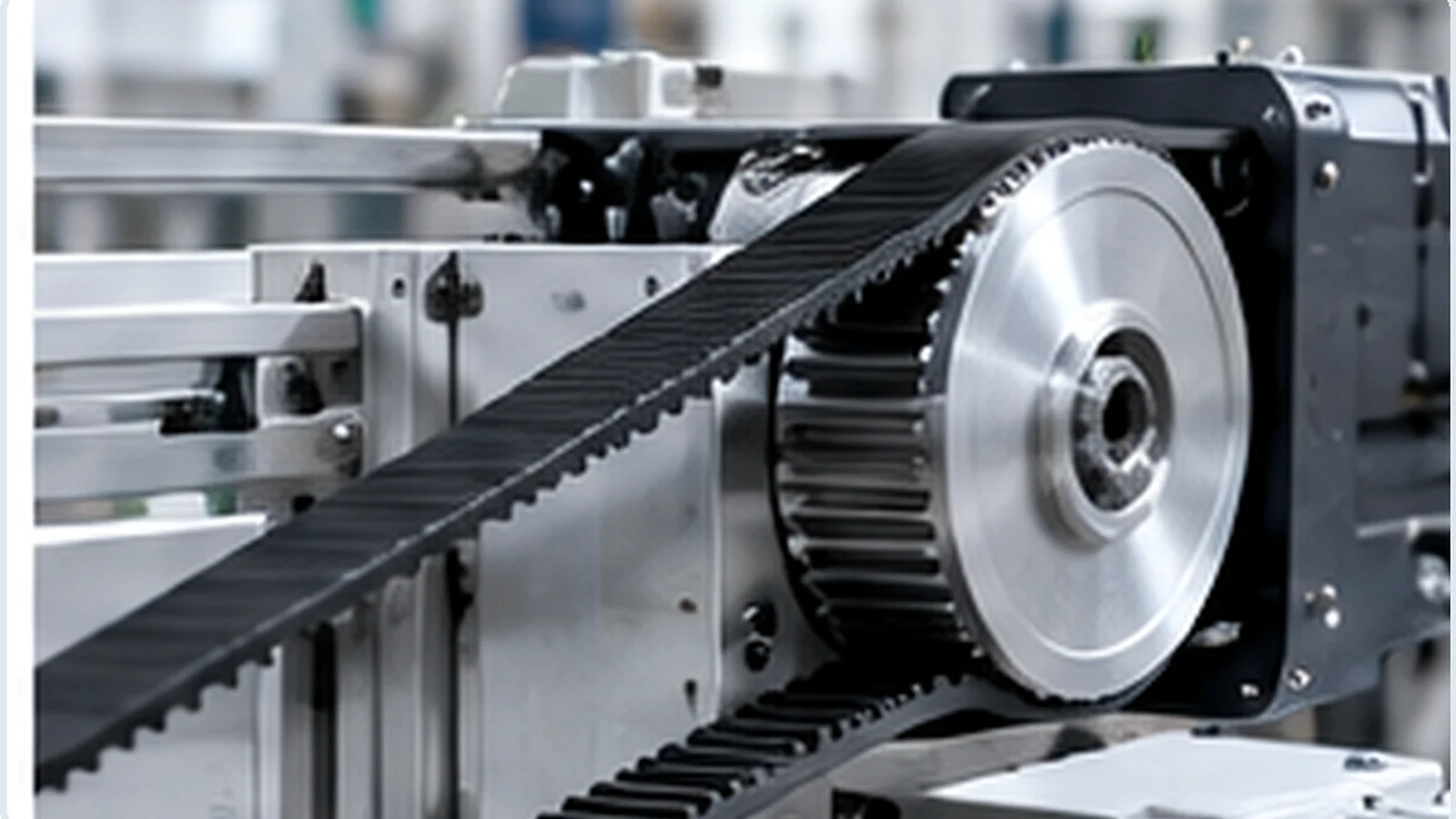
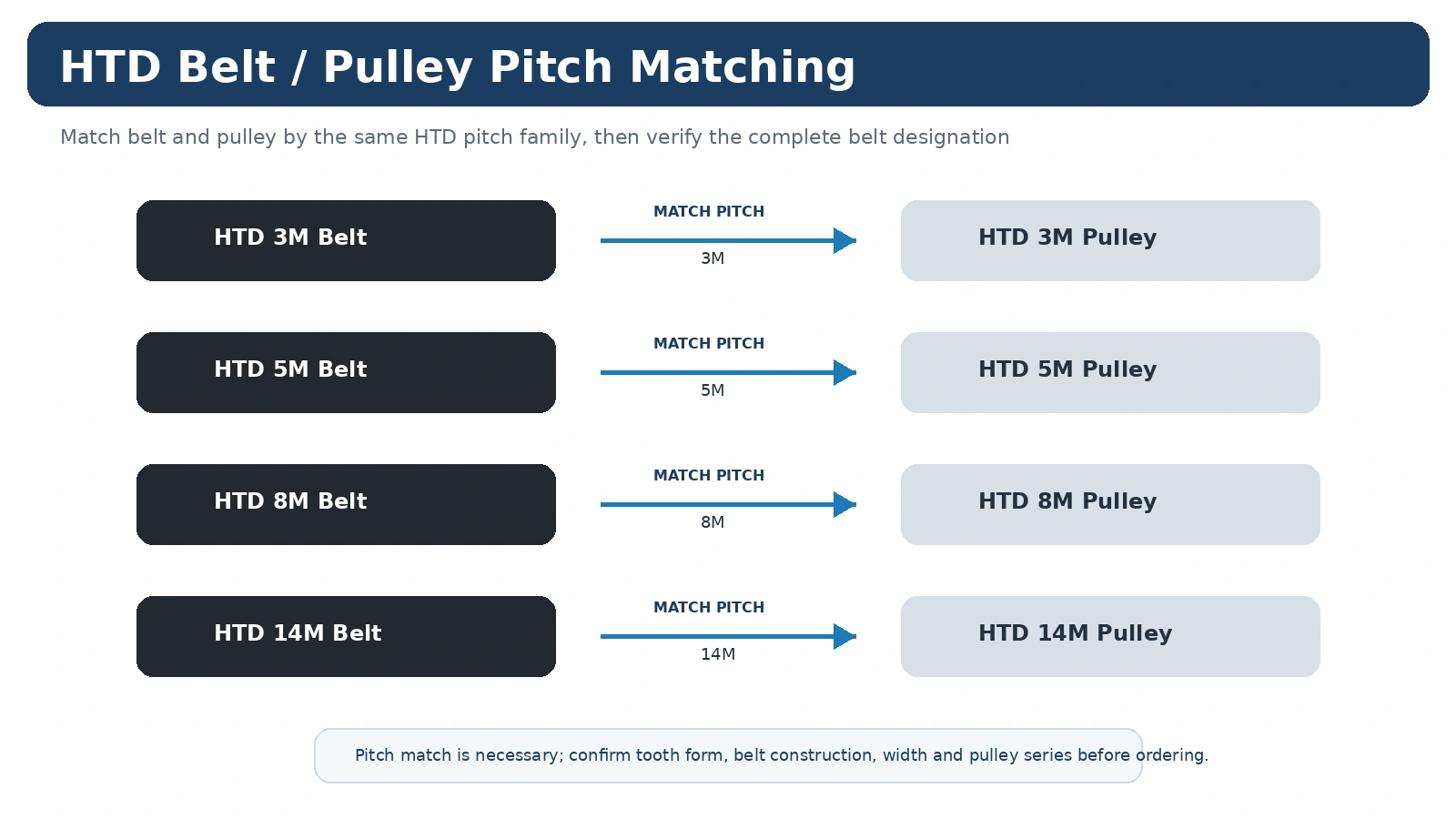
Dây đai truyền động HTD Dây đai là bộ phận ghép nối cho các puly định thời HTD. Bước kiểm tra khả năng tương thích đầu tiên là xác định chính xác loại răng của dây đai: 3M, 5M, 8M hoặc 14M. Sau đó, chiều rộng, chiều dài và cấu tạo của dây đai cần phải phù hợp với máy. Không bao giờ được ghép nối puly và dây đai chỉ vì số bước răng danh nghĩa trông tương tự với một hệ thống răng cong khác.
Tổng quan về kỹ thuật
Dây đai và ròng rọc Match của Profile
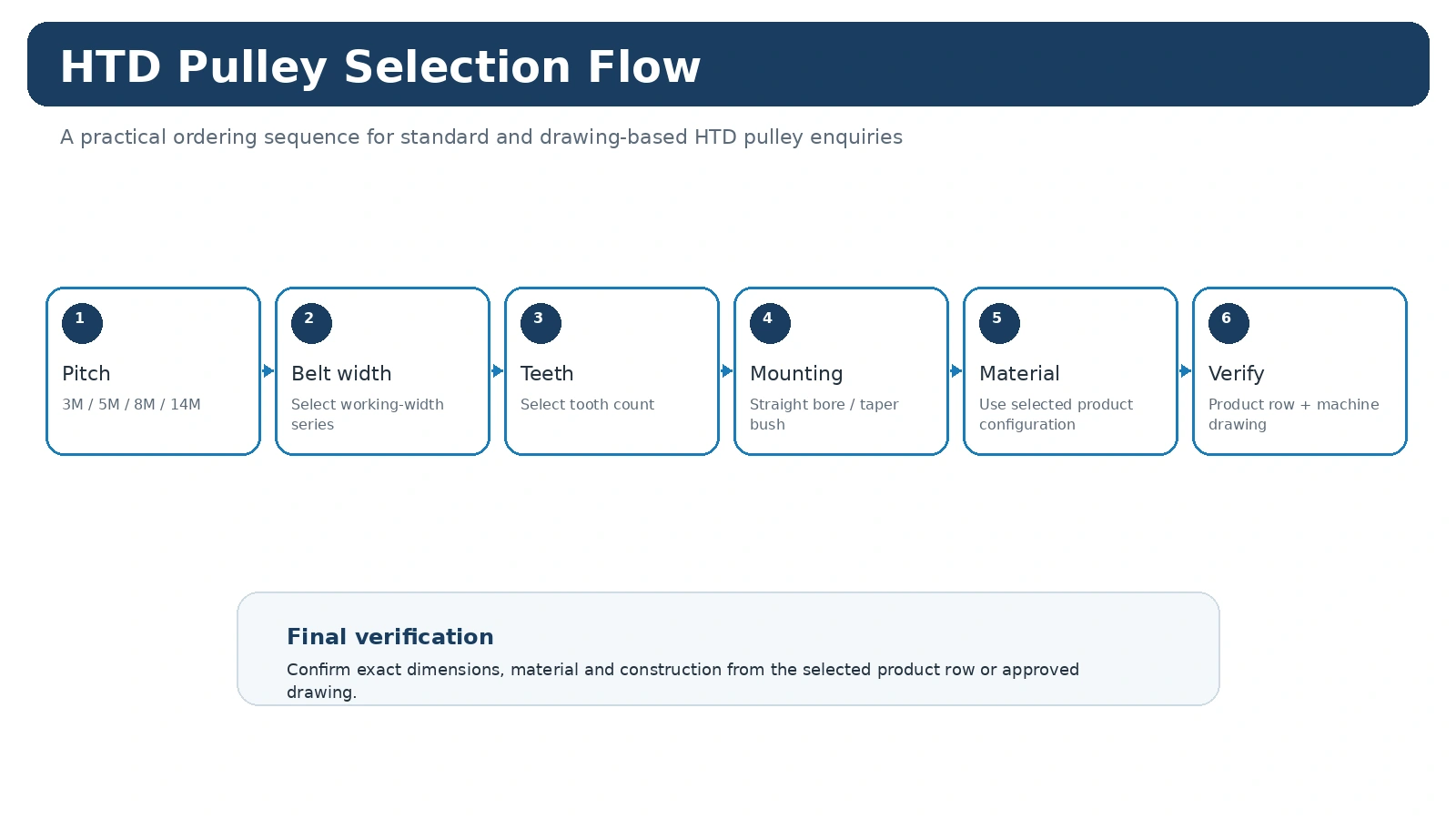
Sử dụng đầy đủ ký hiệu trên dây đai và thông tin về hệ thống ròng rọc. Xác nhận bước ren, chiều rộng dây đai và số răng trước khi xem xét kích thước giao diện trục hoặc kích thước thay thế.
Phù hợp với các mốc thời gian 3M, 5M, 8M và 14M
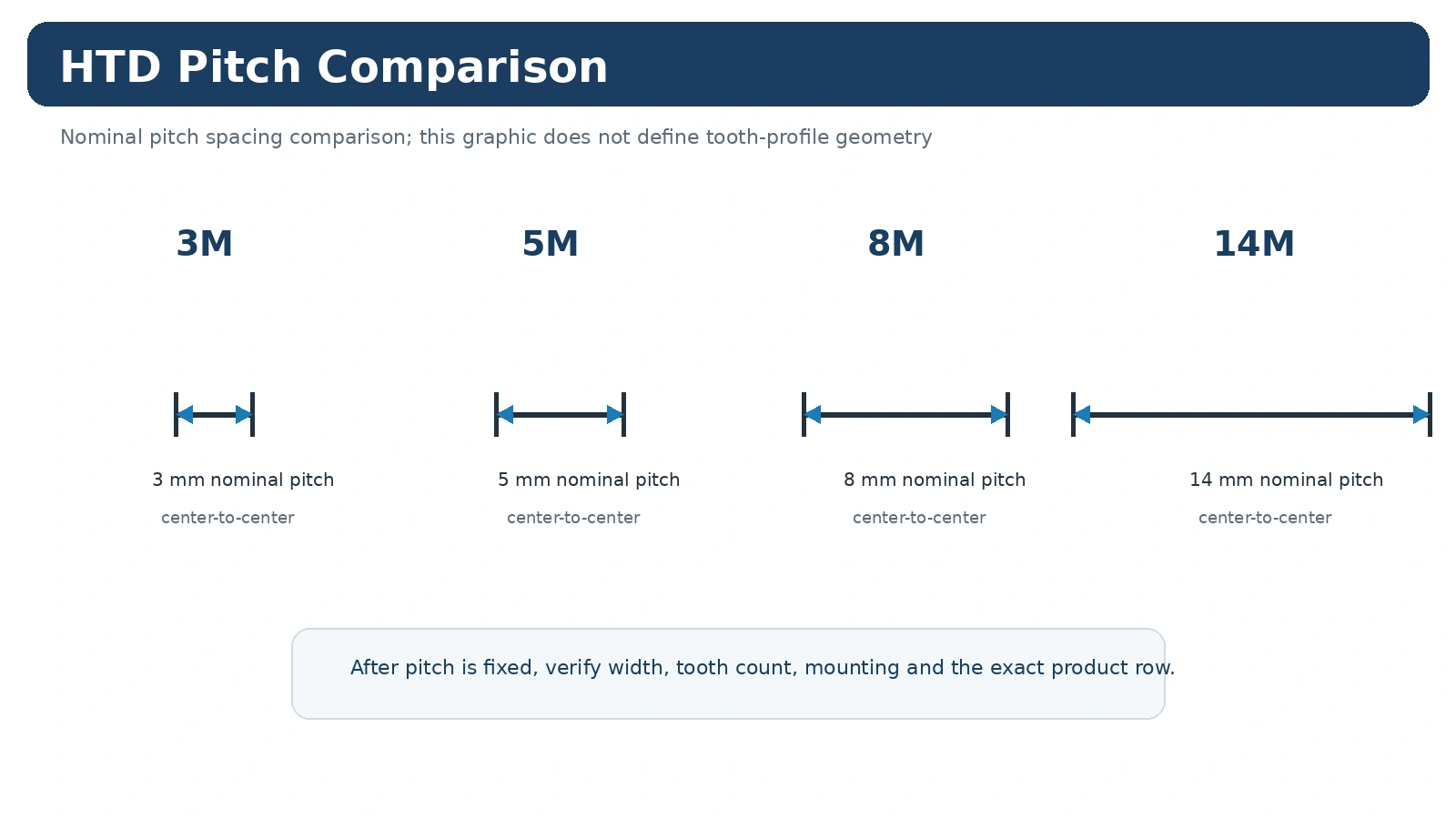
Các loại dây đai nhỏ hơn như 3M và 5M thường được xem xét khi cần kích thước nhỏ gọn và yêu cầu truyền động nhẹ hơn, trong khi 8M và 14M phù hợp với các hệ thống truyền động công nghiệp lớn hơn. Khả năng chịu tải thực tế phụ thuộc vào cấu tạo dây đai, chiều rộng, độ ăn khớp răng, kích thước ròng rọc, tốc độ và điều kiện vận hành. Do đó, việc lựa chọn dây đai cuối cùng nên dựa trên dữ liệu của nhà sản xuất dây đai hoặc dữ liệu thiết kế hệ thống truyền động đã được phê duyệt, thay vì giá trị tải trọng chung.
Nhận dạng thay thế
Ghi lại tất cả các ký hiệu rõ ràng trên dây đai trước khi tháo dây đai đã mòn. Chỉ đếm số răng puli để kiểm tra chéo; không chỉ dựa vào số răng để suy ra bước ren. Kiểm tra bề mặt răng và vành puli xem có hư hỏng không vì dây đai mới lắp vào puli bị hư hỏng có thể bị mòn cạnh nhanh hoặc dẫn hướng kém.
Để nhận báo giá, vui lòng gửi thông số kỹ thuật của dây đai: biên dạng, chiều rộng, chiều dài/mã in (nếu có), số lượng và dòng sản phẩm ròng rọc. Nếu máy móc từng bị hỏng dây đai, vui lòng gửi thêm thông tin về tốc độ, khoảng cách tâm, phương pháp căng dây, môi trường hoạt động và hình ảnh của cả hai ròng rọc.
Đặt hàng, mẫu thử và kế hoạch thương mại
Kỹ thuật liên quan
So sánh Các dòng ròng rọc HTD, ôn tập khớp dây đai và ròng rọchoặc sử dụng hướng dẫn đo lường thay thế trước khi gửi yêu cầu báo giá.
Sử dụng ký hiệu đầy đủ trên đai để xác định loại ròng rọc.
Dây đai thường là cách nhanh nhất để xác định loại bước răng HTD trên hệ thống truyền động hiện có. Ghi lại đầy đủ các ký hiệu chính xác như được in, bao gồm thông tin về loại bước răng và chiều rộng. Không rút ngắn bản ghi thành “5M” hoặc “8M” nếu các phần khác của ký hiệu phân biệt cấu tạo hoặc kích thước. Sau khi xác định được loại dây đai, hãy so sánh các ròng rọc trong cùng loại bằng số răng, dãy chiều rộng làm việc và giao diện trục.
Nếu ký hiệu trên dây đai không đọc được, hãy giữ lại dây đai cũ và chụp ảnh cận cảnh mặt răng và chiều rộng của nó. Kết hợp bằng chứng đó với số răng và kích thước của ròng rọc thay vì chỉ chọn một loại dựa trên đường kính ngoài.
Chiều dài dây đai và số răng puly giải quyết các vấn đề khác nhau trong hệ thống truyền động.
Số răng trên puly quyết định mối quan hệ tốc độ giữa trục dẫn động và trục bị dẫn động. Chiều dài dây đai và khoảng cách tâm xác định cách các puly đó được kết nối trong bố cục máy. Mã dây đai thay thế không tự động xác định đường kính lỗ hoặc trục puly, và mã puly tự nó không xác định được chiều dài dây đai chính xác. Hãy tách biệt việc nhận dạng linh kiện và hình học truyền động thành các bước kiểm tra riêng biệt.
Đối với hệ thống truyền động mới, cần cung cấp tốc độ của động cơ và trục dẫn động hoặc tỷ số truyền mong muốn, khoảng cách tâm, đường kính puly khả dụng, thông tin về tải trọng và bố trí trục. Việc lựa chọn dây đai và puly nên hướng đến một hệ thống tương thích chứ không nên được quyết định riêng lẻ.
Điều chỉnh chiều rộng và kiểm soát đường viền đai
Bề mặt làm việc của ròng rọc phải phù hợp với chiều rộng đai đã chọn trong khi vẫn đảm bảo khe hở dẫn hướng dự kiến. Chiều rộng tổng thể của mặt bích không thể thay thế cho chiều rộng làm việc. Trên máy hiện có, hãy ghi lại vị trí của đai so với moayơ và vai trục trước khi tháo dỡ hệ thống truyền động để việc thay thế không làm thay đổi đường thẳng của đai.
Việc tiếp xúc liên tục với một mặt bích, mài mòn cạnh hoặc dây đai trượt trên bề mặt là lý do cần kiểm tra độ thẳng hàng, giá đỡ trục, lắp đặt và độ căng. Không nên tự động chọn hình dạng mặt bích khác mà không hiểu tại sao hệ thống truyền động ban đầu lại hoạt động không chính xác.
Hồ sơ lưu trữ, kiểm tra và thay thế
Trước khi lắp đặt, hãy kiểm tra xem dây đai và răng puly có sạch sẽ và không bị hư hại nào có thể cản trở sự ăn khớp hay không. Tuân theo hướng dẫn lắp đặt và điều chỉnh độ căng của nhà sản xuất dây đai đối với loại dây đai đã chọn. Giữ cho dầu, mảnh vụn mài mòn và các chất gây ô nhiễm khác tránh xa khu vực mà vật liệu dây đai hoặc quy trình máy móc yêu cầu.
Sau khi vận hành thử, hãy lưu trữ ký hiệu đai, số răng puly, dãy chiều rộng và hồ sơ giao diện trục cùng với tài liệu máy móc. Nếu việc bảo trì thay đổi cấu tạo đai hoặc một trong các puly, hãy ghi lại sự thay đổi đó để các nhóm sau này có thể hiểu được sự kết hợp đã lắp đặt mà không cần phải phân tích ngược lại.
Đặt hàng dây đai và ròng rọc phù hợp
Khi yêu cầu đặt hàng cả dây đai và ròng rọc cùng nhau, hãy liệt kê đầy đủ ký hiệu của dây đai, cùng với từng loại ròng rọc, số răng, chiều rộng làm việc và chi tiết lắp đặt. Đối với các đơn đặt hàng nhiều loại máy khác nhau, hãy để mỗi ròng rọc trên một dòng riêng và tham chiếu đến loại dây đai chung khi thích hợp. Nếu máy đang được sửa chữa, hãy bao gồm ký hiệu của dây đai cũ và hình ảnh của hệ thống truyền động đã được lắp đặt.
Các linh kiện tiêu chuẩn thường được cung cấp với số lượng tối thiểu theo đơn hàng sản xuất. Khách hàng mới đủ điều kiện có thể xem xét các mẫu từ 1-5 sản phẩm với giá mẫu nếu phù hợp, và các mẫu hỗn hợp có thể được kết hợp để đạt mức giá khoảng 1.500 USD. Thời gian giao hàng cuối cùng và điều khoản vận chuyển phụ thuộc vào cấu hình đã được xác nhận và phạm vi đơn hàng.
Hãy đối chiếu loại dây đai với ròng rọc trước khi coi nó như một bộ phận thay thế.
Dây đai và ròng rọc thuộc cùng một hệ thống đồng bộ, nhưng trang web hiển thị chúng tách biệt về mặt hình ảnh trừ khi hình dạng hình học được hỗ trợ rõ ràng. Sử dụng tham chiếu họ bước răng để xác định đường dẫn tìm kiếm chính xác, sau đó xác nhận chiều rộng, số răng và giao diện trục từ các bộ phận thực tế.

Câu hỏi thường gặp về dây đai truyền động HTD
Liệu việc cùng một số cao độ có đủ để chứng minh tính tương thích?
Không. Hãy giữ nguyên toàn bộ mã số răng và ký hiệu đai. Chỉ số bước răng không nên được sử dụng làm tham chiếu chéo giữa các hệ thống răng cong khác nhau.
Tôi cần gửi những giấy tờ gì để được thay thế ổ cứng?
Vui lòng gửi thông tin về ký hiệu trên đai, số răng của cả hai ròng rọc, chiều rộng đai, thông tin giao diện trục, khoảng cách tâm (nếu có) và hình ảnh rõ nét trước khi tháo rời.
Liệu việc thay dây đai mới có thể khắc phục được sự cố lệch hướng?
Dây đai mới có thể thay thế bộ phận bị mòn, nhưng các vấn đề về độ chính xác khi chuyển động cũng có thể liên quan đến sự lệch trục, giá đỡ trục, lắp đặt hoặc tình trạng của ròng rọc. Hãy kiểm tra toàn bộ hệ thống thay vì chỉ coi dây đai là nguyên nhân duy nhất.
Chẩn đoán sự không phù hợp giữa dây đai và ròng rọc
Nếu bộ truyền động hoạt động ồn ào, làm mòn nhanh các bề mặt răng hoặc không hoạt động chính xác, cần kiểm tra kỹ trước khi thay thế dây đai. Hãy chắc chắn rằng cả hai ròng rọc đều thuộc cùng một loại răng với dây đai và chiều rộng dây đai phù hợp với bề mặt làm việc. Kiểm tra xem có hư hỏng răng, chất bẩn bám dính, ma sát mặt bích, lắp đặt lỏng lẻo và dấu hiệu cho thấy đường dây đai đã bị dịch chuyển sau khi bảo dưỡng hay không.
Nếu lần sửa chữa trước chỉ thay thế một ròng rọc, hãy so sánh số răng và hình dạng của cả hai ròng rọc với hồ sơ dây đai hiện tại. Một máy móc cũ có thể tích tụ các bộ phận hỗn hợp theo thời gian. Việc khôi phục một bộ tham chiếu được kiểm soát sẽ đáng tin cậy hơn so với việc chọn một dây đai mới chỉ dựa trên những gì có thể ép vào các ròng rọc.
Dữ liệu yêu cầu báo giá (RFQ) cho gói dây đai và ròng rọc.
Đối với máy mới, hãy ghi rõ tỷ số tốc độ yêu cầu và bối cảnh vận hành. Đối với máy thay thế, hãy gửi nhãn mác và hình ảnh dây đai hiện có trước khi tháo rời. Giữ nguyên các vật liệu đặc biệt, lớp hoàn thiện hoặc yêu cầu kiểm tra gắn liền với ròng rọc tương ứng chứ không phải với toàn bộ dây đai.
Thông tin mới về hệ thống truyền động và lựa chọn dây đai.
Đối với hệ thống truyền động đồng bộ mới, việc lựa chọn dây đai cần được xem xét cùng với hình dạng hình học của ròng rọc chứ không phải sau khi ròng rọc đã được cố định. Cung cấp tốc độ quay của động cơ, tốc độ quay của động cơ hoặc tỷ số truyền mục tiêu, công suất hoặc mô-men xoắn, khoảng cách giữa tâm, giờ hoạt động, số lần khởi động và dừng, điều kiện môi trường xung quanh và phạm vi bảo vệ có sẵn. Những thông tin đầu vào này cho phép xem xét cấu tạo và chiều rộng làm việc của dây đai cùng với số răng và đường kính của ròng rọc.
Không nên coi trang này như một bảng đánh giá chung. Khả năng chịu tải cuối cùng, hướng dẫn lắp đặt và căng đai phụ thuộc vào cấu trúc đai được chọn và hệ thống truyền động thực tế. Trường hợp dự án yêu cầu tính toán cụ thể hoặc khuyến nghị của nhà sản xuất đai, hãy giữ kết quả đó cùng với hồ sơ máy móc và đơn đặt hàng ròng rọc.
Lập kế hoạch thương mại cho việc ghép nối các thành phần
Dây đai tiêu chuẩn và ròng rọc trong danh mục thường được lên kế hoạch dựa trên số lượng sản xuất, trong khi các mẫu đánh giá đạt tiêu chuẩn có thể được xem xét khi cấu hình phù hợp. Các đơn đặt hàng hỗn hợp có thể kết hợp nhiều loại ròng rọc và dây đai khác nhau để đạt được giá trị đơn hàng hợp lý. Nếu yêu cầu vật liệu dây đai đặc biệt, vật liệu ròng rọc đặc biệt hoặc quy trình gia công chuyên dụng, số lượng tối thiểu và thời gian giao hàng sẽ tuân theo quy trình sản xuất áp dụng.
Các điều khoản và thời gian giao hàng cuối cùng được xác nhận sau khi thông tin về dây đai và ròng rọc, số lượng và điểm đến được xác định rõ. Điều này giúp tránh việc đưa ra các giả định thương mại dựa trên thông số kỹ thuật chưa đầy đủ.
Kiểm tra tình trạng trước khi đặt hàng dây đai và ròng rọc.
Khi đặt hàng thay thế, hãy kiểm tra cả hai bộ phận thay vì chỉ xem xét dây đai như một vật tư tiêu hao riêng lẻ. Chụp ảnh độ mòn răng, tình trạng mặt bích, độ nhiễm bẩn và đường dây đai đã lắp đặt. Nếu ròng rọc cũ có hư hỏng rõ ràng hoặc độ thẳng hàng không chắc chắn, hãy ghi rõ điều đó trong yêu cầu báo giá để quá trình xem xét thay thế có thể giải quyết cả nguyên nhân lẫn kích thước dây đai.