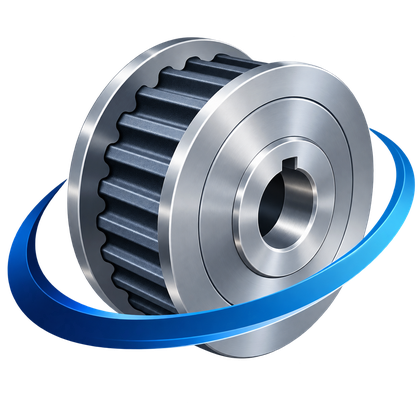
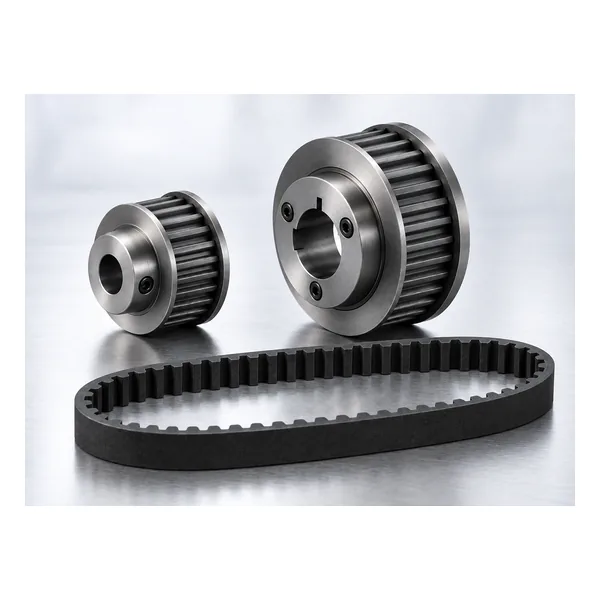
สายพานไทม์มิ่ง HTD สายพานไทม์มิ่ง HTD เหล่านี้ถูกจัดเรียงตามตัวแปรการเลือกที่วิศวกรหรือผู้ซื้อต้องการจริง ๆ ได้แก่ รูปทรง จำนวนฟัน ความกว้างของสายพาน การเชื่อมต่อกับเพลา และโครงสร้าง สายพานไทม์มิ่ง HTD ที่เข้ากันได้กับระบบพูลเลย์ 3M, 5M, 8M และ 14M
วิธีใช้งานผลิตภัณฑ์ในกลุ่มนี้
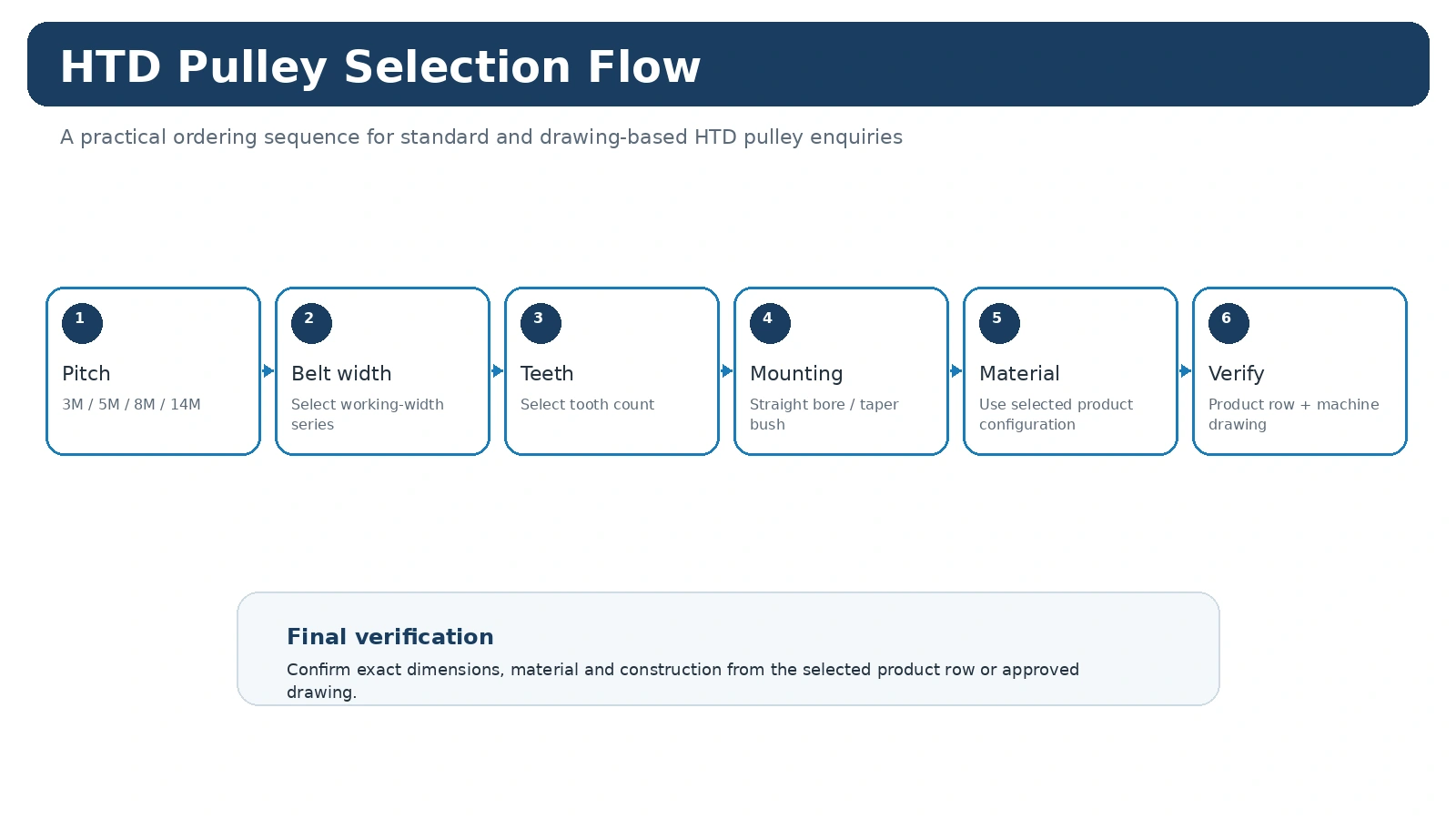
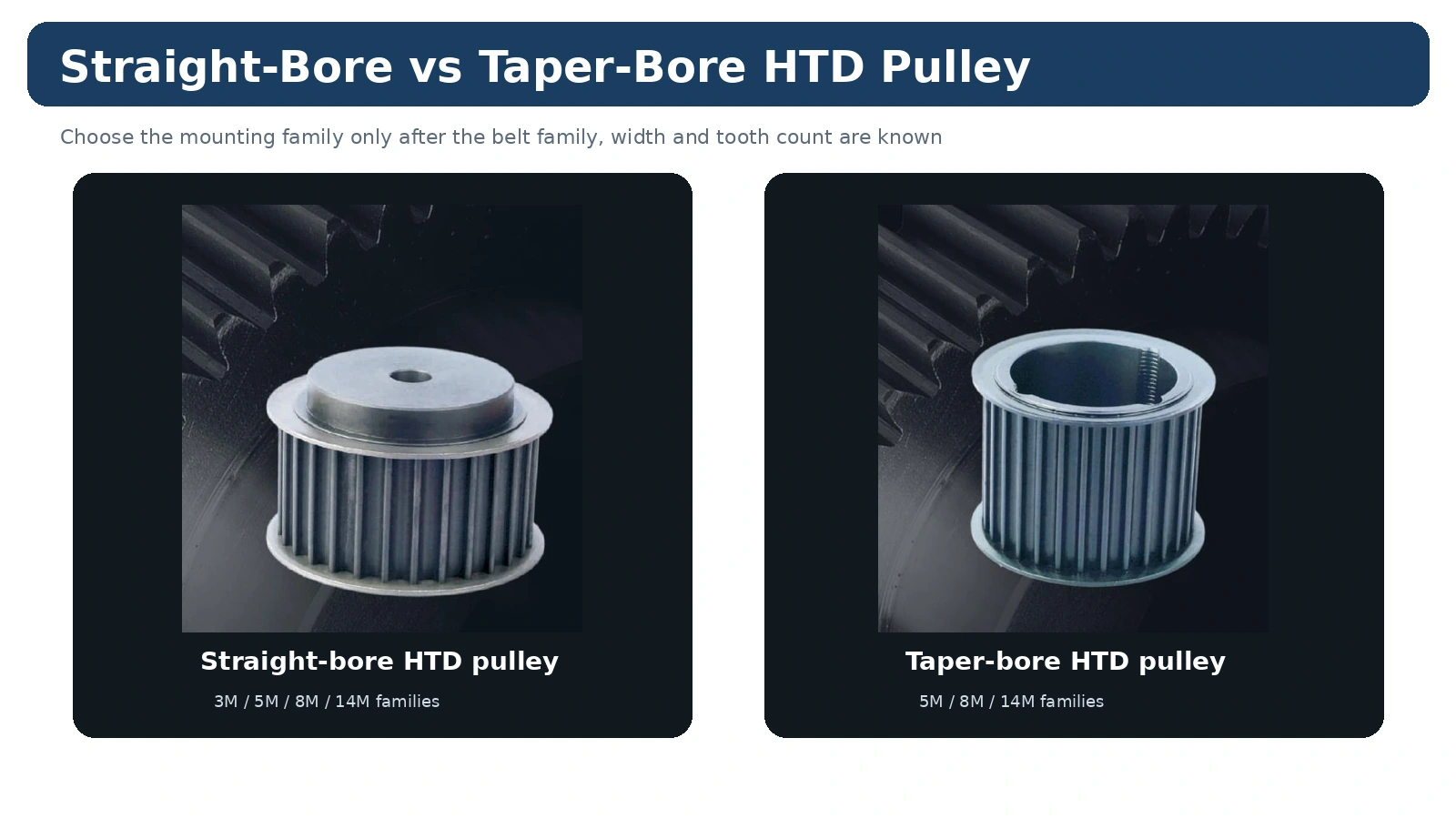
เริ่มต้นด้วยการระบุรายละเอียดของสายพานให้ครบถ้วน จากนั้นระบุจำนวนฟันหรืออัตราส่วนความเร็วที่ต้องการ ความกว้างของหน้าสายพาน และลักษณะการติดตั้ง/ยึดเพลา อย่าเลือกจากเส้นผ่านศูนย์กลางภายนอกเพียงอย่างเดียว หากเป็นการเปลี่ยนสายพาน ให้บันทึกระยะยื่นของดุมและลักษณะหน้าแปลนจากทั้งสองด้านก่อนเปรียบเทียบผลิตภัณฑ์
บัตรข้อมูลผลิตภัณฑ์ด้านล่างจะนำคุณไปยังหน้าที่มีรายละเอียดเพิ่มเติม เช่น ตารางแคตตาล็อก ข้อมูลอ้างอิงขนาด และคำแนะนำในการขอใบเสนอราคา ใช้ตารางผลิตภัณฑ์ด้านล่างเพื่อเปิดหน้าข้อมูลผลิตภัณฑ์โดยละเอียดและเปรียบเทียบรูปแบบแคตตาล็อกที่มีอยู่ในกลุ่มผลิตภัณฑ์นี้
ตัวเลือกผลิตภัณฑ์

การตรวจสอบการกำหนดค่า
ใช้สายพานที่ประกบกันและส่วนต่อประสานของเครื่องจักรเป็นอินพุตควบคุม ในกรณีที่ผลิตภัณฑ์มาตรฐานไม่พอดีกับเพลาหรือขอบเขตแกน ให้ส่งภาพวาดแทนการปรับขนาดที่ไม่เกี่ยวข้องกันจากหลายชิ้นส่วน
การตรวจสอบความเข้ากันได้และการวัด
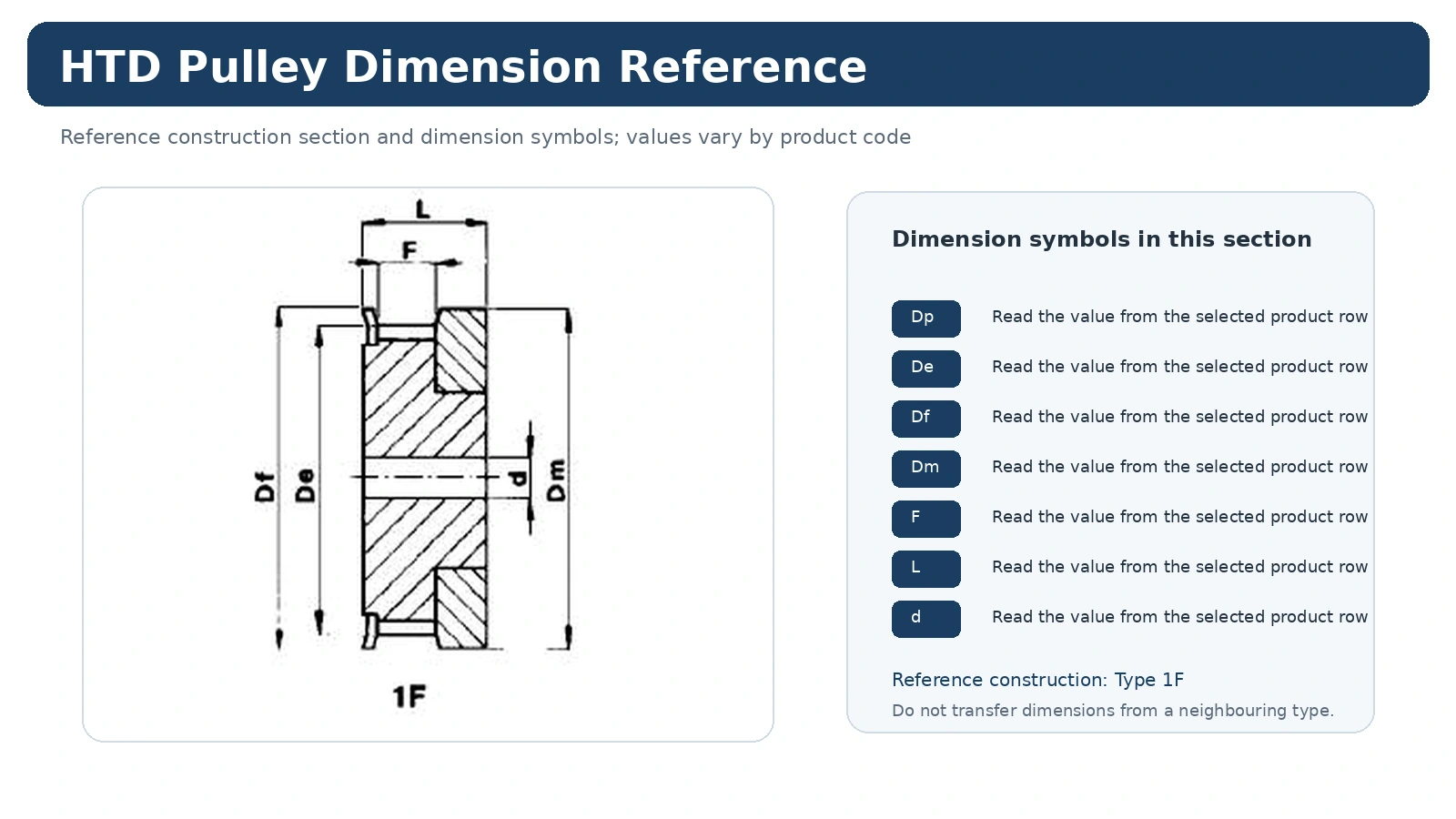
ก่อนสั่งซื้อ โปรดยืนยันระบบฟัน จำนวนฟัน ความกว้างในการทำงาน รู/บูช การยื่นของดุม การจัดเรียงหน้าแปลน และตำแหน่งแนวสายพาน บันทึกข้อกำหนดเรื่องความพอดีหรือการเบี่ยงเบนที่สำคัญใดๆ ลงในแบบ สำหรับโครงการเปลี่ยนชิ้นส่วน โปรดตรวจสอบรอกที่มีอยู่ว่ามีการสึกหรอที่อาจทำให้การวัดผิดเพี้ยนหรือไม่ และตรวจสอบว่ามีการดัดแปลงเพลาหรือการจัดเรียงตัวเว้นระยะหรือไม่
คำแนะนำด้านวิศวกรรมที่เกี่ยวข้อง
ใช้ คู่มือการเลือกพูลเลย์ HTD สำหรับลำดับการตัดสินใจที่สมบูรณ์ โปรดดูที่ การจับคู่สายพานและรอก เมื่อทราบรหัสสายพานแล้ว ให้ทำการตรวจสอบ หน้าแอปพลิเคชัน สำหรับการตรวจสอบเฉพาะเครื่อง
ตรวจสอบชนิดของสายพานก่อนเสนอราคาสำหรับรอกที่เหมาะสม
เมื่อสามารถอ่านเครื่องหมายบนสายพานได้ ให้คงรายละเอียดการกำหนดทั้งหมดไว้ในคำถาม แทนที่จะลดเหลือเพียงหมายเลขระยะห่างของฟันเฟือง การระบุความกว้างและประเภทของสายพานจะช่วยให้การตัดสินใจเกี่ยวกับด้านสายพานแยกออกจากส่วนต่อประสานระหว่างเพลาและรอกได้
หากสายพานชำรุดหรือเครื่องหมายไม่ชัดเจน โปรดส่งรูปถ่ายและข้อมูลรอกเดิมมาด้วย ควรตรวจสอบชุดสายพานทดแทนจากบันทึกการขับเคลื่อนทั้งหมด ไม่ใช่จากความคล้ายคลึงกันทางสายตาเพียงอย่างเดียว
คำถามที่พบบ่อยเกี่ยวกับสายพานไทม์มิ่ง HTD
ข้อมูลใดบ้างที่จำเป็นสำหรับการขอใบเสนอราคา?
โปรดส่งรายละเอียดของสายพาน/รูปทรง ฟันสายพาน ความกว้างของสายพาน เพลาหรือบูช จำนวน และปลายทาง โปรดแนบภาพวาดสำหรับดุม หน้าแปลน วัสดุ การตกแต่ง หรือข้อกำหนดการตรวจสอบที่ไม่เป็นไปตามมาตรฐาน
สามารถตรวจสอบรอกเก่าจากรูปถ่ายได้หรือไม่?
ภาพถ่ายช่วยในการระบุโครงสร้างได้ แต่จำเป็นต้องทราบขนาดและเครื่องหมายของสายพานที่ประกบกันก่อนจึงจะสามารถยืนยันการเปลี่ยนชิ้นส่วนได้
รอกทุกตัวที่มีระยะห่างฟันเฟืองเท่ากัน สามารถใช้แทนกันได้หรือไม่?
ไม่ครับ ต้องตรวจสอบตระกูลฟันเฟืองและส่วนต่อประสานทางกลให้แน่ชัด ระยะห่างของฟันเฟืองที่ระบุไว้เพียงอย่างเดียวไม่เพียงพอสำหรับการตัดสินใจเปลี่ยนฟันเฟืองครับ
โปรดตรวจสอบความเข้ากันของสายพานและรอกก่อนยืนยันคำสั่งซื้อ
ใช้ข้อมูลการทำเครื่องหมายบนสายพานทั้งหมดเพื่อระบุตระกูล HTD และความกว้างในการทำงานก่อนเลือกแถวรอก หมายเลขระยะห่างฟันเฟืองที่ใช้ร่วมกันไม่สามารถใช้แทนการยืนยันตระกูลฟันเฟืองที่ต้องการได้ โดยเฉพาะอย่างยิ่งเมื่อเกี่ยวข้องกับโปรไฟล์โค้งแบบเดิมหรือแบบใกล้เคียงกัน
สำหรับการเปลี่ยนชิ้นส่วน ให้ตรวจสอบทั้งสายพานและรอกว่ามีการสึกหรอหรือไม่ ความเสียหายที่ขอบ การขัดเงาของหน้าแปลน หรือการสัมผัสของฟันที่ไม่สม่ำเสมอ อาจบ่งชี้ถึงปัญหาการจัดแนวหรือตำแหน่งของเพลา ซึ่งควรได้รับการแก้ไข แทนที่จะคัดลอกไปยังชุดชิ้นส่วนใหม่
เข็มขัดคือขั้นตอนแรกในการตรวจสอบความเข้ากันได้
การเลือกใช้รอกแบบซิงโครนัสอย่างปลอดภัยนั้น ไม่สามารถทำได้โดยพิจารณาจากเส้นผ่านศูนย์กลางของฟันเฟืองเพียงอย่างเดียว ควรเริ่มต้นด้วยการกำหนดคุณสมบัติของสายพานอย่างครบถ้วน และยืนยันตระกูลฟันเฟือง HTD จากนั้นจึงยืนยันความกว้างของสายพาน จำนวนฟันของรอกจะเป็นตัวกำหนดความสัมพันธ์ระหว่างความเร็วและขนาดทางกายภาพ ในขณะที่ส่วนต่อประสานกับเพลาจะเป็นตัวกำหนดวิธีการติดตั้งรอกที่เลือก ไม่ควรสันนิษฐานว่าสายพานที่มีจำนวนฟันเฟืองเท่ากันแต่มีระบบฟันเฟืองต่างกันนั้นสามารถใช้งานร่วมกันได้
สำหรับการเปลี่ยนชิ้นส่วน ควรเก็บข้อมูลของสายพานและรอกเก่าไว้ด้วยกันจนกว่าจะยืนยันแหล่งที่มาได้ หากเครื่องหมายบนสายพานหายไป การนับฟัน การวัดระยะห่างระหว่างฟัน ความกว้าง และภาพถ่ายลักษณะฟันที่ชัดเจน จะมีประโยชน์มากกว่าการคาดเดาจากเส้นผ่านศูนย์กลางภายนอก
ลำดับการจับคู่
- อ่านรายละเอียดบนสายพานทั้งหมดและระบุตระกูล HTD ให้ชัดเจน
- บันทึกความกว้างของสายพานและจำนวนฟันของรอกขับและรอกตาม
- ตรวจสอบความกว้างและโครงสร้างของผลิตภัณฑ์ในแคตตาล็อกรอกอีกครั้ง
- ตรวจสอบระยะห่างระหว่างศูนย์กลาง แนวสายพาน จุดเชื่อมต่อเพลา และการเข้าถึงการติดตั้ง
- เผยแพร่แถวรอกหรือภาพวาดที่ถูกต้องพร้อมกับหมายเลขอ้างอิงสายพานที่ตรงกัน
เมื่อออกแบบระบบขับเคลื่อนใหม่ ให้ระบุความสัมพันธ์ระหว่างความเร็ว อัตราการทำงาน และระยะห่างระหว่างศูนย์กลาง เพื่อให้สามารถตรวจสอบการจัดเรียงสายพานและรอกเป็นระบบเดียวกันได้
สิ่งที่ไม่ควรตีความจากรหัสเข็มขัด
รหัสผลิตภัณฑ์ของสายพานช่วยระบุรูปทรงของฟันเฟือง แต่ไม่ได้กำหนดขนาดรูของรอก ดุม ขอบ หรือวัสดุ ส่วนเหล่านั้นยังคงต้องพิจารณาเมื่อเลือกใช้รอก เช่นเดียวกัน รหัสผลิตภัณฑ์ของรอกไม่ได้ยืนยันความยาวของสายพานหรือระยะห่างระหว่างศูนย์กลางที่ติดตั้งไว้ ควรตรวจสอบเอกลักษณ์ของชิ้นส่วนและรูปทรงเรขาคณิตของระบบแยกกัน
ข้อมูลเกี่ยวกับสายพานทดแทนควรเก็บไว้พร้อมกับบันทึกข้อมูลรอก
เมื่อทีมบำรุงรักษาเปลี่ยนสายพานและรอกในเวลาที่ต่างกัน ข้อมูลผลิตภัณฑ์อาจสูญหายได้ จึงควรบันทึกข้อมูลตระกูลสายพาน ความกว้าง จำนวนฟันรอก และระยะห่างระหว่างศูนย์กลางไว้ในบันทึกการบำรุงรักษาเดียวกัน หากโครงสร้างของสายพานเปลี่ยนแปลงไป ควรตรวจสอบข้อกำหนดในการปรับความตึงและการใช้งาน แทนที่จะคิดว่าการตั้งค่าการติดตั้งครั้งก่อนยังคงใช้ได้เหมือนเดิม
สำหรับการขอใบเสนอราคา (RFQ) โปรดส่งข้อมูลการทำเครื่องหมายบนสายพานให้ตรงตามที่พิมพ์ไว้ทุกประการเมื่อสามารถอ่านได้ชัดเจน หลีกเลี่ยงการย่อชื่อให้เหลือเพียงระยะห่างของฟันเฟือง เนื่องจากข้อมูลตระกูลหรือความกว้างที่ขาดหายไปอาจเป็นส่วนที่ใช้แยกแยะรอกที่เข้ากันได้
รักษาข้อมูลไดรฟ์ให้ครบถ้วนหลังจากการติดตั้ง
บันทึกรหัสสายพานที่ติดตั้ง จำนวนฟันของรอก และข้อมูลซีรี่ส์ความกว้างไว้ในเอกสารประกอบเครื่องจักร หากมีการปรับความตึงของสายพานหรือมีการเปลี่ยนแปลงโครงสร้างของสายพานระหว่างการบำรุงรักษา ให้จดบันทึกการเปลี่ยนแปลงและตรวจสอบคำแนะนำการติดตั้งที่เกี่ยวข้อง ผู้ซื้อในอนาคตควรจะสามารถระบุส่วนประกอบที่ประกบกันทั้งสองชิ้นได้โดยไม่ต้องถอดชิ้นส่วนเครื่องจักร
เมื่อสั่งซื้อสายพานและรอกพร้อมกัน ให้ระบุข้อมูลอ้างอิงทั้งสองอย่างไว้ในใบขอใบเสนอราคา (RFQ) เดียวกัน วิธีนี้จะช่วยให้สามารถตรวจสอบขนาดฟันเฟืองและความกว้างในการทำงานของสายพานและรอกได้พร้อมกัน ในขณะที่ส่วนต่อประสานระหว่างสายพานและรอกกับเพลาจะยังคงเป็นข้อกำหนดที่แยกต่างหากและระบุอย่างชัดเจน