Poulies de distribution HTD pour machines de traitement Le choix de la poulie doit se faire en fonction de la charge de la machine et du système de courroie, et non uniquement en fonction du diamètre. Sur les équipements de production nécessitant un engagement précis de la courroie et un rapport de transmission constant, la précision et la fiabilité de la poulie de distribution dépendent de l'ensemble arbre, courroie, roulement et système de tension.
Contexte machine et cycle de service
Consignez la vitesse du moteur, la vitesse ou le rapport de transmission, le couple ou la puissance attendus, le nombre de démarrages par heure, le fonctionnement en marche arrière, l'entraxe et les heures de fonctionnement. Documentez également la contamination, la température, l'exposition au lavage ou à la poussière et l'accessibilité pour la maintenance. Ces informations permettront de déterminer si le projet doit être réalisé avec une poulie standard du catalogue ou avec une interface pilotée par dessin.
Variables de sélection
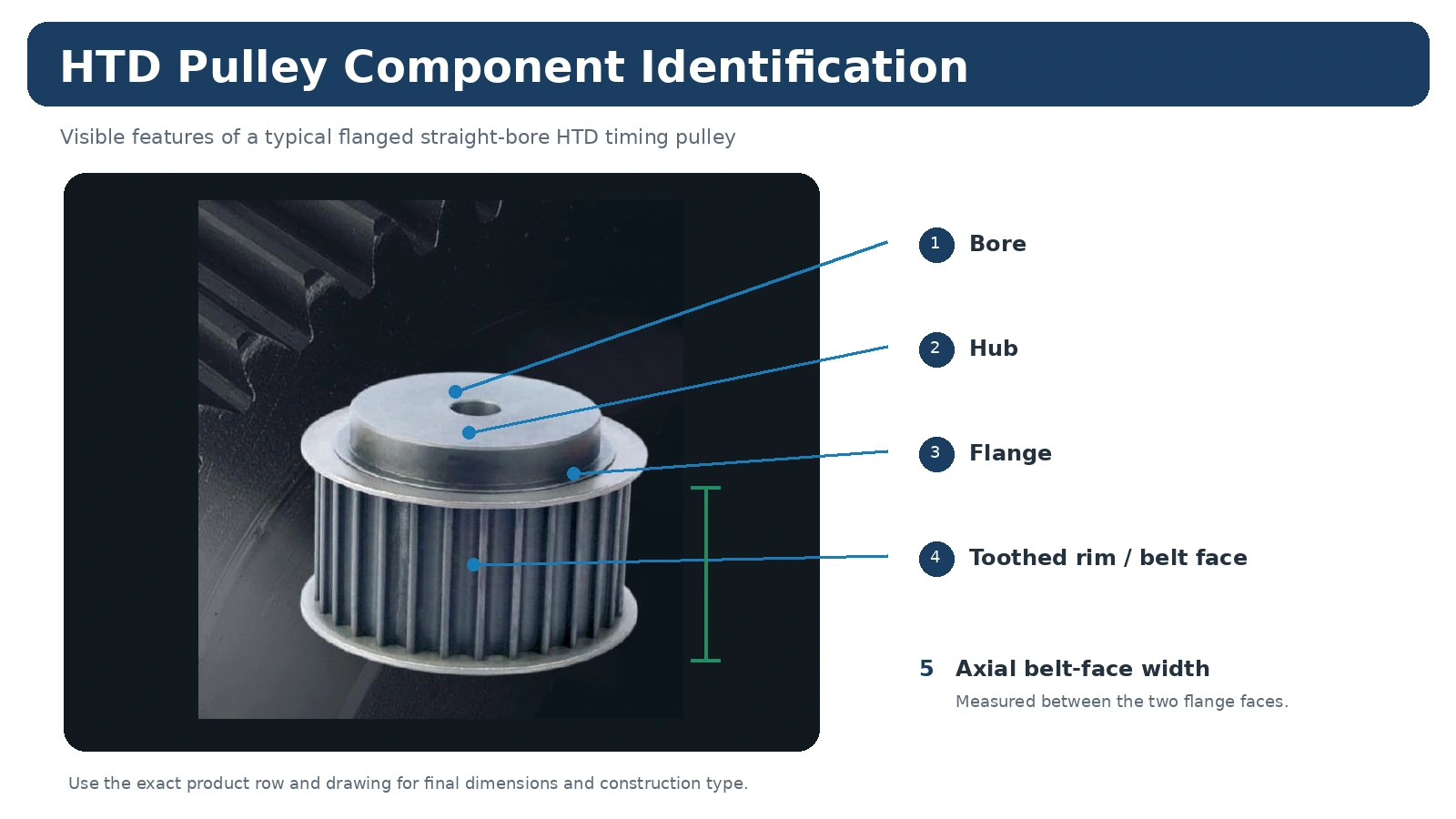
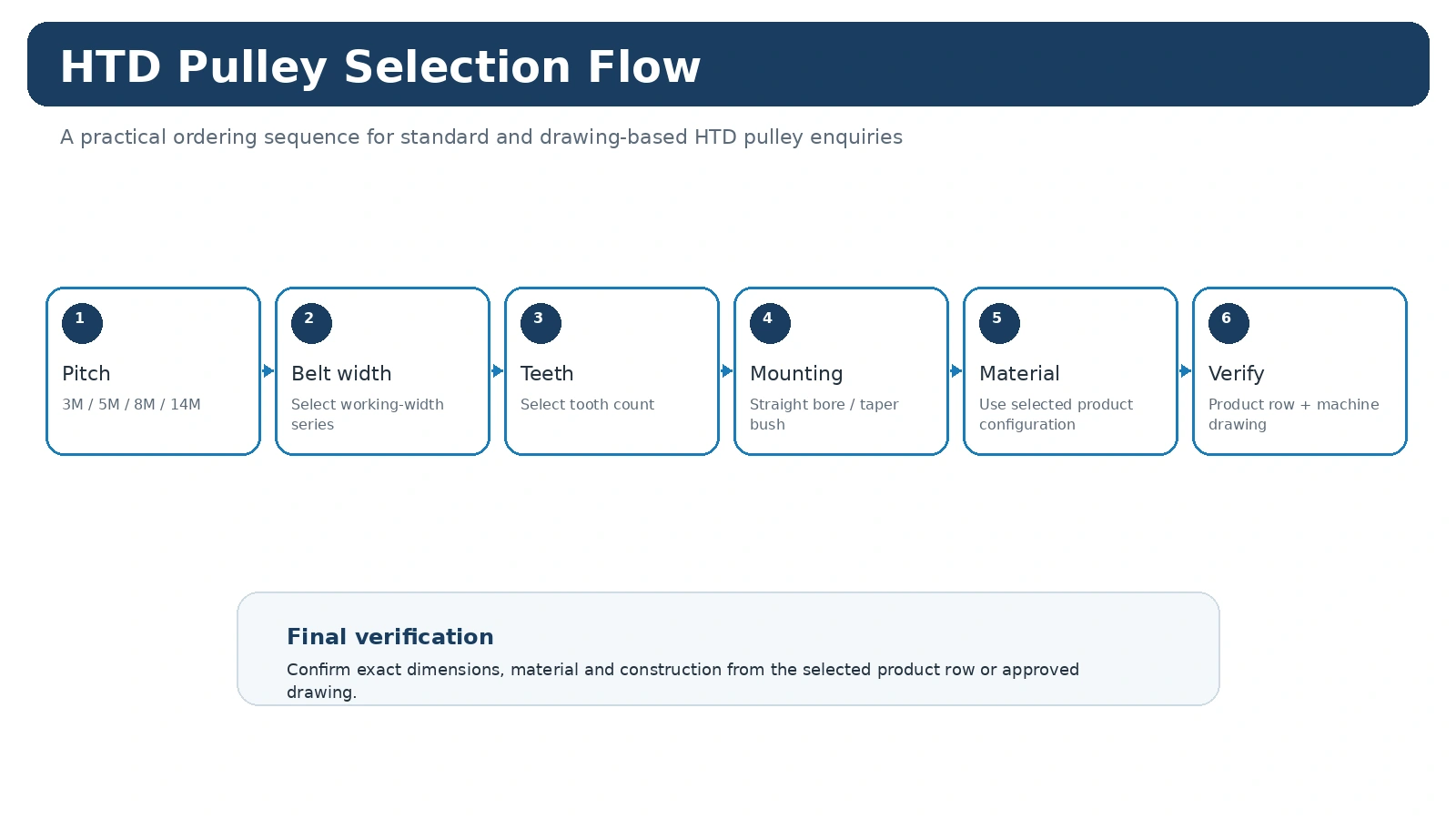
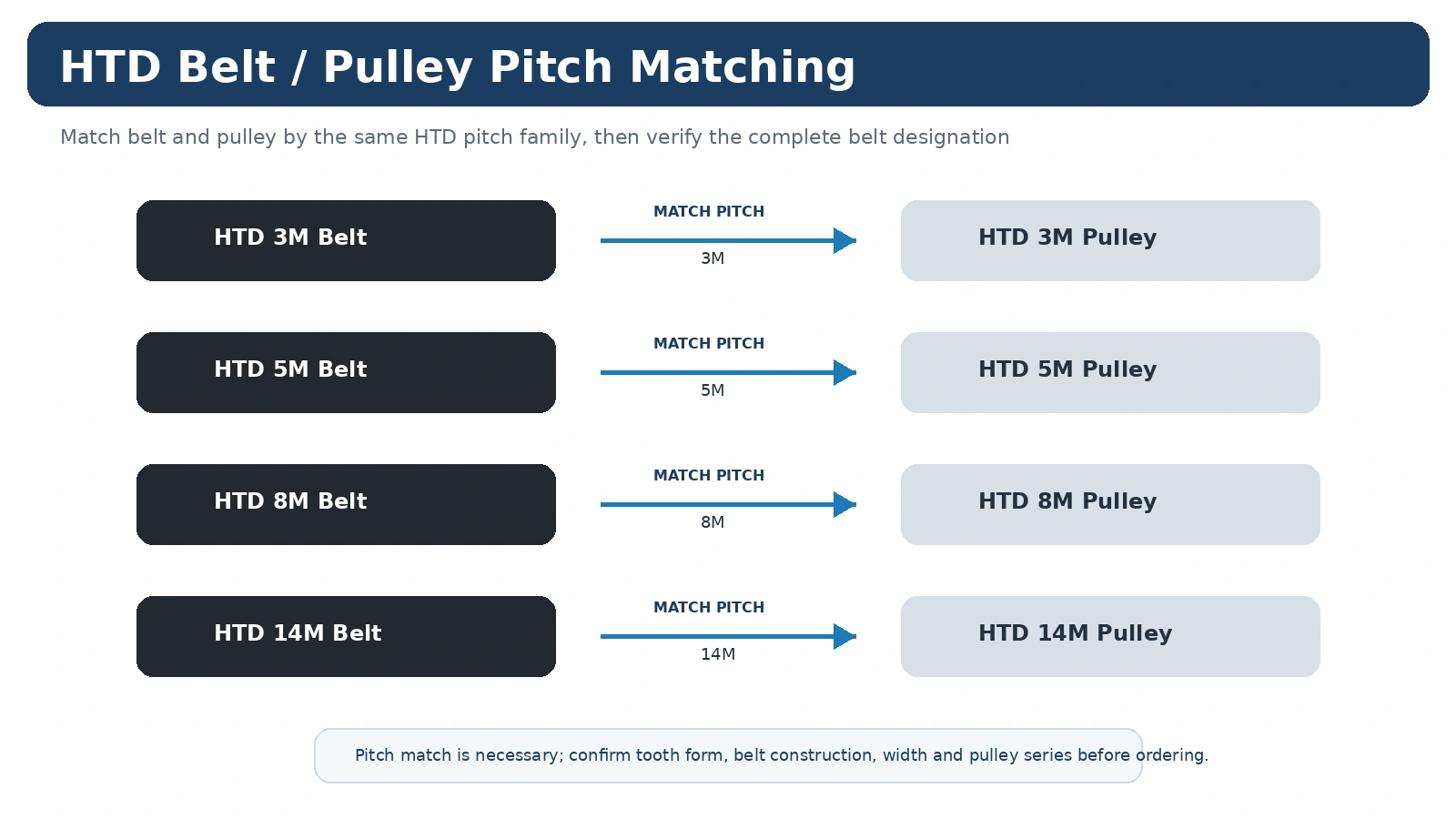
Vérifiez d'abord la famille de courroies HTD exacte. Sélectionnez ensuite le nombre de dents, la largeur de travail et le montage sur l'arbre. Les courroies 3M et 5M conviennent aux transmissions compactes ; les courroies 8M et 14M sont destinées aux installations industrielles plus importantes, mais le choix final dépend du calcul de la transmission et des caractéristiques de la courroie. La saillie du moyeu et la disposition des flasques doivent être compatibles avec l'encombrement physique de la machine.
Contrôles d'intégration et de sécurité
Alignez les faces des poulies et les arbres, veillez à ce que les protections et les composants adjacents ne gênent pas le passage de la courroie et utilisez les spécifications du fournisseur de courroie ou les données de conception de la machine pour le réglage de la tension. Après la mise en service, vérifiez le suivi des bords et le maintien des poulies. Si la transmission assure une fonction critique pour la sécurité, appliquez l'évaluation des risques et les exigences de validation du constructeur de la machine plutôt que de vous fier à une fiche technique générale.
Préparation de la demande de prix
Veuillez envoyer le marquage de la courroie, le rapport de réduction souhaité ou le nombre de dents de la poulie, la largeur de la courroie, l'interface avec l'arbre, l'entraxe, les informations de service, la quantité et un dessin ou un croquis de la machine. Comparer Familles de poulies HTD, utilisez le guide de sélectionou examiner planification des inspections avant de passer la commande.
Décrivez la station de traitement locale
Les équipements de traitement sont soumis à des conditions de service et environnementales très variées. Avant de choisir une famille de poulies, il est essentiel d'identifier le système de synchronisation, sa relation de vitesse, la disposition des arbres, l'entraxe et l'environnement local.
Pour un remplacement, conservez le marquage de la courroie et les dimensions d'installation. Si des informations relatives au lavage, à la chaleur, aux résidus ou à une documentation spécifique sont pertinentes, veuillez l'inclure dans la demande de devis en précisant la configuration commandée.
Traduire le besoin en ressources machine en une demande de devis pour une poulie
Dans les équipements de production et de transformation à arbres ou alimentateurs synchronisés, la poulie doit être choisie comme élément de la transmission synchrone et non comme roue isolée. Il convient de consigner le cycle de service, la température, la contamination, la méthode de nettoyage et l'accessibilité pour la maintenance. Pour une nouvelle transmission, il faut également indiquer la vitesse du moteur, la vitesse ou le rapport de la poulie menée, le couple ou la puissance, l'entraxe et le nombre d'heures de fonctionnement. Ces données définissent le contexte d'utilisation de la courroie et du nombre de dents ; elles ne remplacent pas les spécifications géométriques du catalogue.
Pour toute intervention de remplacement, photographiez le cheminement de la courroie et les deux faces de la poulie avant démontage. Le marquage de la courroie, la surface de contact, le nombre de dents, le contact avec l'arbre et la saillie du moyeu sont généralement plus utiles que le seul diamètre extérieur.
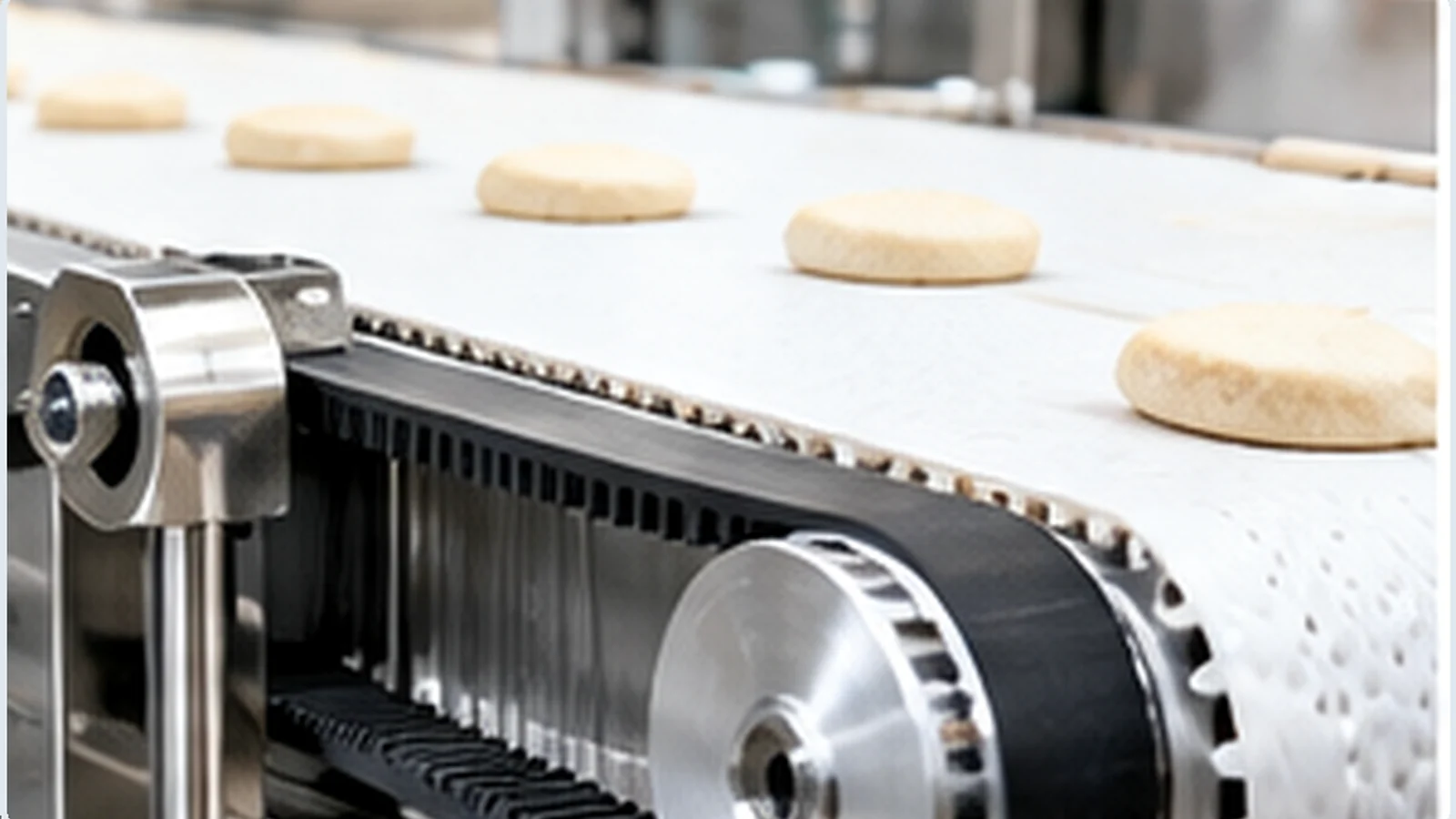
Vérifications d'intégration avant la mise en production
Vérifiez que la poulie choisie maintient la courroie dans le plan de la machine et laisse suffisamment d'espace pour les protections, les roulements et les éléments de fixation adjacents. Examinez la procédure d'installation et de démontage ; un moyeu par ailleurs correct peut s'avérer inutilisable s'il gêne l'accès pour la maintenance.
Si l'application présente des problèmes récurrents de suivi, d'usure des bords ou de tension, notez ces symptômes avant de modifier la géométrie de la poulie. L'alignement, le support des roulements, l'état de l'arbre et l'installation peuvent engendrer des symptômes qui ne doivent pas être automatiquement imputés à la poulie.
Que faut-il joindre à la demande ?
Indiquez l'identification complète de la courroie (HTD ou autre), le nombre de dents, la largeur de travail, les informations d'alésage ou de conicité, la quantité et la destination. Pour une machine neuve, ajoutez les données de service essentielles ; pour un remplacement, ajoutez des photos et les dimensions de l'ancienne pièce. Mentionnez sur le dessin toute exigence particulière concernant les matériaux, la finition, les tolérances ou le contrôle qualité afin qu'elle puisse être comparée à la gamme de produits sélectionnée.
Informations importantes concernant la maintenance des poulies de distribution HTD pour machines de traitement
Une fois le système d'entraînement mis en service, consignez dans la documentation machine la désignation de la courroie installée, la série de poulies, le nombre de dents et les détails de montage. Notez toute révision de plan utilisée pour un moyeu ou un alésage spécifique. Si une intervention ultérieure modifie l'arbre, la bague ou la courroie, mettez à jour la documentation au lieu de vous fier à l'historique d'achats antérieur.
Ce petit enregistrement rend les dépannages futurs plus fiables, car la maintenance peut distinguer l'usure normale d'un changement de configuration survenu lors d'une réparation précédente.
Questions relatives au fonctionnement de la machine de traitement
Avant de choisir une famille de poulies, documentez la séquence de processus, les vitesses de rotation requises, le cycle de charge, l'environnement de nettoyage, le contexte de température, l'entraxe et les protections. Ces données définissent les exigences du variateur synchrone. Le tableau des produits permet ensuite de comparer le nombre de dents, les gammes de largeurs et la géométrie de montage, sans se fier uniquement au nom de l'application pour déterminer la capacité.
L'objectif pratique est d'obtenir un mouvement synchronisé et répétable au sein de la configuration du processus. Après toute modification envisagée, il est impératif de vérifier l'ensemble du système d'entraînement, car l'étiquette d'application seule ne permet pas de déterminer le couple, le pas ni une pièce de rechange sûre ; les entrées du système d'entraînement doivent être définies. Si une machine existante ne dispose d'aucun schéma, conservez les marquages de la courroie et les photographies prises avant le démontage, ainsi que le relevé des mesures, afin de pouvoir comparer le remplacement à l'installation réelle.
Contexte d'installation et de maintenance
Vérifiez l'alignement de la courroie entre la poulie menante et la poulie menée, assurez-vous que les arbres sont supportés et alignés, et vérifiez que les protections, les composants adjacents et les outils d'entretien disposent d'un dégagement suffisant. Une poulie aux dimensions proches peut néanmoins s'avérer inadaptée si un moyeu plus long, une bague différente ou un agencement de bride différent déplace la courroie hors de son plan initial.
Lors de la maintenance, inspectez l'état des dents et des brides ainsi que l'usure de la courroie. Une usure anormale des bords, une accumulation de poussière ou des corrections répétées du suivi peuvent indiquer un problème d'alignement, de support ou de contamination qui doit être résolu avant l'installation du nouveau composant.
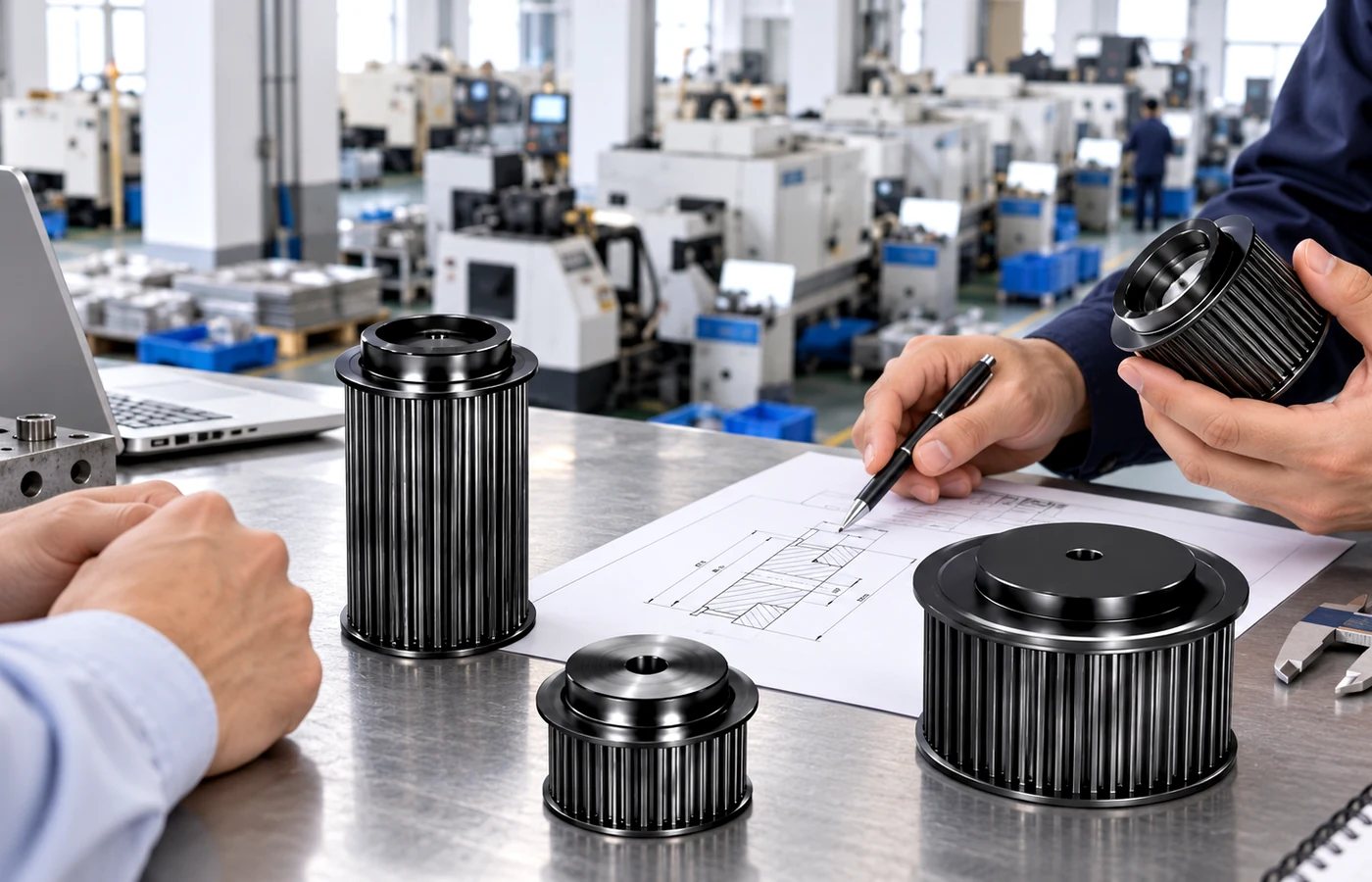
Données de la demande de devis pour la machine de traitement
Veuillez indiquer la famille de profils/HTD, le nombre de dents, la largeur de la courroie, les informations relatives à l'arbre ou à la bague, la quantité et la destination. Pour une nouvelle transmission, précisez la relation de vitesse, l'entraxe et les conditions de fonctionnement. Pour un remplacement, veuillez joindre des photos nettes et les dimensions déterminant l'alignement de la courroie et la position du moyeu. Toute exigence particulière concernant les matériaux, la finition, le marquage, le contrôle ou la documentation doit être mentionnée dans la demande de devis ou sur le plan avant la validation de la production.