HTD 8M Timing Pulley Selection Guide should be approached as a drive-system decision. The useful starting point is the mating belt and machine interface, followed by tooth count, working width, shaft mounting and duty conditions. This guide explains the checks that help an engineer or buyer turn HTD 8M timing pulley selection into an RFQ that can be verified against a catalogue row or drawing.
قبل از مقایسه ابعاد، درایو را شناسایی کنید
For HTD 8M timing pulley selection, identify the complete belt marking before comparing pulley diameters. HTD is a curvilinear synchronous system and the nominal pitch must stay associated with its profile family. Record the driver and driven tooth counts when an existing ratio must be preserved. For a new drive, document the target speed ratio, driver speed and expected load before choosing tooth counts. This prevents a component-level decision from overriding the machine requirement.
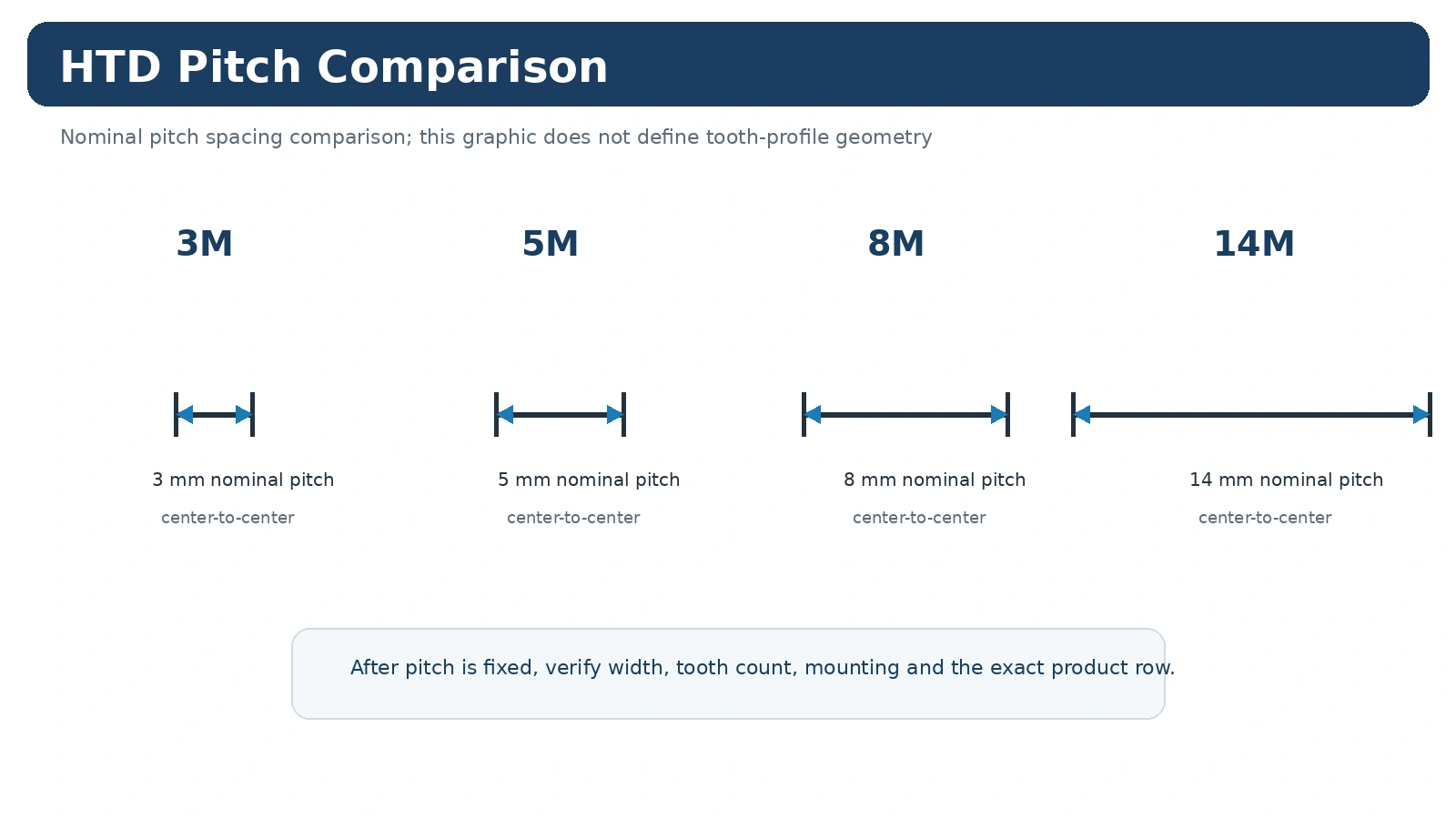
برای یک پروژه تعویض، قبل از تصمیمگیری در مورد معادل بودن یک ردیف کاتالوگ، مقدار اندازهگیری شده را با تسمه نصب شده و چیدمان دستگاه مقایسه کنید. برای یک پروژه جدید، مبنای طراحی را مستند کنید تا تیمهای تعمیر و نگهداری بعدی بتوانند دلیل انتخاب گام، تعداد دندانه و سبک نصب را درک کنند.
ابعادی که نصب را کنترل میکنند
یک قرقره میتواند گام و تعداد دندانهها را مطابقت دهد، اما همچنان به دلیل تفاوت موقعیت سوراخ، توپی، فلنج یا محوری، با دستگاه سازگار نباشد. سطح مشترک شفت، عرض سطح تسمه، برآمدگی توپی در دو طرف و خط تسمه را نسبت به یک مبنای پایدار ماشین اندازهگیری کنید. در جایی که از بوش مخروطی استفاده میشود، هم سری قرقره و هم کد بوش را ثبت کنید. در جایی که سوراخ نهایی مورد نیاز است، تناسب، جای خار و هر روش نگهدارنده را در نقشه لحاظ کنید.
برای یک پروژه تعویض، قبل از تصمیمگیری در مورد معادل بودن یک ردیف کاتالوگ، مقدار اندازهگیری شده را با تسمه نصب شده و چیدمان دستگاه مقایسه کنید. برای یک پروژه جدید، مبنای طراحی را مستند کنید تا تیمهای تعمیر و نگهداری بعدی بتوانند دلیل انتخاب گام، تعداد دندانه و سبک نصب را درک کنند.
شرایط عملیاتی که در انتخاب قرار دارند
The same nominal HTD 8M timing pulley selection component can see very different service depending on the machine. Starts per hour, reversing, shock loading, continuous operating time, temperature, contamination, cleaning and access for tensioning all influence the drive. A compact automation axis emphasizes repeatable motion and controlled alignment, while a conveyor or process machine may emphasize continuous duty and service access. Supply these conditions instead of asking the pulley to be selected from size alone.
برای یک پروژه تعویض، قبل از تصمیمگیری در مورد معادل بودن یک ردیف کاتالوگ، مقدار اندازهگیری شده را با تسمه نصب شده و چیدمان دستگاه مقایسه کنید. برای یک پروژه جدید، مبنای طراحی را مستند کنید تا تیمهای تعمیر و نگهداری بعدی بتوانند دلیل انتخاب گام، تعداد دندانه و سبک نصب را درک کنند.
نکات بازرسی قبل از نصب
بازرسی باید بر ابعادی که بر درایو تأثیر میگذارند تمرکز کند: سطح مشترک شفت، موقعیت محوری، وضعیت دندانه، عرض رویه و هرگونه انحراف یا رابطه مبنا که توسط نقشه کنترل میشود. یک بیانیه کیفیت عمومی، پذیرش را تعریف نمیکند. اگر گزارش ابعادی، سند مواد یا سابقه خاص سفارش مورد نیاز است، قبل از تولید آن را مشخص کنید. در طول نگهداری، مراقب آسیب فلنج، سایش لبه، خرده ریزها و علائمی باشید که نشان میدهد قرقره روی شفت حرکت کرده است.
برای یک پروژه تعویض، قبل از تصمیمگیری در مورد معادل بودن یک ردیف کاتالوگ، مقدار اندازهگیری شده را با تسمه نصب شده و چیدمان دستگاه مقایسه کنید. برای یک پروژه جدید، مبنای طراحی را مستند کنید تا تیمهای تعمیر و نگهداری بعدی بتوانند دلیل انتخاب گام، تعداد دندانه و سبک نصب را درک کنند.
سوالات باز برای بستن قبل از سفارش
چه پروفیل و عرض HTD دقیقی نصب یا مشخص شده است؟
چه نسبت یا تعداد دندانهای موجود باید حفظ شود؟
چه نوع چیدمانی برای سوراخ، اتصال، شیار یا بوش مخروطی مورد نیاز است؟
چه مقدار برآمدگی و فضای آزاد فلنج در توپی وجود دارد؟
سرعت، بار، استارت، دنده عقب و ساعات کارکرد چقدر است؟
کدام نقشهها، مواد یا سوابق بازرسی باید همراه با تحویل کالا باشد؟
چه چیزهایی را باید با RFQ ارسال کرد؟
مشخصات، تعداد دندانه، عرض تسمه، رابط شفت، جزئیات توپی/فلنج، مقدار، مقصد و یک نقشه یا طرح اندازهگیری جایگزین را ارسال کنید. سرعت، نسبت، بار، فاصله مرکز و محیط را برای یک درایو جدید اضافه کنید. بررسی کنید خانوادههای محصولات HTD، استفاده از راهنمای انتخابیا موارد مربوطه را مقایسه کنید یادداشتهای کاربردی.
8M Selection Priorities
The 8M range is organised as 8M-20, 8M-30, 8M-50 and 8M-85. Larger diameters and hubs make shaft interface, axial space and handling increasingly important as tooth count grows.
مقادیر اندازهگیری شده، ارجاعات کاتالوگ و الزامات پروژه را به طور واضح از هم جدا نگه دارید. اگر نکتهای مورد نیاز در جدول کاتالوگ مربوطه یا نقشه تأیید شده ذکر نشده است، به جای پر کردن جای خالی با یک مقدار محتمل اما تأیید نشده، آن را به عنوان یک سوال RFQ یا الزام نقشه درج کنید.
Separate Straight-Bore and Taper-Bush Choices
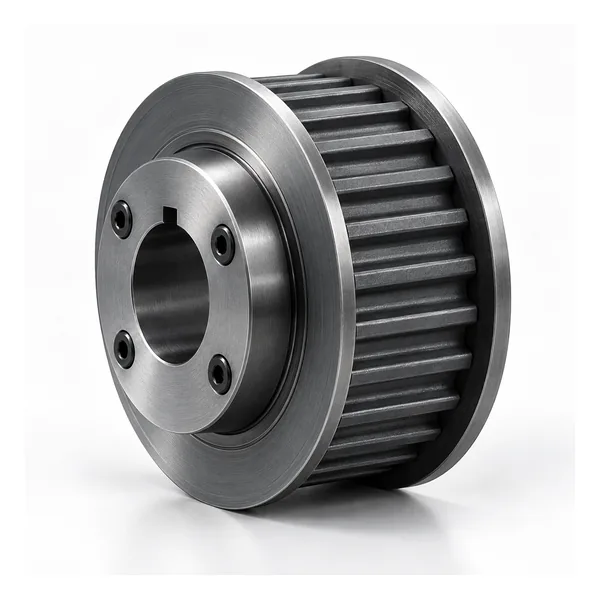
Both mounting routes exist in supported 8M families, but they are not the same product. Keep the selected construction and any bush designation with the tooth-count row.
سابقه خرید باید ارتباط روشنی بین نیاز دستگاه و قرقره انتخاب شده برقرار کند. این بدان معناست که اطلاعات کامل مربوط به مشخصات تسمه یا پروفیل، تعداد دندانه، عرض کاری و رابط شفت به همراه کد محصول باقی میماند. هرگونه ماده خاص، پرداخت، تلرانس کنترلشده، علامتگذاری یا گزارش مورد نیاز باید جداگانه ذکر شود تا با یک ویژگی جهانی کل خانواده اشتباه گرفته نشود.
تدارکات و مستندسازی
پس از مشخص شدن انتخاب، هویت محصول، تعداد، مقصد و اصلاح نقشه پذیرفته شده را در همان خط خرید نگه دارید. قطعات استاندارد کاتالوگ معمولاً بر اساس حداقلهای تعداد تولید برنامهریزی میشوند، در حالی که اقلام بزرگتر یا با ارزش بالاتر را میتوان در برابر ارزش سفارش عملی بررسی کرد. نمونههای واجد شرایط مشتری جدید ۱ تا ۵ قطعهای را میتوان در صورت مناسب بودن پیکربندی و مسیر تولید، با قیمت نمونه بررسی کرد.
سفارشهای مدلهای ترکیبی را میتوان با هم ترکیب کرد و به ارزش عملی حدود ۱۵۰۰ دلار آمریکا رساند. مواد ویژه و فرآیندهای ویژه از حداقل مقدار مورد نیاز آن فرآیند پیروی میکنند. درخواستهای بسیار کوچک یک یا دو قطعهای فقط به عنوان اعتبارسنجی مهندسی واجد شرایط یا نمونههای پولی به جای سفارشهای جایگزین خردهفروشی رسیدگی میشوند.
زمان تحویل پس از مشخص شدن تعریف فنی، تأیید میشود. قطعات استاندارد معمولاً در ۱۰ تا ۲۵ روز کاری، اجزای سفارشی در ۲۰ تا ۴۵ روز کاری و مجموعههای پروژهای یا تجهیزات مرتبط در صورت لزوم در ۴۵ تا ۱۲۰ روز کاری برنامهریزی میشوند. EXW، FOB، CIF و DAP معمولاً پشتیبانی میشوند. FCA، CFR، CPT، CIP و DDP را میتوان برای حمل و نقلهای مناسب مورد بحث قرار داد. این موارد را به عنوان محدودههای برنامهریزی در نظر بگیرید، نه یک وعده حمل و نقل قبل از بررسی سفارش.
یک توالی تصمیمگیری عملی
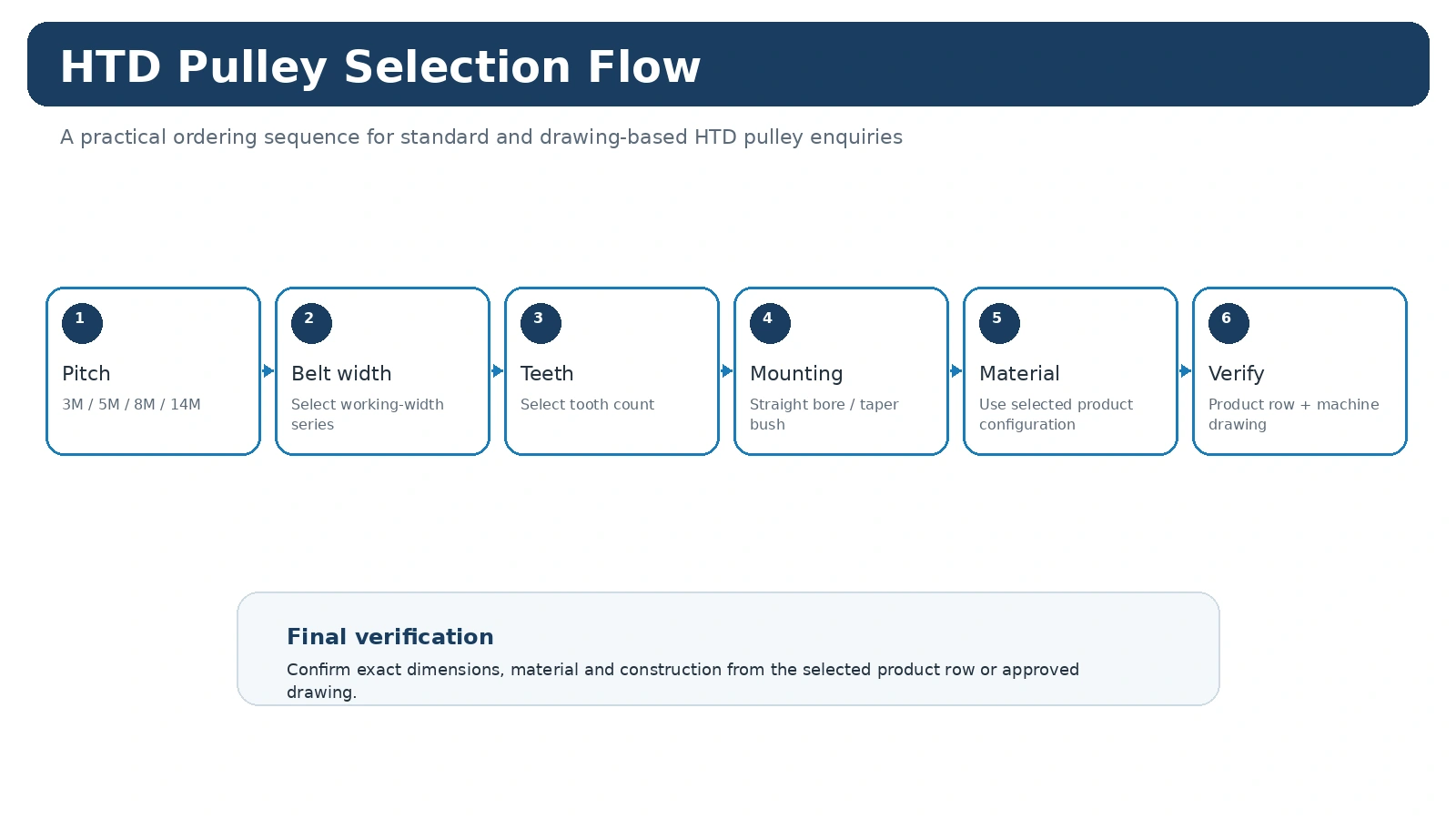
Start with 8 mm HTD family, width code, tooth count and shaft interface. Keep the machine requirement separate from the catalogue choice: first identify what the drive must preserve, then compare only the rows or drawings that match that identity. This keeps a familiar-looking pulley from being accepted before its functional interfaces have been checked.
For an existing machine, preserve the original relationship before making changes. For a new design, record the target ratio, operating context and installation envelope so the 8M selection can be reviewed later without relying on memory or a photograph alone.
ساخت یک رکورد اندازهگیری
The most useful measurement set contains 8M belt marking, tooth count, width series, construction type and bore/bush. Mark which values were measured on the machine and which values came from a catalogue or released drawing. When a feature is inaccessible, photograph its relationship to a stable datum and identify it as confirmation-required rather than filling the gap with an assumed value.
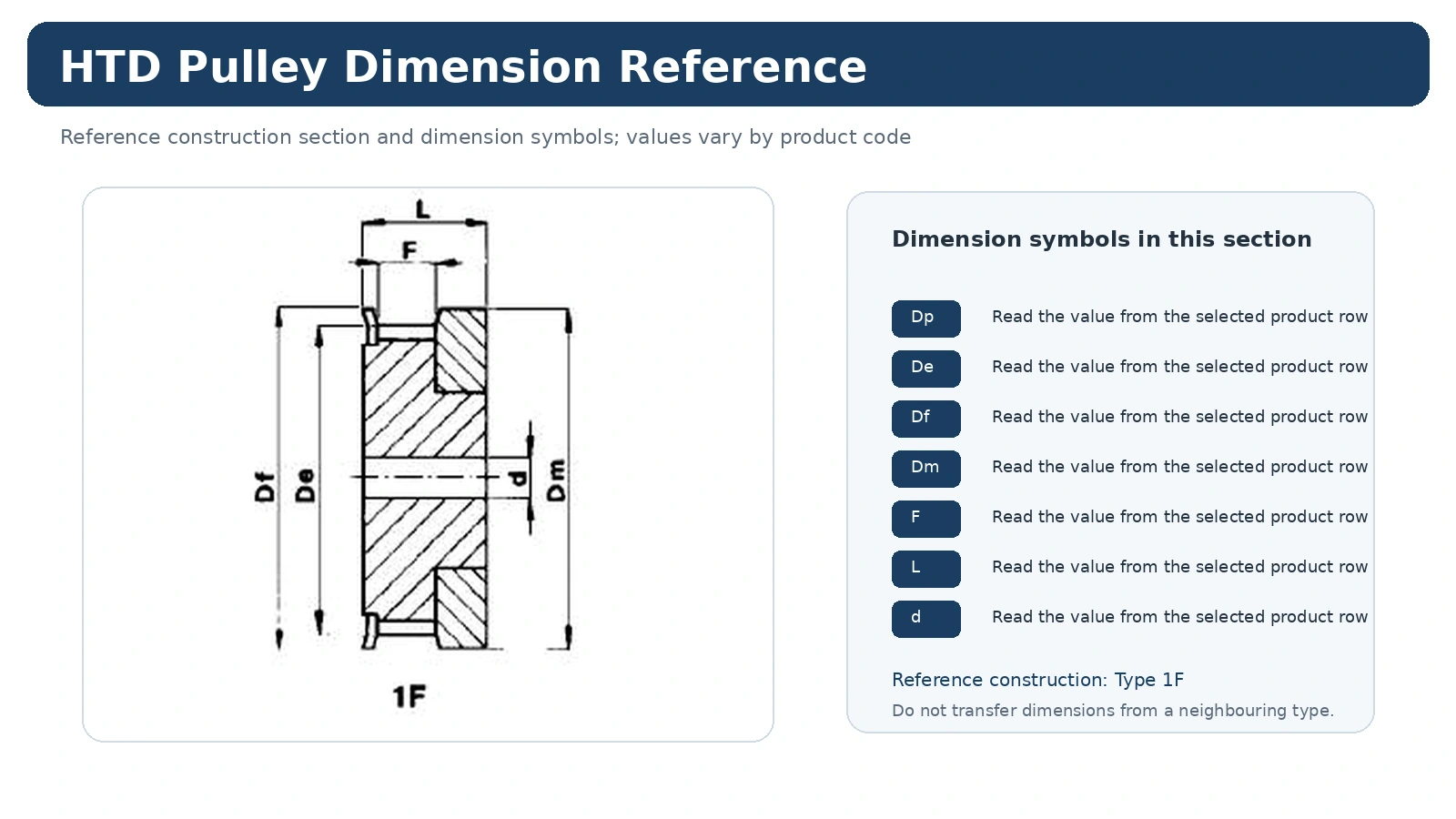
نقشههای ابعاد باید در عرض کامل و خوانا مشاهده شوند. هرگز یک اسکرینشات را مقیاسبندی نکنید و سپس ابعاد مقیاسبندی شده را به عنوان اندازهگیری در نظر نگیرید؛ از مقدار چاپ شده و نوع ساختار صحیح استفاده کنید.
یک حالت شکست که ارزش اجتناب دارد
A common error is choosing from pitch diameter while ignoring construction type. That can produce a part that appears close in the catalogue yet changes ratio, belt line, mounting or service access. Resolve the conflicting feature before requesting price so the quotation refers to one mechanically coherent configuration.
اگر دو پیکربندی کاندید همچنان امکانپذیر است، هم اندازهگیریها و عکسهای دستگاه و هم گزینه مورد نظر را ارسال کنید. سپس میتوان با ارائه پیشفاکتور مشخص کرد که کدام رابط هنوز نیاز به تأیید دارد، به جای اینکه عدم قطعیت را به یک مشخصه تبدیل کند.
انتخاب فنی را به یک گزینه آماده برای ارائه پیشنهاد قیمت تبدیل کنید
خانواده HTD/profile و اطلاعات کامل کمربند را بیان کنید.
تعداد دندانه، عرض کار و ابعاد مربوطه یا منابع نقشه را ارائه دهید.
در صورت لزوم، اطلاعات مربوط به سوراخ یا بوش، شفت، برآمدگی توپی و موقعیت تسمه را تعریف کنید.
مقدار، مقصد، مدارک مورد نیاز و نسخه اصلاحشده نقشه مورد استفاده برای درخواست را اضافه کنید.
وقتی یکی از موارد بالا واقعاً ناشناخته است، برای تأیید آن را برچسبگذاری کنید. یک سؤال باز دقیق مفیدتر از یک مقدار محتمل است که هرگز اندازهگیری نشده است.
سوالاتی که خریداران معمولاً میپرسند
اول باید چی تایید بشه؟
Confirm 8 mm HTD family, width code, tooth count and shaft interface. That prevents later dimensions from being compared across the wrong product family or installation route.
چه اطلاعاتی برای جایگزینی مفیدتر است؟
Send 8M belt marking, tooth count, width series, construction type and bore/bush, plus clear photographs before the old pulley is removed. The photographs preserve axial orientation and neighboring clearances that a loose part cannot show.
چه زمانی باید از نقاشی استفاده کرد؟
هر زمان که ردیف کاتالوگ به طور کامل رابط شفت، چیدمان توپی/فلنج، پرداخت، تلرانس یا الزامات بازرسی مهم برای دستگاه را تعریف نکند، از یک نقشه کنترلشده استفاده کنید.
Pitch Family Is Only the First Branch of the Selection
8M selection still requires working width, tooth count and mounting geometry. Tooth count changes pitch diameter and can also coincide with changes in body type, hub and material across a catalogue family. The correct comparison therefore stays row-specific after the pitch has been chosen. For a new drive, ratio and center distance must be reviewed together with available diameter and guard clearance.
For a replacement, begin with the mating belt and the installed part. If the belt identity is uncertain, avoid choosing a new family only because the measured pitch appears close. Obtain enough measurements and identification detail to identify the tooth system before comparing product rows.
When to Escalate From a Catalogue Row to a Drawing
Use a drawing-controlled order when the shaft connection, hub position, flange arrangement, material, finish or inspection requirement differs from the normal catalogue configuration. Keep standard HTD tooth geometry explicit on the drawing so the custom machining request does not accidentally obscure the mating-belt requirement.
On mixed-model RFQs, keep every width and tooth count on its own line. A general note such as “same as above” can become unsafe once one model uses a different construction type or bush.
Compare the 8M Row Against the Installed Envelope
An 8M replacement should be compared in a simple sequence: first the belt-side identity, then the radial envelope, then the axial envelope. Confirm the 8M belt marking and working width, count the pulley teeth, and compare the corresponding catalogue row. Next check the diameter-related clearances to guards and adjacent components. Finally compare hub projection, overall width and shaft interface from both sides. This sequence is useful because a part can agree with the first two checks yet still move the belt line when the hub arrangement differs.
If the machine uses a taper-bush version, include the bush marking, shaft diameter and installation direction in the same record. Do not treat the bush as a separate purchasing accessory once the pulley row has been chosen; the supported combination is part of the mounting geometry. For straight-bore work, mark any finished bore or keyway requirement on the drawing if it is not already defined by the standard row.
When evaluating a new 8M drive, add the intended speed relationship, center distance, duty pattern and available service space. These inputs do not create a universal rating; they tell the supplier which machine-side constraints must be considered alongside the published component geometry.
Keep 8M Width Series and Tooth Count on the Same Purchase Line
For mixed 8M enquiries, write the width series and tooth count together for every model instead of using a shared note such as “same as above.” The 8M-20, 8M-30, 8M-50 and 8M-85 families do not describe one interchangeable body. Construction type, material and mounting details can change with the individual row, so each order line should preserve the complete identification used during comparison.
If a replacement is being sourced from photographs, use those photographs to establish orientation and surrounding clearance, not to infer hidden dimensions. Confirm the belt marking and take the shaft-side measurements before the old component is discarded. Where a standard row still leaves a machine-specific fit or tolerance undefined, attach the drawing requirement to that exact line.
Review the Larger 8M Envelope Together With Hub and Shaft Requirements
The 8M range includes 8M-20, 8M-30, 8M-50 and 8M-85 width-series pages in both straight-bore and selected taper-bush configurations. As tooth count increases, the pulley envelope and construction details can change substantially, so the model table should be read row by row rather than treated as one generic 8M pulley.
For replacements, record hub projection, flange position and shaft interface in addition to tooth count. Larger pulleys often sit close to guards, bearing housings or adjacent drive elements, and a seemingly minor axial change can prevent installation. For new designs, confirm service access and removal space before the surrounding machine layout is frozen.
Narrower 8M width families; compare exact construction type by tooth count.
Wider 8M families with larger axial envelopes.
Keep mounting family and shaft data with the selected product code.
Put any controlled runout, finish or document requirement on the RFQ or drawing.
Use the 8M page as a catalogue map, not as a universal performance claim. Drive sizing remains tied to the belt system and application conditions; the pulley table controls the geometry and ordering identity.