
Takal Pemasaan HTD 3M disusun di sini oleh pembolehubah pemilihan yang sebenarnya diperlukan oleh jurutera atau pembeli: profil, kiraan gigi, lebar tali sawat, antara muka aci dan pembinaan. Keluarga takal segerak padat untuk pemacu automasi dan kedudukan kecil.
Cara Menavigasi Keluarga Produk Ini
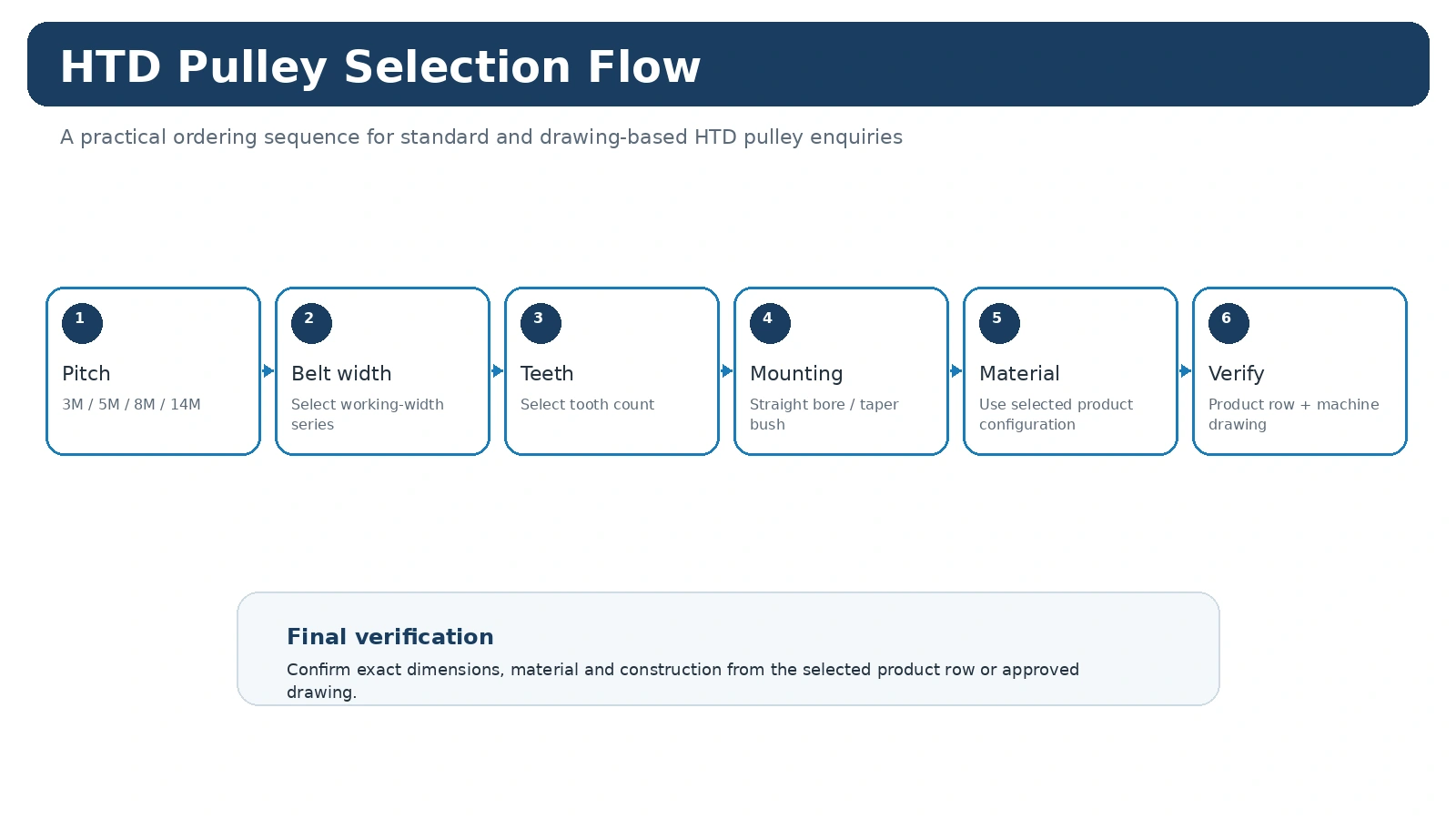
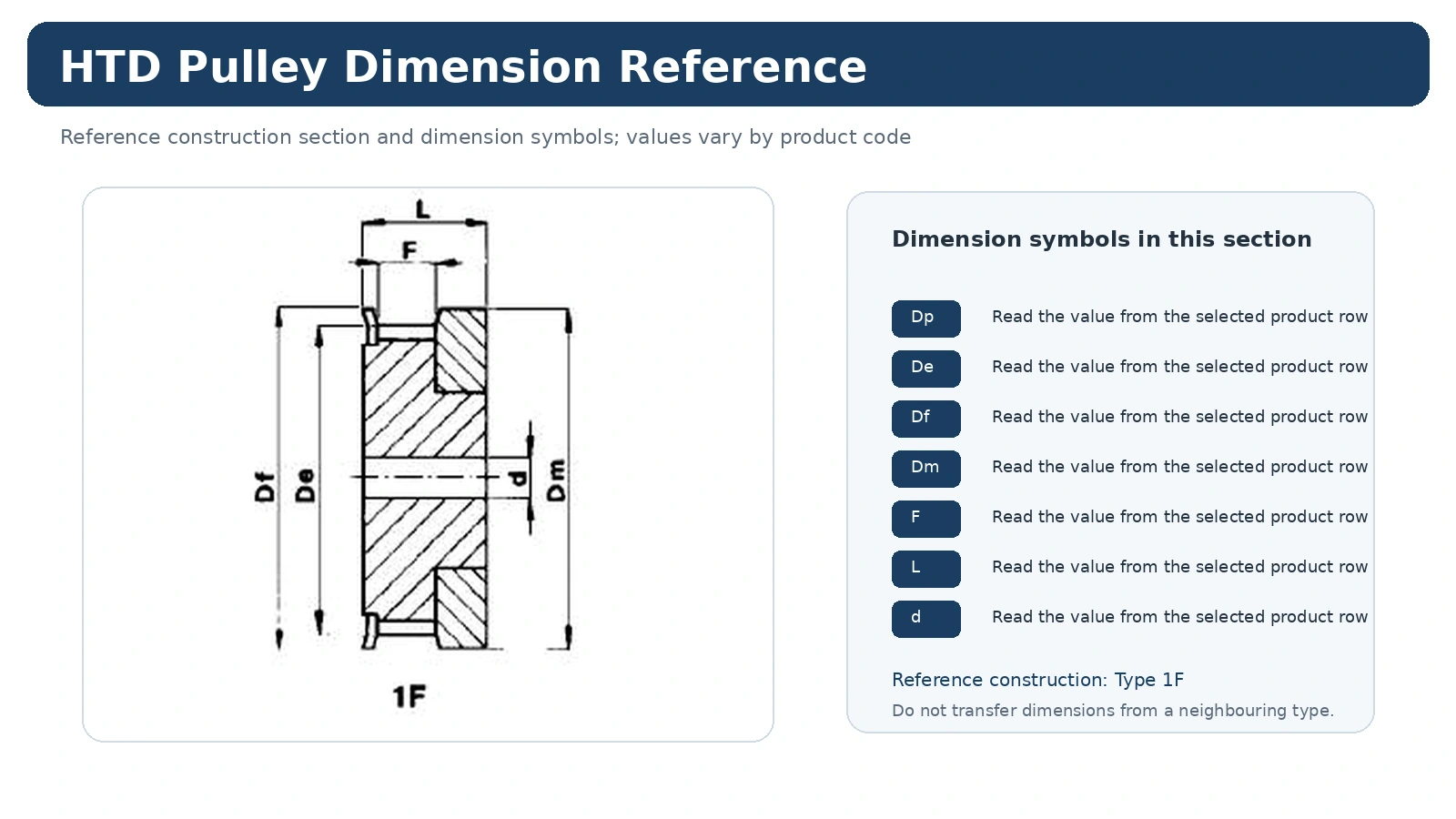
Mulakan dengan penetapan tali sawat yang lengkap. Kemudian, kenal pasti kiraan gigi atau nisbah kelajuan yang diperlukan, lebar permukaan tali sawat dan susunan aci/pemasangan. Jangan pilih berdasarkan diameter luar sahaja. Jika ini pengganti, rekodkan unjuran hab dan susunan bebibir dari kedua-dua belah pihak sebelum membandingkan produk.
Kad produk di bawah membawa kepada halaman terperinci dengan jadual katalog, rujukan dimensi dan panduan RFQ. Gunakan grid produk di bawah untuk membuka halaman produk terperinci dan bandingkan konfigurasi katalog yang tersedia dalam keluarga ini.
Pilihan Produk
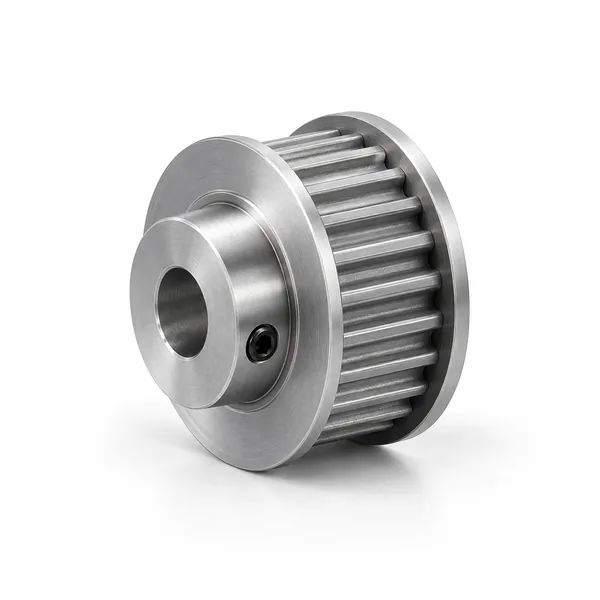
Takal Pemasaan HTD 3M-06
Takal pemasaan segerak lengkung 3M, siri 3M-06. Pilih kiraan gigi, lebar tali sawat dan antara muka aci daripada jadual katalog atau lukisan yang diluluskan.
Lihat Butiran →Takal Pemasaan HTD 3M-09
Takal pemasaan segerak lengkung 3M, siri 3M-09. Pilih kiraan gigi, lebar tali sawat dan antara muka aci daripada jadual katalog atau lukisan yang diluluskan.
Lihat Butiran →Takal Pemasaan HTD 3M-15
Takal pemasaan segerak lengkung 3M, siri 3M-15. Pilih kiraan gigi, lebar tali sawat dan antara muka aci daripada jadual katalog atau lukisan yang diluluskan.
Lihat Butiran →Semakan Permohonan dan Tugas 3M
Keluarga takal segerak padat untuk pemacu automasi dan penentuan kedudukan kecil. Kesesuaian masih bergantung pada kuasa atau tork, kelajuan, jarak pusat, kitaran tugas, pembinaan tali sawat, persekitaran dan sokongan aci. Untuk pemacu baharu, sertakan nilai tersebut dalam RFQ. Untuk penggantian, hantarkan penandaan dan ukuran tali sawat lama dan bukannya menganggap bahawa setiap profil lengkung 3M boleh ditukar ganti.
Semakan Keserasian dan Pengukuran
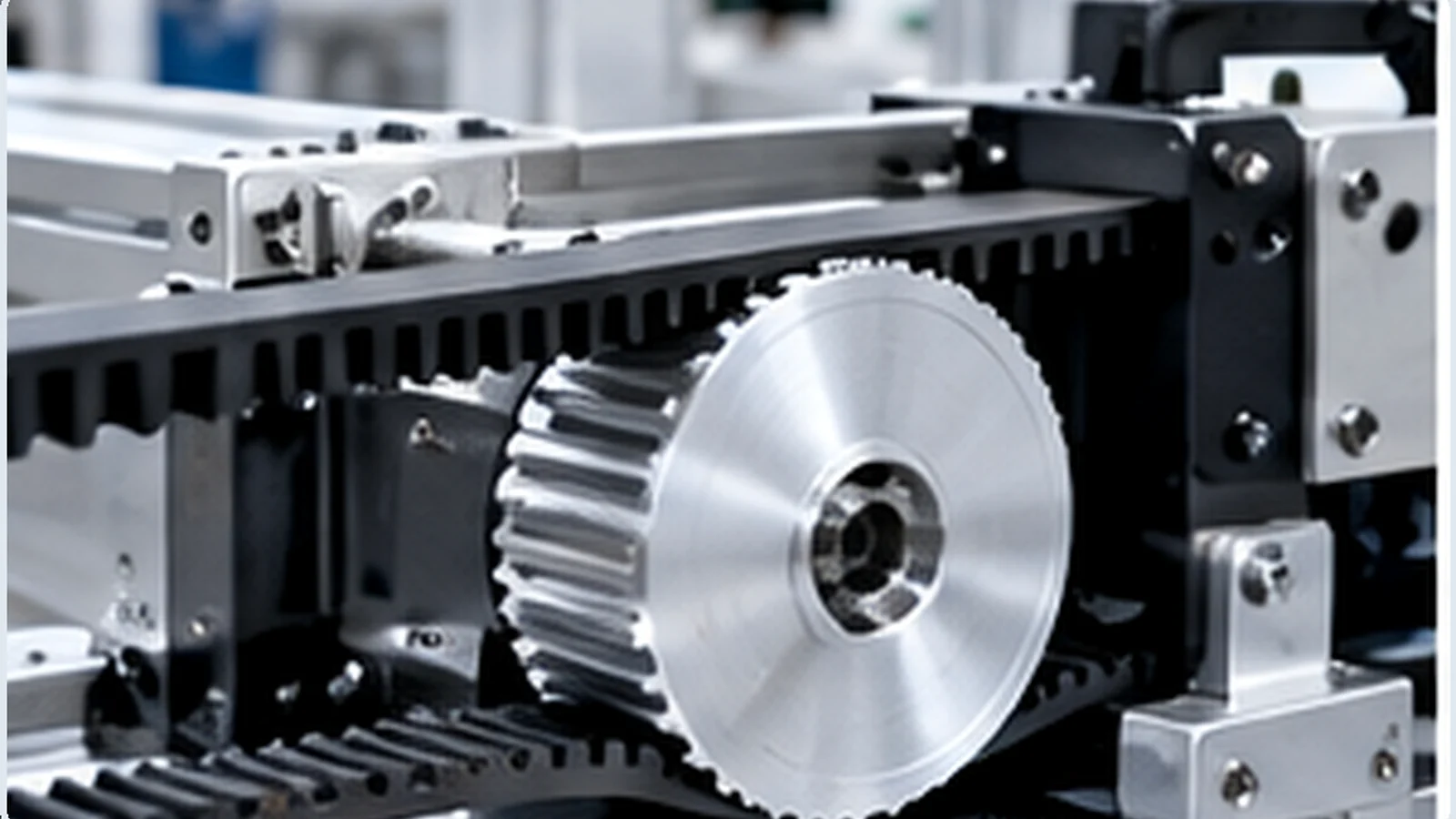
Sebelum membuat pesanan, sahkan sistem gigi, kiraan gigi, lebar kerja, lubang/semak, unjuran hab, susunan bebibir dan lokasi garisan tali sawat. Catatkan sebarang kesesuaian kritikal atau keperluan larian keluar pada lukisan. Untuk projek penggantian, periksa takal sedia ada untuk haus yang boleh memesongkan ukuran dan semak sama ada susunan aci atau spacer telah diubah suai.
Panduan Kejuruteraan Berkaitan
Gunakan Panduan pemilihan takal HTD untuk urutan keputusan yang lengkap, lihat padanan tali pinggang dan takal apabila kod tali pinggang diketahui, dan semak semula halaman aplikasi untuk pemeriksaan khusus mesin.
Soalan Lazim Takal Pemasaan HTD 3M
Maklumat apa yang diperlukan untuk sebut harga?
Hantarkan tali sawat/profil, gigi, lebar tali sawat, butiran aci atau bush, kuantiti dan destinasi. Sertakan lukisan untuk keperluan hab, bebibir, bahan, kemasan atau pemeriksaan yang tidak standard.
Bolehkah takal lama dirujuk silang daripada foto?
Foto membantu mengenal pasti pembinaan, tetapi dimensi dan tanda tali pinggang kawin diperlukan sebelum penggantian dapat disahkan.
Adakah semua takal dengan pic nominal yang sama boleh ditukar ganti?
Tidak. Sahkan keluarga gigi dan antara muka mekanikal yang tepat. Pitch nominal sahaja tidak mencukupi untuk keputusan penggantian.
Sebelum Memesan Takal 3M
Pastikan keluarga tali pinggang 3M, siri lebar dan kiraan gigi bersama-sama apabila membandingkan baris produk. Komponen padat memberi sedikit ruang untuk andaian hab atau bebibir yang salah, jadi pertanyaan penggantian juga harus merangkumi antara muka aci dan gambar dari kedua-dua permukaan.
Jika baris katalog tidak menentukan toleransi lubang siap, laluan kunci atau projek yang diperlukan oleh mesin, letakkan keperluan tersebut pada RFQ atau lukisan. Ini mengekalkan geometri gigi standard sambil menjadikan antara muka khusus mesin jelas.
Cara Membaca Keluarga 3M
Kategori 3M di laman web ini mengumpulkan 3M-06, 3M-09 dan 3M-15. Ini adalah siri lebar kerja dalam keluarga pic HTD 3M yang sama. Setiap halaman siri mengandungi baris kiraan gigi yang tersedia daripada katalog yang dipilih. Kiraan gigi mengubah diameter pic dan mungkin mengubah jenis badan, bebibir, hab atau butiran bahan, jadi baris individu—bukan foto keluarga generik—mengawal konfigurasi yang disusun.
Keluarga ini biasanya dipertimbangkan dalam diameter takal padat dan antara muka aci yang lebih kecil. Huraian itu adalah konteks aplikasi, bukan penarafan beban universal. Kesesuaian pemacu baharu masih bergantung pada kelajuan, tork atau kuasa, jarak pusat, kitaran tugas, persekitaran, pembinaan tali sawat, penjajaran dan sokongan aci.
Urutan Pemilihan untuk 3M
- Sahkan HTD 3M pada tali pinggang. Jangan gantikan keluarga gigi yang lain kerana pic nominalnya kedengaran serupa.
- Pilih siri lebar kerja. Padankan lebar tali sawat dan sampul mesin sebelum membandingkan baris kiraan gigi.
- Pilih bilangan gigi. Gunakan nisbah dan geometri jarak pusat yang diperlukan, kemudian periksa diameter dan kelegaan fizikal.
- Selesaikan antara muka aci. Sahkan pembinaan lubang lurus atau semak tirus yang disokong, butiran lubang/semak, unjuran hab dan susunan bebibir.
- Lepaskan baris atau lukisan yang tepat. Tambahkan keperluan bahan, kemasan atau pemeriksaan hanya jika projek mengawalnya.
Pemeriksaan Penggantian untuk Takal 3M
Sebelum menanggalkan takal sedia ada, ambil gambar tanda tali sawat, kedua-dua permukaan takal, orientasi hab dan garisan tali sawat. Kira gigi secara langsung jika praktikal, catatkan lebar permukaan kerja dan ukur antara muka aci dan keseluruhan sampul paksi. Diameter luar sahaja tidak mencukupi untuk mengenal pasti keluarga kerana sistem gigi dan jenis pembinaan yang berbeza boleh bertindih dalam saiz ketara.
Jika baris katalog ditemui, bandingkan semua medan kritikal pemasangan, bukan hanya kiraan gigi. Kedudukan hab, susunan bebibir dan lubang atau semak yang tersedia boleh menentukan sama ada geometri sisi tali sawat yang serasi secara mekanikal akan benar-benar dipasang pada mesin.
Data RFQ untuk Keluarga 3M
Hantarkan penandaan tali sawat lengkap atau identiti HTD 3M yang disahkan, lebar siri, kiraan gigi, keperluan lubang lurus atau semak tirus, data aci, kuantiti dan destinasi. Tambahkan lukisan untuk hab, bebibir, lubang, laluan kunci, kemasan atau ciri pemeriksaan terkawal yang tidak standard. Jika bahagian lama tidak diketahui, hantarkan foto dan ukuran yang jelas dan bukannya memberikan kod produk anggaran.
Ulasan Khusus Keluarga untuk HTD 3M
Dalam julat HTD 3M, diameter takal yang kecil menjadikan pengenalpastian tali sawat yang tepat dan pengukuran ruang aci amat penting. Perbezaan hab atau bebibir beberapa milimeter boleh menggunakan sebahagian besar sampul surat yang tersedia.
Apabila membandingkan penggantian, catatkan garisan tali sawat relatif kepada datum mesin tetap. Takal yang sepadan dengan kiraan gigi dan diameter aci masih boleh menggerakkan tali sawat jika unjuran hab atau susunan bebibir berbeza. Jika baris katalog tidak padan tepat, hantar dimensi sedia ada dan gunakan semakan tersuai yang dikawal lukisan dan bukannya memesin bahagian standard tanpa menyemak keperluan dinding, hab dan penjajaran yang tinggal.
Untuk pembelian, pastikan model, bilangan gigi, definisi pemasangan dan kuantiti pada setiap baris. Ini membolehkan penggabungan beberapa model dalam satu pesanan tanpa kehilangan identiti teknikal mana-mana item.